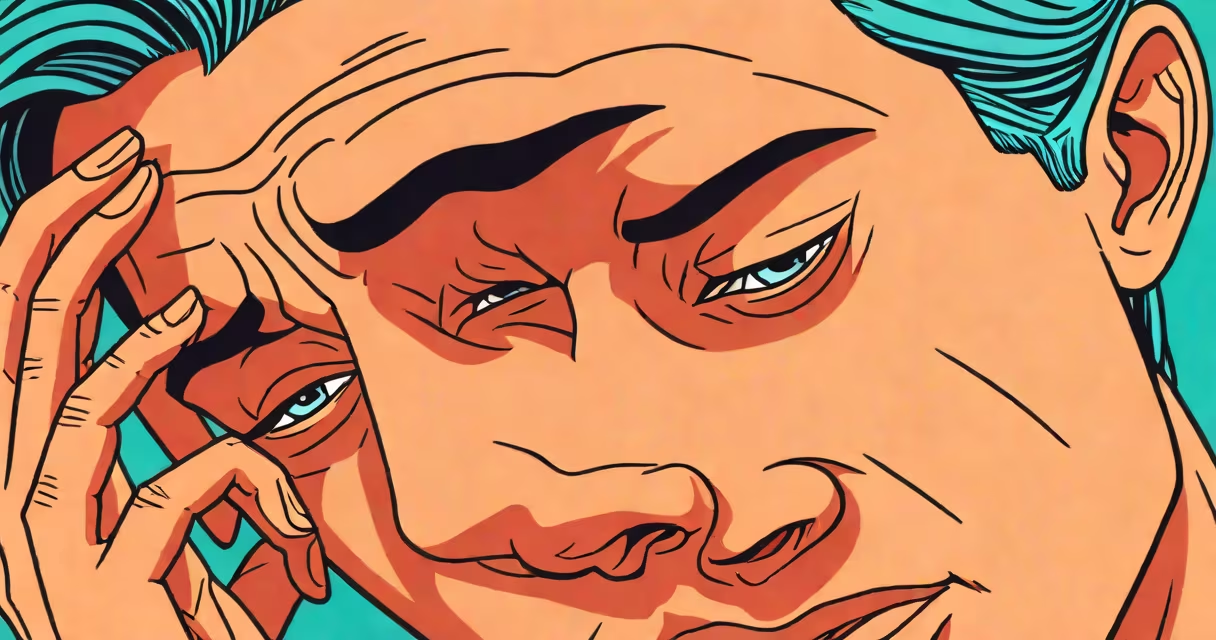
Head tenderness refers to pain or discomfort when pressure is applied to the scalp, skull, or around the temples. It often signals localized inflammation, nerve irritation, or muscular tension rather than a brain issue. The sensation may come and go or persist during daily activities.
Unlike migraines or sinus headaches, which involve deeper, throbbing pain, head tenderness typically feels sharp, localized, or sensitive to touch. It's not a standalone diagnosis but a symptom of underlying conditions ranging from minor trauma to neurological disorders. Recognizing the cause helps determine whether self-care suffices or medical evaluation is needed.
The scalp contains dense networks of nerves, blood vessels, and connective tissue. When irritated, these structures send pain signals to the brain, creating the sensation of tenderness. Pressure on the skin or underlying muscles activates nociceptors-pain receptors-triggering localized discomfort.
Conditions affecting nearby tissues contribute. For example, tension in the neck and scalp muscles can refer pain to the head. Scalp infections, such as folliculitis or cellulitis, cause redness, swelling, and tenderness. Nerve compression, like from occipital neuralgia, results in sharp, shooting pain along the back of the head.
A 2021 study published in Neurology found that 14% of patients reporting head tenderness had undiagnosed peripheral nerve entrapment. This highlights that even mild touch sensitivity may indicate nerve involvement, not just muscle strain.
Head tenderness falls into several categories based on origin. The most frequent causes include mechanical stress, inflammatory conditions, and neurological issues.
| Type | Key Features | Typical Triggers |
|---|---|---|
| Muscle tension | Pain worsens with touch; often bilateral; associated with jaw clenching | Stress, poor posture, prolonged screen time |
| Nerve-related | Sharp, electric-like pain; follows nerve path; may radiate | Pinched nerves, prior injury, diabetes |
| Infection or inflammation | Redness, warmth, swelling; may have pus or crusts | Bacterial/fungal scalp infection, autoimmune flare-ups |
| Post-traumatic | Localized soreness after bump or impact; may worsen over 24-48 hours | Head injury, tight hairstyles, hair extensions |
One non-obvious distinction: scalp tenderness from tension is usually diffuse and improves with relaxation techniques. In contrast, neural pain tends to follow a specific pattern-such as pain along the side of the head from trigeminal nerve irritation-and doesn't resolve with rest alone.
Many assume head tenderness stems from stress or fatigue. While tension is common, persistent or worsening tenderness warrants attention. A single incident-like wearing tight headphones or pulling hair into a ponytail-can cause temporary sensitivity. But ongoing discomfort suggests a different root.
For example, a 38-year-old woman reported daily scalp tenderness after starting a new medication. She experienced no headache, but touching her scalp caused sharp pain. Blood tests revealed elevated inflammatory markers. After switching medications under her doctor's guidance, symptoms resolved within two weeks. This illustrates that systemic factors-not just mental strain-can manifest physically.
Another key point: head tenderness rarely indicates brain tumors. According to the American Brain Tumor Association, scalp sensitivity is not a typical early sign. If tenderness is accompanied by vision changes, weakness, confusion, or worsening neurological symptoms, immediate evaluation is essential.
If tenderness lasts more than a week, spreads, or interferes with sleep or concentration, consult a healthcare provider. Start with a primary care physician or neurologist. They may perform a physical exam, assess reflexes, and check for signs of infection or nerve compression.
Diagnostic tools like MRI or CT scans are not routine unless red flags appear-such as sudden onset, asymmetry, or neurological deficits. Most cases of head tenderness resolve with lifestyle adjustments or targeted treatment.
Simple steps include avoiding tight hairstyles, reducing screen time, managing stress through mindfulness, and using gentle shampoos. Over-the-counter pain relievers like ibuprofen may ease mild discomfort, but they don't address the root cause.
Understanding "why is my head tender" begins with recognizing that pain is a message-not a flaw. Identifying triggers and seeking timely care ensures lasting relief.