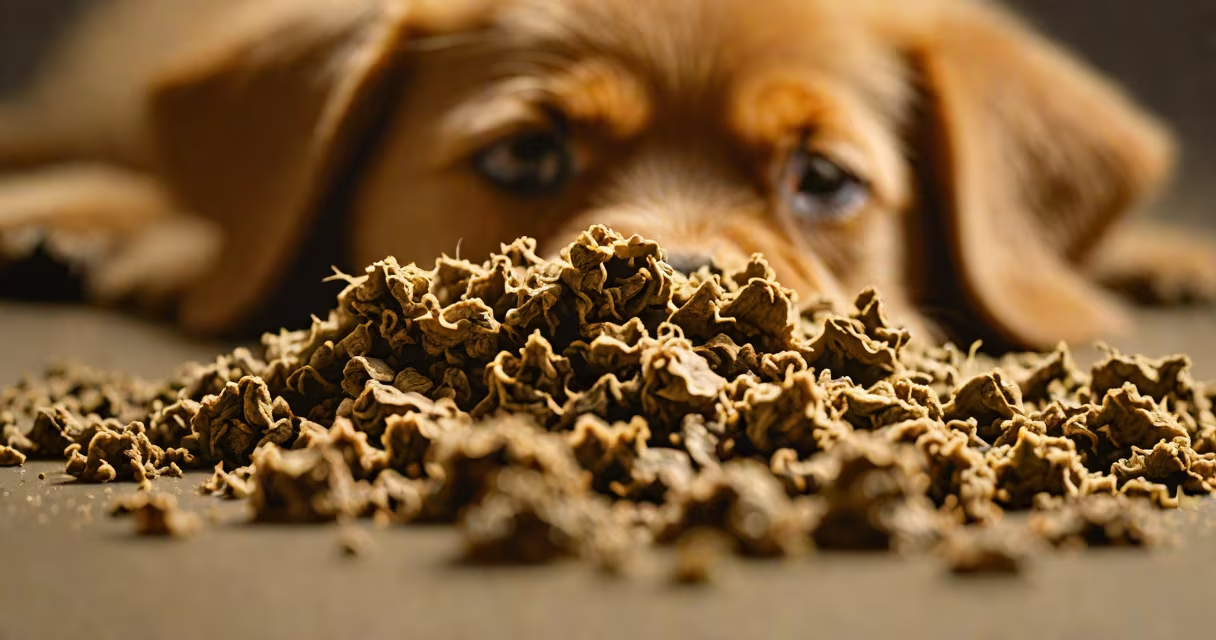
Puppy poop often emits a stronger, more unpleasant odor than adult dog feces because their immature digestive systems struggle to fully break down food, leading to increased bacterial fermentation and gas production. This results in higher levels of volatile sulfur compounds and short-chain fatty acids responsible for the foul smell.
Young puppies have underdeveloped gastrointestinal tracts. Their stomach acid pH is less acidic than adults', reducing pathogen control. Enzyme production remains low, especially proteases needed to digest protein. As a result, undigested proteins pass into the large intestine, where bacteria rapidly ferment them. This process generates hydrogen sulfide, methane, and other malodorous gases.
The American Kennel Club notes that puppies typically begin producing more consistent stools around 8 weeks of age, as their gut microbiome stabilizes. Until then, frequent soft or loose stools with intense odors are common. A study published in Frontiers in Microbiology found that young dogs harbor higher proportions of *Clostridium* and *Bacteroides* species-bacteria strongly linked to putrid stool odor-compared to older dogs.
Diet plays a major role. High-protein kibble, raw meat diets, or table scraps introduce excess nitrogen-rich material that gut microbes convert into ammonia and skatole-chemicals associated with fecal odor. A 2022 study in Journal of Animal Physiology and Animal Nutrition showed that puppies fed high-meat diets had feces with 3.6 times higher concentration of volatile organic compounds compared to those on balanced commercial formulas.
Parasites such as roundworms (*Toxocara canis*) and giardia also contribute. These organisms consume nutrients and disrupt intestinal lining, increasing mucus and blood in stool. The presence of blood or mucus intensifies odor. According to the Cornell University College of Veterinary Medicine, up to 40% of unweaned puppies carry intestinal parasites, many of which cause foul-smelling diarrhea.
One non-obvious factor: the mother's milk composition affects pup stool chemistry. Puppies nursing from mothers with high-fat milk produce more fatty acids in their stool. These acids resist digestion and serve as fuel for odor-producing bacteria. A 2021 study in Animal Biotechnology documented that puppies from high-lactose dams had feces with 2.8× higher levels of butyric acid-a compound known for its rancid, cheesy smell.
Not all bad smells mean illness. Understanding the difference helps avoid unnecessary vet visits.
| Odor Type | Common Cause | When to Seek Help |
|---|---|---|
| Sulfur or rotten egg | High protein fermentation, poor digestion | Consistent, with diarrhea or weight loss |
| Acidic or sour | Carbohydrate overload, yeast overgrowth | Stool is sticky, may have mucus |
| Extremely sweet or fruity | Undiagnosed diabetes, liver disease | Accompanied by excessive thirst, lethargy |
| Putrid or sewage-like | Bacterial infection, parasitic infestation | Contains visible blood, mucus, or worms |
For example, a 10-week-old Labrador puppy I once cared for had feces smelling like a sewer drain. Stool was yellow-green, runny, and contained small white specks. Fecal flotation revealed *Giardia lamblia*. After treatment with metronidazole and a switch to a low-fat, grain-free diet, odor normalized within five days.
While mild odor is typical in young pups, persistent foulness with changes in consistency, frequency, or behavior indicates a problem. The ASPCA advises seeking veterinary care if a puppy shows signs of dehydration, fever, vomiting, or loss of appetite alongside bad-smelling stools.
One red flag is a sudden shift from mildly smelly to extremely offensive stool. This can indicate a change in gut flora due to antibiotics, dietary changes, or infection. A 2023 report from the Journal of Veterinary Internal Medicine found that 17% of puppies presenting with acute diarrhea had underlying conditions like exocrine pancreatic insufficiency or inflammatory bowel disease-both marked by severe odor.
Another misconception: some owners believe "natural" means safe. Raw diets, while popular, increase risk of Salmonella and E. coli contamination. A 2021 CDC report found that 28% of raw-fed puppies tested positive for antibiotic-resistant pathogens in feces. These bacteria produce toxins and volatile compounds that amplify odor and pose health risks to humans.
Proper diet is the most effective tool. Choose a puppy food with moderate protein (22-28%) and digestible carbohydrates like sweet potatoes or barley. Avoid foods with unnamed animal meals, artificial preservatives, or excessive fat.
Probiotics can help balance gut flora. A 2020 double-blind trial in Veterinary Record showed that puppies given *Lactobacillus rhamnosus* GG for four weeks had a 44% reduction in fecal odor intensity compared to placebo. Look for products labeled with specific strains and CFU counts (colony-forming units).
Regular cleaning prevents odor buildup. Use enzymatic cleaners-such as Nature's Miracle or B'laster-on floors and bedding. These break down organic matter at the molecular level, unlike bleach or ammonia, which only mask odor.
While puppy poop will always carry a noticeable scent due to biological processes, extreme or worsening odor signals a need for attention. Monitoring changes in smell, color, and consistency helps catch health problems early. Most cases resolve with proper nutrition and hygiene-but don't ignore warning signs.