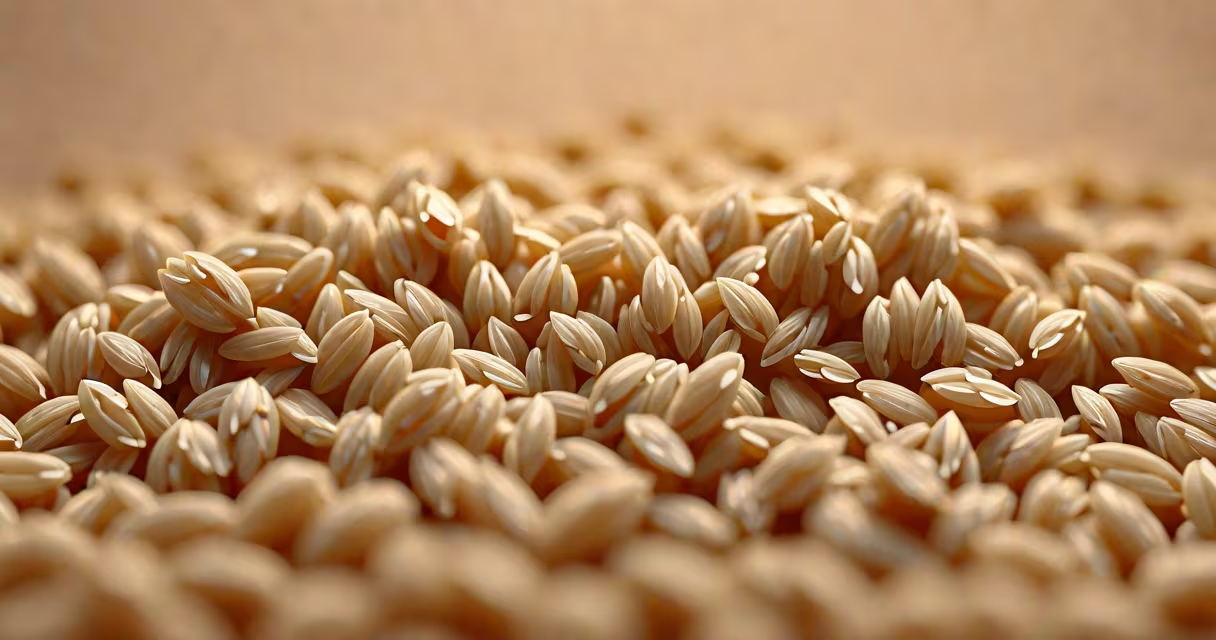
Rice gets stuck in the throat when small, hard grains aren't chewed thoroughly or are swallowed too quickly, especially when dry or undercooked. This can cause a sensation of blockage, pain, or difficulty breathing. The issue often arises during meals with sticky or dense foods like steamed rice, particularly when eaten in large bites.
The pharynx-the part of the throat behind the mouth and nasal cavity-must coordinate muscle contractions to move food safely into the esophagus. When rice particles are too large or irregular, they can lodge in narrow areas like the valleculae or piriform sinuses. These spots are natural folds where food can catch, especially if the swallow reflex is delayed or incomplete.
People with reduced saliva production, weakened swallowing muscles, or neurological conditions affecting motor control are more likely to experience this. A 2021 study in the Journal of Neurogastroenterology and Motility found that 68% of patients reporting food impaction had prior history of dysphagia (swallowing difficulty), often undiagnosed until a serious event occurred.
Swallowing involves a sequence of coordinated movements: the tongue pushes food to the back of the mouth, the epiglottis closes off the airway, and the upper esophageal sphincter relaxes to allow passage. If any step fails-due to poor chewing, distraction, or physical limitations-food can enter the wrong path or get trapped.
Rice grains, especially uncooked or partially cooked ones, have sharp edges and low moisture content. They don't compress easily and can slide into crevices. A single grain of long-grain rice measures about 5-7 mm in length and 1-2 mm in width-large enough to trigger a gag reflex or obstruct airflow if improperly positioned.
When rice gets stuck, the body responds with coughing, choking, or a persistent urge to clear the throat. In severe cases, the airway may close completely, leading to cyanosis (bluish skin) or loss of consciousness. According to the American Academy of Otolaryngology-Head and Neck Surgery, foreign body aspiration accounts for nearly 10% of emergency department visits related to food-related obstructions.
Not all rice behaves the same way when swallowed. The risk varies based on grain size, texture, and preparation method.
| Type | Size & Shape | Risk Level | Notes |
|---|---|---|---|
| White long-grain | Long, thin, rigid | High | Common in fried rice; prone to lodging in narrow passages. |
| Basmati | Slender, elongated | High | Often undercooked; can remain firm and jagged. |
| Sushi rice | Short, sticky, moist | Medium | Less likely to get stuck but can clump and form larger masses. |
| Wild rice | Long, fibrous, brittle | Very high | Breaks into sharp fragments; difficult to pass through soft tissue. |
Wild rice poses the highest risk due to its fibrous structure and tendency to splinter. A 2019 case report in Case Reports in Otolaryngology described a patient who developed a perforation in the hypopharynx after swallowing a single wild rice grain while eating a salad.
Many assume that only large or tough foods like meat or bones cause blockages. But small, hard objects like rice, popcorn kernels, or sunflower seeds are responsible for over 40% of reported impactions in adults, according to the National Institute of Health's Food Safety and Allergy Database.
Another myth is that drinking water will always dislodge stuck food. While liquids help move soft food, they do nothing for solid, non-compressible items. In fact, forcing fluids can worsen the situation by pushing the object deeper or triggering vomiting, which increases aspiration risk.
A non-obvious fact: rice doesn't dissolve in saliva. Unlike bread or jelly, which soften and break down, rice retains structural integrity. A single grain can remain unchanged for hours, irritating mucosal tissue and potentially causing inflammation or minor ulceration if left undisturbed.
In 2022, a 67-year-old man with Parkinson's disease reported a sensation of something "sticking" in his throat after eating a bowl of cold rice. He tried drinking water and swallowing repeatedly but felt no relief. By the time he arrived at the ER, he was unable to speak and showed signs of respiratory distress.
An endoscopy revealed a single piece of uncooked basmati rice lodged in the right piriform sinus. The grain was 6 mm long and had caused localized swelling. After removal using forceps, the patient recovered fully within 24 hours. His doctors noted that poor oral motor control and lack of chewing were key contributing factors.
This case illustrates that even a single grain can lead to significant complications when the swallowing mechanism is compromised.
If you feel rice stuck in your throat and cannot breathe, speak, or swallow, seek immediate medical attention. Do not attempt the Heimlich maneuver unless trained-misapplication can cause injury.
For mild cases, try swallowing small sips of thick liquid (like honey or yogurt) to lubricate the area. Avoid lying down or reclining, as gravity may hinder movement. If symptoms persist beyond 30 minutes, visit an ENT specialist or emergency room.
Prevention is key. Chew each bite of rice at least 20 times. Avoid eating while distracted-such as watching TV or using a phone. People with known swallowing disorders should consult a speech-language pathologist for exercises to strengthen pharyngeal muscles.
Understanding why rice gets stuck helps reduce anxiety and improves meal safety. It's not just about food-it's about how we eat, how our bodies respond, and when to act.
Recognizing the mechanics behind food impaction prevents unnecessary ER visits and protects against rare but serious outcomes like aspiration pneumonia or esophageal tears. Knowing the risks of rice getting stuck in your throat enables better choices at mealtimes.