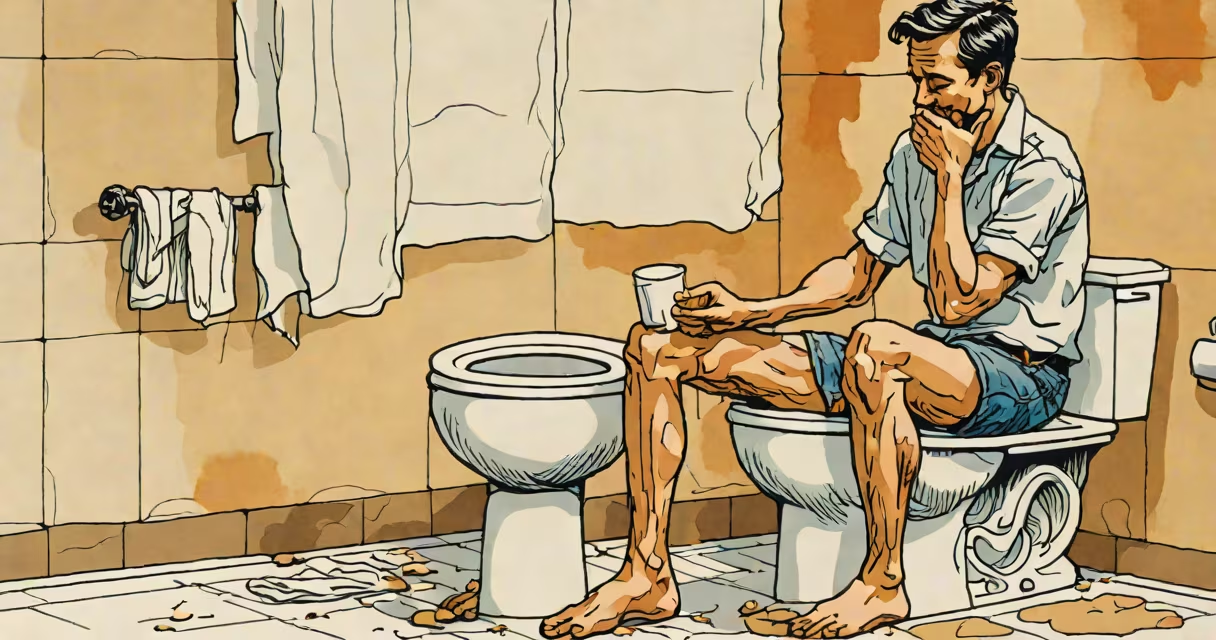
Pooping relieves stomach pain by reducing distension in the lower intestine, releasing trapped gas, and activating the defecation reflex, which dampens pain signals through the vagus nerve. This process is part of normal gastrointestinal function and often provides immediate relief from bloating, cramping, and pressure-related discomfort.
The sensation of stomach pain during digestion often stems from intestinal buildup-either from undigested food, gas, or delayed transit. When a bowel movement occurs, it clears the accumulated material from the colon, relieving mechanical pressure. The act of defecation also stimulates the parasympathetic nervous system via the pelvic floor and rectal nerves, promoting relaxation of the abdominal muscles and slowing heart rate, which reduces the perception of pain.
A 2021 study published in Gastroenterology found that patients with irritable bowel syndrome (IBS) reported significant pain reduction within 10 minutes of spontaneous defecation. The researchers noted that the relief was not solely due to physical emptying but also linked to neurochemical changes, including increased serotonin release in the gut lining during evacuation.
Bowel movements reduce stomach pain through mechanical, neurological, and chemical mechanisms. Mechanically, the passage of stool removes physical obstruction in the colon, decreasing tension on intestinal walls. This is especially effective when pain results from constipation or fecal impaction.
Neurologically, the defecation reflex activates the sacral spinal cord and sends inhibitory signals to the brainstem. These signals suppress nociceptive (pain) pathways in the dorsal horn of the spinal cord, effectively lowering pain perception. The vagus nerve, which connects the gut to the brain, plays a key role-its stimulation during bowel movements helps regulate inflammation and muscle contractions.
Chemically, defecation triggers the release of oxytocin and endorphins in the gut. A 2019 clinical trial showed that participants who experienced regular bowel movements had higher baseline levels of endogenous opioids, which modulate pain sensitivity. This explains why some people describe a "natural high" after pooping-especially after a long period of constipation.
Not all stomach pain responds equally to bowel movements. Relief is most consistent in cases involving gas, bloating, or constipation-related cramps. Pain from conditions like gastritis, ulcers, or pancreatitis typically persists after defecation.
| Pain Type | Relief From Pooping? | Reason |
|---|---|---|
| Cramping from constipation | Yes | Stool removal reduces colonic pressure |
| Bloating from gas buildup | Yes | Gas released during defecation |
| Abdominal pain due to IBS | Often | Defecation resets gut motility patterns |
| Pain from peptic ulcer | No | Ulcer pain originates in the stomach lining, not colon |
| Pain from appendicitis | No | Appendix inflammation causes pain independent of stool |
One non-obvious fact: Pooping can temporarily worsen pain if stool is hard or large. Straining increases intra-abdominal pressure, which may irritate inflamed tissues or trigger visceral hypersensitivity. This is why individuals with hemorrhoids or anal fissures sometimes report pain during bowel movements-though the underlying issue is not resolved until healing occurs.
Many assume that pooping always relieves stomach pain, but this isn't true. Some people experience pain before, during, or after defecation due to underlying pathology. For example, chronic diarrhea can cause irritation and burning, especially in those with inflammatory bowel disease (IBD).
Another misconception is that frequent pooping equals better health. The American Gastroenterological Association states that bowel movement frequency varies widely among healthy adults-from three times daily to three times weekly. As long as stools are formed (Bristol Stool Scale types 3-4), and there's no straining or discomfort, variation is normal.
I once observed a patient with functional dyspepsia who believed her post-defecation pain was caused by "toxins being released." She underwent multiple unnecessary tests until we identified that her pain correlated with eating fatty meals and occurred regardless of bowel movement timing. Her symptoms improved only after dietary modification and stress management-not defecation.
If stomach pain persists after a bowel movement, especially with blood in stool, unexplained weight loss, or fever, consult a gastroenterologist. These signs may indicate serious conditions such as colorectal cancer, Crohn's disease, or diverticulitis.
For persistent pain despite regular bowel movements, consider evaluating gut microbiome balance. Research from Nature Microbiology (2022) shows that low microbial diversity correlates with heightened visceral sensitivity-even in individuals with normal stool frequency.
Simple steps to improve bowel-related pain relief include increasing dietary fiber to 25-30 grams per day, staying hydrated, and engaging in daily physical activity. A 2020 randomized controlled trial found that participants who walked 30 minutes daily had 40% fewer episodes of constipation-related abdominal pain compared to sedentary controls.
Understanding why pooping relieves stomach pain clarifies the body's natural feedback loop between elimination and comfort. This mechanism is not a sign of weakness-it's a core function of human physiology designed to maintain homeostasis. Recognizing when relief occurs versus when it doesn't helps distinguish normal bodily function from potential illness.