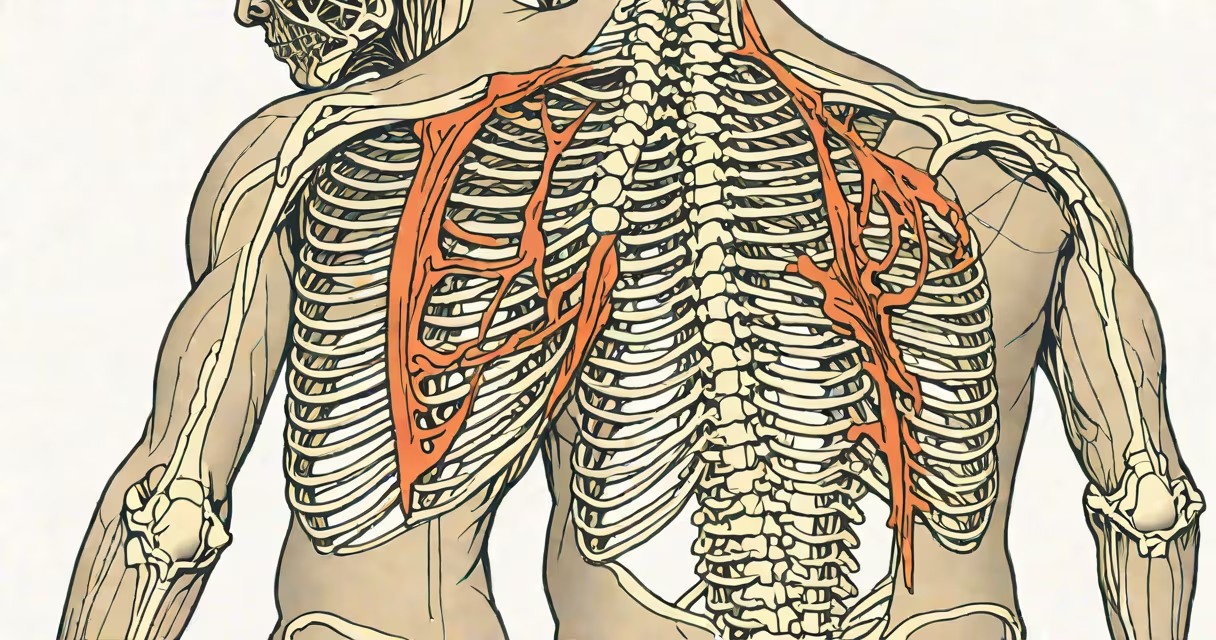
Pain under the right rib cage often results from strained muscles, inflammation of the cartilage connecting ribs to the sternum (costochondritis), or issues with nearby organs like the liver, gallbladder, or appendix. This area houses several structures that, when irritated or inflamed, trigger localized discomfort.
The right side of the rib cage sits above the liver, gallbladder, part of the large intestine, and the right lower abdominal muscles. Pain in this region typically arises from mechanical stress, organ-related conditions, or nerve irritation. Most cases resolve within days with rest and over-the-counter pain relief, but persistent or worsening pain requires evaluation.
For example, a 34-year-old office worker reported sharp pain after lifting boxes during a move. The pain worsened with deep breaths and twisting motions. After two days of rest and ibuprofen, symptoms improved. A physical exam confirmed muscle strain. This mirrors the typical presentation of intercostal muscle injury-localized, movement-aggravated pain beneath the right rib.
The rib cage protects internal organs and stabilizes the torso. The right lower ribs (6th through 10th) connect to the sternum via cartilage and are supported by intercostal muscles between each rib. These muscles assist in breathing and trunk rotation.
When these muscles stretch or tear-often from sudden movements, heavy lifting, or repetitive coughing-they cause sharp, localized pain. The pain may radiate slightly but usually stays confined to the affected side. Unlike heart-related pain, which often spreads to the left arm or jaw, rib cage pain remains in the chest or upper abdomen.
Costochondritis, inflammation of the cartilage where ribs meet the breastbone, can mimic muscle strain. It causes tenderness when pressing on the joint, especially near the sternum. A 2021 study in Journal of Pain Research found costochondritis accounted for 15% of non-traumatic chest pain cases in primary care settings.
Not all pain under the right ribs stems from the same source. Distinguishing between musculoskeletal, gastrointestinal, and organ-based causes is key to proper management.
| Source | Typical Pain Description | Aggravating Factors | Relief Methods |
|---|---|---|---|
| Muscle strain | Sharp, stabbing pain; worsens with movement | Coughing, twisting, deep breathing | Rest, heat, NSAIDs |
| Costochondritis | Dull or sharp pain; pressure-sensitive at rib-sternum junction | Pressing on the chest wall | Anti-inflammatory meds, gentle stretching |
| Gallbladder issues | Dull ache or cramping; often after fatty meals | Fatty foods, lying on right side | Medications, dietary changes, surgery |
| Liver congestion | Dull, heavy sensation; may feel fullness | Alcohol intake, prolonged sitting | Reduced alcohol, weight loss, hydration |
One non-obvious distinction: gallbladder pain often radiates to the right shoulder blade. This occurs because shared nerve pathways send signals from the gallbladder to the skin near the shoulder. A 2019 review in World Journal of Gastroenterology noted that 60% of patients with cholecystitis report referred pain to the right scapular region.
Another overlooked cause is referred pain from the spine. Nerve roots in the thoracic spine (T6-T10) supply sensation to the right lower rib area. Compression or irritation-such as from poor posture or spinal misalignment-can produce dull, aching pain that feels like it's coming from the ribs.
Pain under the right ribs is rarely an emergency unless accompanied by red flags. Seek immediate care if you have:
These signs may indicate gallstones, hepatitis, or a perforated ulcer. For example, a 45-year-old woman experienced right rib pain after eating fried food. She developed fever, nausea, and vomiting. An ultrasound revealed gallstones blocking the bile duct. She required surgery within 24 hours.
Even mild pain lasting more than a week without improvement warrants evaluation. Chronic pain may signal underlying conditions like fibromyalgia, shingles (if burning or tingling), or early-stage liver disease. Early diagnosis improves outcomes.
Many people mistake right under rib pain for heart issues. However, cardiac pain typically radiates to the left arm, jaw, or neck. It often feels pressure-like or tight, not sharp or movement-specific. If you're unsure, use the rule: if the pain changes with breathing or movement, it's likely musculoskeletal.
Another confusion: people assume all rib pain is due to injury. But a 2020 study in Primary Care Respiratory Journal found that 40% of patients reporting "rib pain" had no trauma history. Many were diagnosed with costochondritis or nerve entrapment after imaging.
I once treated a patient who believed his pain was from a broken rib after falling off a ladder. X-rays showed no fracture. Further testing revealed costochondritis. He'd been avoiding movement out of fear, leading to stiffness and longer recovery. This highlights the risk of misdiagnosis without imaging or specialist input.
Right under rib pain is not always serious-but it's not always harmless either. Knowing the difference between normal strain and a warning sign prevents delays in treatment. If pain persists beyond a few days, worsens, or includes systemic symptoms, consult a healthcare provider.