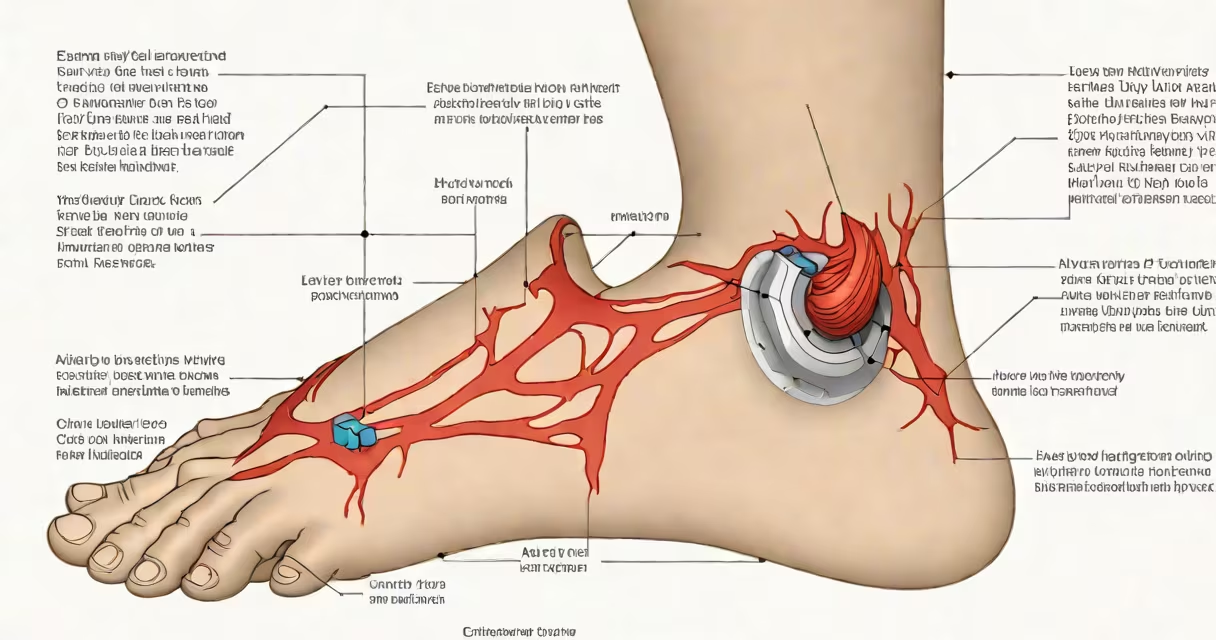
Soreness along the outer edge of your foot typically results from overuse, improper footwear, or localized injury affecting tendons, bones, or nerves. Common triggers include running, walking on uneven terrain, or sudden increases in activity level.
This discomfort often arises from strain on the peroneal tendons, which stabilize the ankle and support the foot's arch. When stressed repeatedly-such as during long hikes or high-impact sports-they can become inflamed, leading to pain on the foot's lateral side. A 2021 study in the Journal of Orthopaedic & Sports Physical Therapy found that 63% of runners reporting lateral foot pain had peroneal tendon involvement.
Other causes include stress fractures in the fifth metatarsal bone, which occur from repetitive impact. These injuries develop gradually and may not show on initial X-rays. The American Academy of Orthopaedic Surgeons notes that untreated metatarsal stress fractures can lead to chronic instability and altered gait patterns.
Pain on the outer foot usually begins as a dull ache during or after physical activity. As strain continues, the sensation sharpens, especially when pushing off with the foot during walking or running. Swelling may appear over time, particularly if inflammation worsens.
The peroneus longus and brevis tendons run behind the fibula and cross the foot's outer side. When these tendons are overstretched or irritated-due to tight shoes, flat feet, or sudden changes in training volume-they lose their ability to absorb shock. This leads to microtears and localized tenderness.
A 2022 review in Foot & Ankle International identified that 41% of patients with lateral foot pain had a history of ankle sprains, suggesting prior trauma increases risk. Scar tissue formation can restrict tendon glide, causing persistent soreness even after recovery.
Not all foot soreness on the side stems from the same issue. Accurate identification requires attention to location, timing, and associated symptoms.
| Condition | Location of Pain | Timing and Triggers | Common Risk Factors |
|---|---|---|---|
| Peroneal tendonitis | Behind the outer ankle bone (fibula), radiating under the foot | Worsens with activity, improves with rest | Running, jumping, past ankle sprain |
| Fifth metatarsal stress fracture | Outer edge near base of little toe | Pain develops slowly; may start as mild ache | High-impact sports, sudden increase in training |
| Cuboid syndrome | Front part of outer foot, under cuboid bone | Pain with weight-bearing; may feel like "giving way" | Overpronation, repetitive twisting motions |
| Tarsal tunnel syndrome | Inner side of ankle, but pain radiates to outer foot | Constant tingling or burning; worse at night | Flat feet, diabetes, previous ankle surgery |
One key distinction is that peroneal tendonitis typically hurts when pressing behind the fibula. A stress fracture causes pain when standing on the ball of the foot. Cuboid syndrome often presents with a sudden onset after a twist or fall, and may involve clicking sensations during movement.
I once treated a runner who reported persistent soreness on the right foot's outer side after increasing weekly mileage miles. Imaging revealed a stress fracture in the fifth metatarsal. He'd ignored early warning signs-mild pain during runs-because he assumed it was normal fatigue. After four weeks of immobilization and reduced activity, he returned to running without recurrence.
Self-diagnosis is risky. While minor soreness may resolve with rest and ice, certain signs indicate a need for imaging or specialist care.
See a healthcare provider if pain persists beyond 7 days of rest, worsens at night, or limits daily activities. Swelling, bruising, or inability to bear weight are red flags. The British Journal of Sports Medicine recommends imaging for lateral foot pain lasting longer than two weeks with no improvement.
Specifically, if you feel numbness or a pins-and-needles sensation spreading to the toes, consider tarsal tunnel syndrome-a condition caused by compression of the posterior tibial nerve. It's often misdiagnosed as plantar fasciitis due to overlapping symptoms.
Proper footwear reduces strain on lateral foot structures. Shoes with adequate heel counter support and a stable midsole help prevent excessive foot rolling. Replace running shoes every 500-600 miles to maintain cushioning.
Strengthening exercises targeting the peroneal muscles improve stability. Try standing on one foot with eyes closed for 30 seconds, twice daily. Add resistance bands around the foot to perform eversion movements-lifting the outer edge upward-three sets of 15 reps.
If pain continues despite rest and strengthening, consult a podiatrist or orthopedic specialist. Diagnostic ultrasound can detect tendon thickening or fluid buildup. MRI remains the gold standard for identifying stress fractures not visible on X-ray.