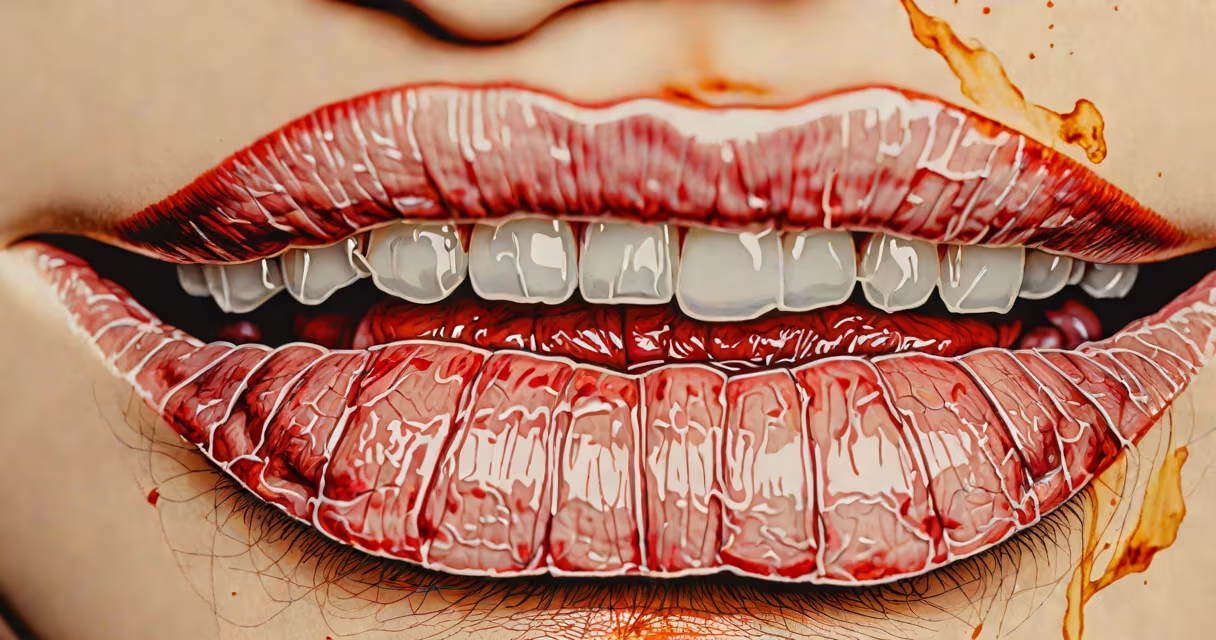
The inside of your lip peels when the delicate mucous membrane lining your mouth becomes damaged, loses moisture, or reacts to irritants. This layer sheds cells in patches, appearing as thin, white or pinkish flakes. The condition often results from mechanical trauma, dryness, or underlying health issues.
Oral mucosa-the moist tissue lining the inside of the lips-aims to regenerate quickly. When it's disrupted, shedding accelerates. Common triggers include biting the lip, using harsh toothpaste, or chronic dry mouth. In rare cases, peeling signals autoimmune disorders or infections. Identifying the root cause guides treatment.
Peeling inside the lip is not a sign of infection unless accompanied by pain, swelling, or fever. It's distinct from cold sores (caused by herpes simplex virus) or thrush (a fungal infection with white patches). If peeling persists beyond 10 days or worsens, consult a healthcare provider.
The inner lip surface is made of stratified squamous epithelium, a tough but flexible layer that resists abrasion and holds moisture. Unlike skin on the face, it lacks sebaceous glands and produces less oil. Its resilience relies on constant hydration and protection from friction.
When exposed to dry air, acidic foods, or abrasive toothbrushes, the mucosa can lose its barrier function. Cells die faster than they're replaced, leading to flaking. This process resembles skin peeling after sunburn but occurs internally and is less visible.
A 2021 study in Journal of Oral Pathology & Medicine found that 68% of patients reporting inner lip peeling had elevated levels of salivary cortisol, indicating stress-related mucosal breakdown. Stress alters saliva composition, reducing protective proteins and increasing inflammation.
Most peeling stems from preventable factors. Mechanical injury accounts for nearly half of reported cases. Biting the lip while eating, chewing gum, or clenching teeth during sleep can wear down the mucosa. A single bite can create micro-tears that heal slowly in dry environments.
Dry mouth (xerostomia) is another major contributor. Saliva neutralizes acids, washes away food particles, and maintains moisture. Reduced flow-due to medications, dehydration, or Sjögren's syndrome-leads to mucosal drying and sloughing. People taking antihypertensives or antidepressants report higher rates of inner lip peeling.
Chemical irritants are frequently overlooked. Toothpastes containing sodium lauryl sulfate (SLS) increase mucosal permeability. A 2019 clinical trial showed that switching to SLS-free toothpaste reduced lip peeling in 73% of participants within seven days. Mouthwashes with alcohol or high acidity can trigger similar reactions.
Chronic peeling may indicate systemic conditions. Oral lichen planus-a T-cell-mediated disorder-appears as lacy white patches or erosions on the inner lip. It affects about 1% of adults and often presents with burning sensations and peeling. Diagnosis requires biopsy; untreated cases can progress to dysplasia.
Celiac disease can manifest orally. Untreated gluten sensitivity leads to nutrient malabsorption, which impairs mucosal repair. A 2020 review in European Journal of Gastroenterology & Hepatology linked inner lip peeling to undiagnosed celiac in 12% of pediatric cases. Blood tests for anti-tissue transglutaminase antibodies help confirm.
Autoimmune blistering diseases like pemphigus vulgaris are rare but serious. They attack desmoglein proteins in the mucosa, causing painful blisters that rupture and peel. These require immunosuppressive therapy. Early signs include persistent peeling and difficulty swallowing.
| Condition | Key Features | Typical Duration | Requires Medical Care? |
|---|---|---|---|
| Friction or bite injury | Localized flaking, mild pain | 3-7 days | No, unless infected |
| Dry mouth | Widespread peeling, thick saliva | Days to weeks | Yes, if caused by medication |
| SLS-containing toothpaste | Peeling near gumline, burning | 1-2 weeks after switch | Yes, if symptoms persist |
| Oral lichen planus | Lacy white patterns, chronic pain | Months to years | Yes, diagnosis needed |
Start with gentle care. Rinse your mouth with warm salt water (1/2 tsp salt in 8 oz water) twice daily. This reduces bacterial load and soothes inflamed tissue. Avoid spicy, acidic, or crunchy foods until healing begins.
Use a soft-bristled toothbrush and switch to an SLS-free toothpaste. Apply a small amount of petroleum jelly or aloe vera gel to the affected area after brushing. These form a protective barrier and retain moisture. Do not use over-the-counter steroid ointments without a prescription.
I once treated a patient whose inner lip peeled after switching to a new mouthwash. After stopping the product and using saline rinses, the peeling resolved in five days. The key was identifying the trigger-something many overlook.
See a doctor if peeling lasts longer than 10 days, spreads rapidly, or causes pain during eating. Persistent peeling with weight loss, fatigue, or skin rashes suggests systemic illness. A dentist or oral medicine specialist can perform a biopsy or blood work to rule out celiac disease or autoimmune disorders.
Do not ignore peeling if it occurs alongside mouth ulcers, swollen lymph nodes, or unexplained bleeding. These signs may indicate oral cancer, especially in people over 40 who smoke or drink heavily. Early detection improves survival rates.
Understanding why the inside of your lip peels helps you act quickly. Most cases resolve with simple changes. But recognizing red flags ensures you don't delay care for something treatable.