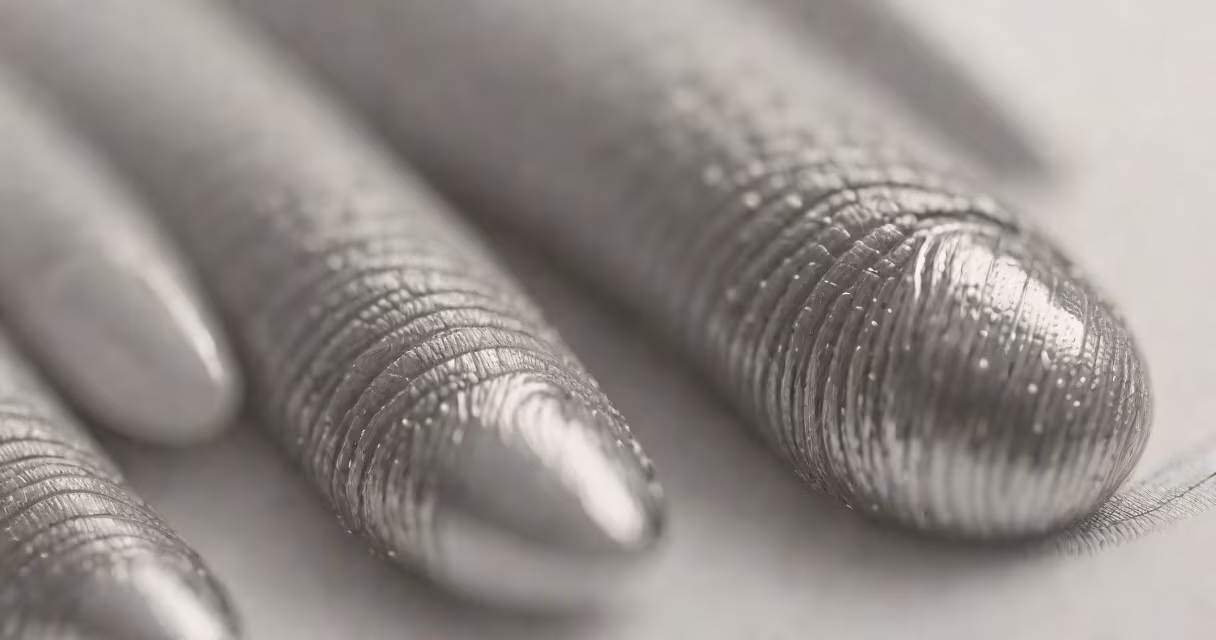
A wavy thumb nail occurs when the nail plate grows with irregular ridges or undulations, often appearing as a series of peaks and valleys along the surface. This condition can stem from injury, infection, or underlying health issues affecting nail matrix function.
The nail matrix-the tissue beneath the cuticle-is responsible for producing the nail's structure. Any disruption to this area during growth can result in abnormal shaping. The most common cause is mechanical trauma, such as jamming the finger or repetitive pressure from tools or sports equipment. A single incident can permanently alter nail growth patterns.
Fungal infections are another frequent culprit. Onychomycosis affects approximately 10% of adults in the U.S., according to the American Academy of Dermatology (AAD), and often leads to thickening, discoloration, and waviness. The fungus invades the nail bed and disrupts keratin production, causing structural deformation. Left untreated, it can spread to other nails.
Nail waviness falls under the category of longitudinal ridging, which includes several distinct forms. Not all ridges indicate the same issue. Some are benign; others signal deeper problems.
| Type | Appearance | Common Causes | Typical Treatment |
|---|---|---|---|
| Longitudinal ridges | Vertical lines running | Age, trauma, psoriasis, iron deficiency | Monitor; treat underlying cause |
| Transverse ridges (Beau's lines) | Horizontal grooves across the nail | Severe illness, chemotherapy, trauma | Resolve as nail grows out |
| Wavy or undulating nails | Peaks and valleys across the surface | Psoriatic arthritis, fungal infection, trauma | Medical evaluation required |
One non-obvious distinction: wavy nails are not always due to poor nutrition. While deficiencies in biotin, zinc, or iron can contribute to brittle or ridged nails, they rarely cause true wave patterns. A 2021 study in JAMA Dermatology found that 68% of patients with wavy nails had a confirmed diagnosis of psoriatic arthritis or onychomycosis-not nutritional deficits.
When ridges appear suddenly, especially on multiple nails, it may reflect systemic stress. For example, a severe fever or surgery can trigger Beau's lines-horizontal grooves that form when nail growth pauses. These are not wavy but are often mistaken for them. True waviness involves consistent undulation, not isolated interruptions.
Many assume a wavy nail is simply a sign of aging. While nail texture changes with time, significant waviness in younger individuals points to pathology. Age-related changes typically involve thinning or yellowing, not wave formation.
Another myth is that nail biting or picking causes waviness. While these habits damage the nail plate and increase infection risk, they don't create the uniform wave pattern seen in psoriasis or fungal disease. They may worsen existing abnormalities but aren't primary triggers.
Some people confuse wavy nails with clubbing-a condition where the fingertips enlarge and nails curve downward. Clubbing is linked to lung or heart disease and presents with a different physical signature: the nail base becomes soft and spongy, and the angle between nail and cuticle increases beyond 180 degrees. A wavy nail lacks this distortion.
I once treated a 34-year-old carpenter who reported his right thumb nail had become progressively wavy over six months. He denied trauma, but his job involved daily hammer use. Initial exam showed no signs of infection or discoloration. However, he also had joint stiffness in his hands and feet.
Further testing revealed elevated inflammatory markers and positive HLA-B27 antigen-indicative of psoriatic arthritis. A biopsy of the nail matrix confirmed psoriatic changes. After starting a biologic therapy, his nail texture improved within four months. This case illustrates that wavy nails can be early indicators of autoimmune disease, even without skin lesions.
Another patient, a 58-year-old woman, developed wavy nails after a viral illness. Her nails were thin and brittle, with no color change. Blood tests showed low serum iron and ferritin levels. She was diagnosed with iron-deficiency anemia. After iron supplementation, her nails normalized over nine months. This shows that systemic conditions can manifest in nail morphology.
Consult a dermatologist if the waviness is new, worsening, or accompanied by pain, swelling, or discoloration. Also seek care if you have other symptoms like joint pain, fatigue, or skin rashes. Early diagnosis prevents irreversible nail damage and identifies treatable conditions.
For mild cases without symptoms, monitoring is safe. But if the nail changes persist beyond three months or affect your quality of life, medical evaluation is advised. The American Academy of Dermatology recommends seeing a specialist when nail changes occur alongside systemic symptoms.
Do not attempt home remedies like vinegar soaks or essential oils unless guided by a professional. These can irritate the nail bed and delay proper treatment. Fungal infections require antifungal medication-topical or oral-and cannot be cured by natural solutions alone.
If you're unsure whether your thumb nail is normal, compare it to the opposite hand. Asymmetry often signals a localized problem. Remember: fingernails grow about 3 mm per month. A noticeable change in shape over two to three months warrants attention.