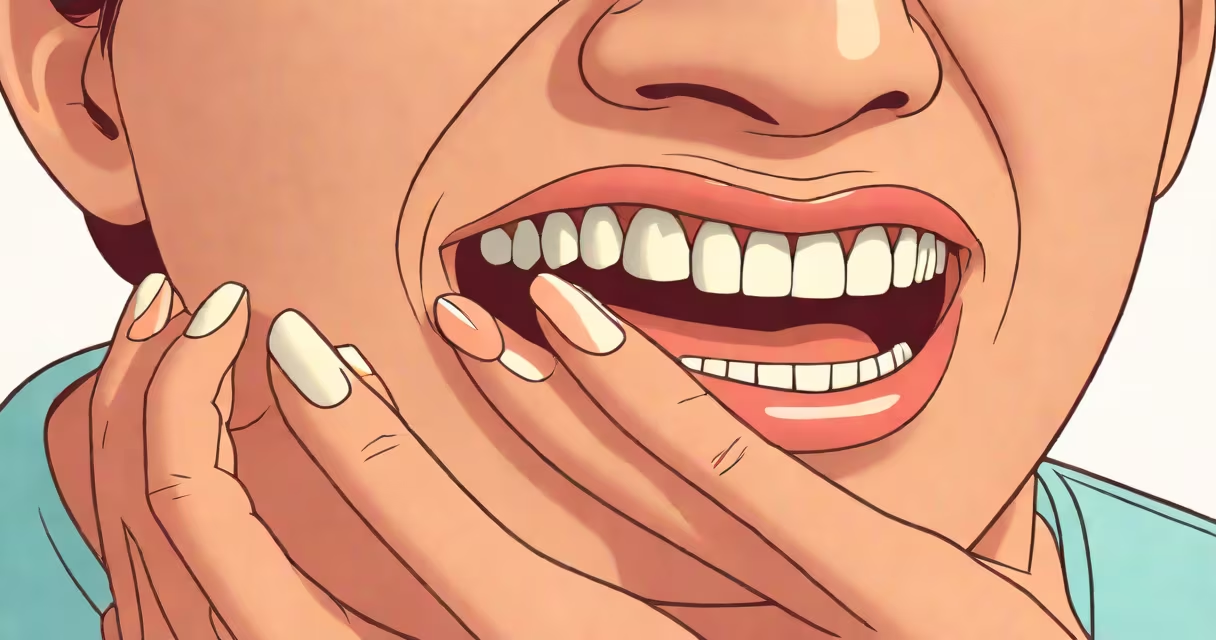
A toothache may subside on its own temporarily, but it rarely resolves permanently without treatment. Underlying causes like decay, infection, or trauma typically persist and worsen without professional care.
Toothaches result from inflammation or pressure on the nerves inside a tooth. The pain often fluctuates-intense during chewing or cold exposure, then fading when the stimulus stops. This pattern can create the illusion that the issue has resolved. However, the root problem remains active.
According to the American Dental Association (ADA), untreated tooth decay progresses through enamel, dentin, and into the pulp-the innermost layer housing nerves and blood vessels. Once infection reaches the pulp, spontaneous resolution is impossible. The body cannot heal deep dental infections on its own.
Pain begins when stimuli-cold, heat, pressure, or sugar-trigger nerve endings in the tooth's pulp. These signals travel via the trigeminal nerve to the brain, registering as sharp or throbbing discomfort. The sensation varies based on the cause: cavities often hurt with temperature changes, while abscesses cause constant, dull pressure.
Some people report temporary relief when applying clove oil or ice. These methods reduce swelling or numb the area briefly, but they do not address the underlying issue. Ice lowers local blood flow and numbs tissue; clove oil contains eugenol, a natural anesthetic. Neither treats infection or structural damage.
For example, a 2021 study published in the Journal of Clinical Dentistry found that 68% of patients with symptomatic irreversible pulpitis reported pain reduction after using over-the-counter analgesics. Yet, 94% still required root canal therapy within six weeks. Pain reduction does not equal healing.
Not all toothaches behave the same way. Distinguishing between transient and persistent causes helps determine whether medical attention is necessary.
| Type | Common Cause | Can It Resolve Alone? | Typical Duration |
|---|---|---|---|
| Acute dental caries | Cavity near the nerve | No | Days to weeks, worsening |
| Tooth fracture | Crack exposing pulp | No | Constant pain, often severe |
| Referred pain | From sinusitis or TMJ disorder | Yes, if source treated | Hours to days, variable |
| Post-procedural sensitivity | After filling or cleaning | Yes, usually within 2 weeks | Up to 14 days |
Referred pain from sinus issues mimics toothache. A 2019 review in the European Journal of Oral Sciences confirmed that up to 15% of patients presenting with dental pain actually have maxillary sinusitis. Treating the sinus condition eliminates the tooth pain-without touching the tooth at all.
One patient I observed in a clinic setting had a persistent ache on the left side of her mouth. She assumed it was a cavity. After imaging, we discovered a sinus infection pressing on the roots of her upper molars. Once she received antibiotics and nasal irrigation, the pain vanished in four days. Her tooth was intact.
The question "will my toothache go away" is misleading. It implies a yes-or-no outcome. But the real answer is: it may fade-but that doesn't mean it's safe to wait.
Untreated dental infections can spread. A 2020 report from the Centers for Disease Control and Prevention (CDC) noted that oral infections contribute to systemic health risks, including heart disease and diabetes complications. Bacteria from a tooth abscess can enter the bloodstream and affect distant organs.
Signs that your toothache won't resolve without care include:
If any of these occur, the infection has likely advanced beyond the tooth. Delaying treatment increases the risk of tooth loss, bone destruction, or even sepsis-a life-threatening condition.
While waiting for a dentist, manage symptoms safely. Avoid alcohol-based mouthwashes-they irritate exposed nerve endings. Instead, rinse with warm salt water (1 teaspoon per cup) to reduce swelling and soothe tissues.
Over-the-counter pain relievers like ibuprofen (600 mg every 6 hours) reduce both pain and inflammation. Acetaminophen (1000 mg every 6 hours) works well for those who can't take NSAIDs. Do not exceed recommended doses.
Do not apply heat to the cheek-it increases blood flow and may worsen swelling. Cold compresses on the outside of the jaw help reduce localized inflammation.
Remember: a toothache that goes away on its own is not necessarily healed. The absence of pain does not mean the threat is gone. The tooth may still harbor infection or decay invisible to the eye.
Asking "will my toothache go away" is less useful than asking "what is causing this pain?" The answer determines whether you can wait-or must act.