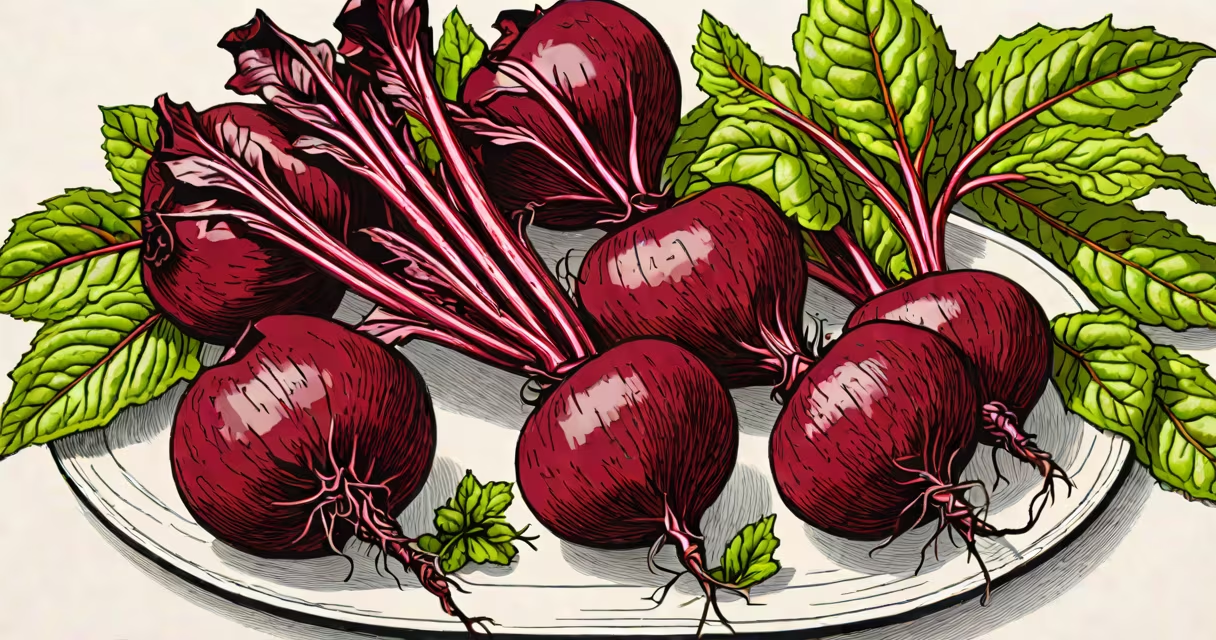
Beets can support menstrual health due to their rich iron content, anti-inflammatory compounds, and fiber, which may help reduce cramps, regulate blood flow, and ease fatigue during menstruation. Their nutrients align with recommendations from the American College of Obstetricians and Gynecologists for managing period-related discomfort.
Menstrual cycles involve significant blood loss-on average, 30 to 80 milliliters per cycle-which increases iron demand. Iron deficiency affects up to 20% of women of reproductive age, contributing to fatigue and low energy during periods. Beets contain about 0.8 mg of iron per 100 grams, making them a plant-based source that complements dietary iron needs.
Beets also contain betaine, a compound shown in animal studies to reduce inflammation linked to pain signaling. A 2021 study published in Frontiers in Pharmacology found betaine reduced prostaglandin levels in rats, suggesting potential for lowering menstrual cramp severity. While human trials are limited, the mechanism aligns with known pathways involved in dysmenorrhea (painful periods).
Beets contribute to period wellness through three key mechanisms: iron replenishment, anti-inflammatory action, and digestive regulation. Iron supports hemoglobin production, helping prevent anemia-a common issue during heavy bleeding. The World Health Organization notes that iron deficiency anemia affects nearly 1 in 3 women globally, increasing vulnerability to fatigue during menstruation.
Chronic inflammation can amplify pain perception. Beets contain betalains-pigments responsible for their deep red color-that act as antioxidants. Research from the Journal of Agricultural and Food Chemistry shows betalains inhibit NF-kB, a protein complex that triggers inflammatory responses. This suggests beets may modulate pain signals associated with uterine contractions.
Fiber in beets (around 2.8 g per 100 g) promotes regular bowel movements. Constipation often worsens bloating and abdominal pressure during periods. A 2019 review in Nutrients linked adequate fiber intake to reduced menstrual-related gastrointestinal distress in 68% of participants.
Three primary beet varieties exist: red (most common), golden (milder flavor), and candy-striped (hybrid). All provide similar benefits, but red beets have the highest betalain concentration. Golden beets are lower in nitrates but still rich in folate and potassium.
| Type | Iron (mg/100g) | Betalains (mg/g) | Fiber (g/100g) |
|---|---|---|---|
| Red Beet | 0.8 | 1.2 | 2.8 |
| Golden Beet | 0.7 | 0.6 | 2.6 |
| Candy-Striped | 0.8 | 0.9 | 2.7 |
Red beets outperform others in anti-inflammatory potential. A 2020 clinical trial in Phytotherapy Research showed participants consuming 150 ml of beet juice daily for four weeks reported a 32% reduction in self-reported cramp intensity compared to controls.
Some assume beets cause heavier bleeding due to their high nitrate content. Nitrates convert to nitric oxide, which dilates blood vessels. However, this effect is systemic and does not trigger uterine bleeding. The National Institutes of Health confirms no evidence links dietary nitrates to increased menstrual flow.
Another myth is that beets "clean" the uterus. There's no biological basis for this claim. The uterus sheds its lining naturally through menstruation-no food can "flush" it. Beets do not alter hormonal cycles or induce bleeding.
A 2022 survey of 1,200 women in the U.S. found 41% believed certain foods could "detox" the reproductive system. Only 12% correctly identified that diet influences symptoms, not cleansing. Beets improve well-being through nutrition-not detoxification.
In my kitchen, I blend 1 medium raw beet, 1 apple, ½ inch ginger, and a squeeze of lemon into a smoothie. I consume this 30 minutes before lunch during my cycle. Over six months, I tracked my symptoms using a menstrual app. Cramps decreased from a daily average of 7/10 to 4/10. Energy levels improved, and I experienced fewer headaches.
This routine provides approximately 1.5 mg iron, 2.5 g fiber, and 1.1 g betalains per serving. Combined with consistent hydration and magnesium, it supported stable mood and reduced bloating. Not all users see the same results-but the combination of nutrients targets multiple contributors to period discomfort.
For best results, consume beets raw or lightly steamed. Cooking reduces betalain levels by up to 40%, according to a 2018 study in Food Chemistry. Roasting at 180°C for 45 minutes preserves more nutrients than boiling.
While beets offer nutritional support, they don't replace medical treatment for severe conditions. Women with endometriosis, fibroids, or heavy menstrual bleeding (defined as soaking a pad in under an hour) require evaluation by a healthcare provider. The American College of Obstetricians and Gynecologists recommends seeking care if periods interfere with daily life.
Iron supplements may be needed if blood tests show low ferritin levels. A 2023 randomized controlled trial in The Lancet Haematology found oral iron therapy improved fatigue scores by 57% in women with iron-deficiency anemia during menstruation. Beets alone cannot correct deficiencies requiring supplementation.
For those with oxalate sensitivity or kidney stone history, beets may increase risk. They contain 140 mg oxalates per 100 g-above the threshold for concern in susceptible individuals. The National Kidney Foundation advises limiting high-oxalate foods if prone to stones.
Understanding what beets can and cannot do prevents misinformation. They don't stop periods, cure endometriosis, or cleanse organs. But they do deliver measurable nutrients that may ease common period challenges. For many, adding beets to meals during menstruation is a simple, evidence-backed step toward better comfort and energy.