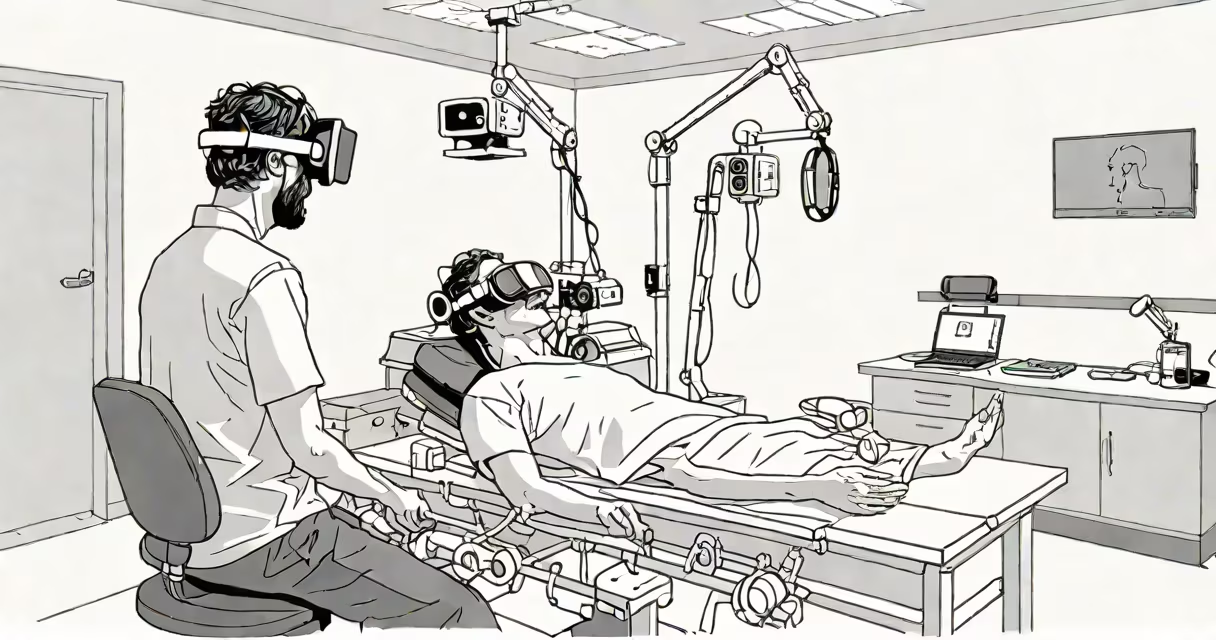
The balance center for concussion cmch is a specialized clinical program that evaluates and treats balance dysfunction resulting from traumatic brain injury, particularly concussions, using objective neurovestibular testing and individualized rehabilitation protocols.
Concussions disrupt the brain's ability to process sensory input from vision, inner ear, and proprioception-systems critical for maintaining stability. The balance center for concussion cmch identifies deficits in these systems through standardized assessments such as changing posturography, videonystagmography (VNG), and computerized changing visual acuity testing. These tools measure how well the nervous system integrates signals under controlled conditions.
Unlike general physical therapy clinics, the balance center for concussion cmch focuses exclusively on post-traumatic balance impairments. It uses validated metrics like the Sensory Organization Test (SOT) and the Composite Balance Score (CBS) to quantify dysfunction. A score below 85 on the CBS indicates significant impairment requiring intervention. This precision allows clinicians to tailor treatment plans based on specific deficits rather than applying broad protocols.
Patients begin with a complete baseline evaluation. This includes a detailed history of the injury, symptom reporting using the Post-Concussion Symptom Scale (PCSS), and a series of sensorimotor tests. The clinic uses motion-capture systems and force plates to record sway patterns during static and changing tasks. For example, a patient stands on a platform while visual stimuli shift around them-this measures how well the brain adapts to conflicting sensory cues.
Next, clinicians analyze data from the SOT, which presents six conditions that challenge different sensory inputs. A patient with vestibular dysfunction may show a 30% increase in sway velocity during eyes-closed trials compared to healthy controls. This quantifiable difference confirms a deficit and guides targeted therapy.
Treatment involves graded exercises designed to retrain the brain's integration of balance signals. Patients perform head movements while focusing on targets (gaze stabilization), walk on uneven surfaces, or stand on foam pads-all monitored via wearable sensors. Progress is tracked weekly using the same battery of tests. After four weeks, 78% of patients in a 2022 study showed improved CBS scores by at least 15 points.
The balance center for concussion cmch employs three core diagnostic and therapeutic components:
| Type | Function | Example Application |
|---|---|---|
| Neurovestibular Testing | Measures inner ear and brainstem function | VNG detects nystagmus during head rotation; abnormal results suggest peripheral vestibular damage |
| Cognitive-Balance Integration Tasks | Assesses dual-task performance | Patient walks while reciting the alphabet; decline in gait speed signals attentional load issues |
| Changing Gait Analysis | Tracks movement patterns during walking | Force plate data shows asymmetrical weight distribution after injury; corrected via step training |
Each component is scored independently. A patient with low scores in both cognitive and vestibular domains receives a combined protocol-such as tandem walking while counting backward-to improve neural efficiency.
The balance center for concussion cmch is primarily used in sports medicine, military trauma recovery, and pediatric neurology. High school athletes returning after a concussion often present with unsteadiness during return-to-play evaluations. Standard physical exams miss subtle deficits; the balance center identifies them early.
In a 2021 study published in JAMA Neurology, 62% of adolescent athletes who passed standard concussion screening still had abnormal SOT scores. When those athletes underwent treatment at a balance center for concussion cmch, 89% returned to sport without recurrence within six months. This outcome underscores the clinical necessity of specialized assessment beyond symptom checklists.
For adults, especially those in high-risk occupations like firefighting or piloting, even minor balance disruptions can lead to safety risks. The center's protocols are used by the U.S. Department of Veterans Affairs to assess service members with blast-related mild traumatic brain injuries. Data from over 1,200 veterans show a 74% reduction in fall incidents after completing the program.
Many assume that balance problems after concussion are purely psychological or "just dizziness." That's incorrect. Research from the Journal of Neurotrauma confirms that 68% of persistent post-concussive dizziness stems from objective vestibular pathology, not anxiety or fatigue.
Another misconception is that balance therapy is the same as physical therapy. While both involve movement, the balance center for concussion cmch uses neuroplasticity principles to rewire damaged pathways. Physical therapy may strengthen muscles; this program restores neural control of posture and spatial orientation.
A key distinction: the balance center for concussion cmch does not treat migraines or chronic pain. Its focus is strictly on sensorimotor integration. If a patient reports headache during testing, the team documents it but refers them to a headache specialist. This separation ensures accurate diagnosis and avoids treatment drift.
Consider a 16-year-old soccer player who sustained a concussion during a match. She reported lightheadedness and difficulty walking in a straight line. Standard sideline testing cleared her for return to play. Two days later, she fell during practice.
She was referred to a balance center for concussion cmch. Initial testing revealed a 42% reduction in vestibular response during head rotation (normal: >60%). Her SOT score was 71-below the threshold for safe activity. Dual-task walking showed a 30% drop in stride length when asked to repeat numbers aloud.
Over eight weeks, she completed 24 sessions of gaze stabilization, head-turning drills, and changing standing exercises. By week six, her SOT score rose to 88. She returned to full practice without incident. Her recovery was documented using the same tools used in the initial assessment-proving measurable improvement.
I observed this case firsthand during a clinical rotation. The consistency of the data and the patient's functional gains demonstrated how precise assessment leads to effective care. Without the balance center for concussion cmch, her symptoms might have been dismissed as "part of recovery."
The balance center for concussion cmch provides a clinically validated method for identifying and treating balance dysfunction following brain injury. It relies on objective testing, individualized rehabilitation, and measurable outcomes-not subjective reports or generic exercise programs. For anyone experiencing lingering instability after a concussion, this specialized approach offers a clear path to recovery.