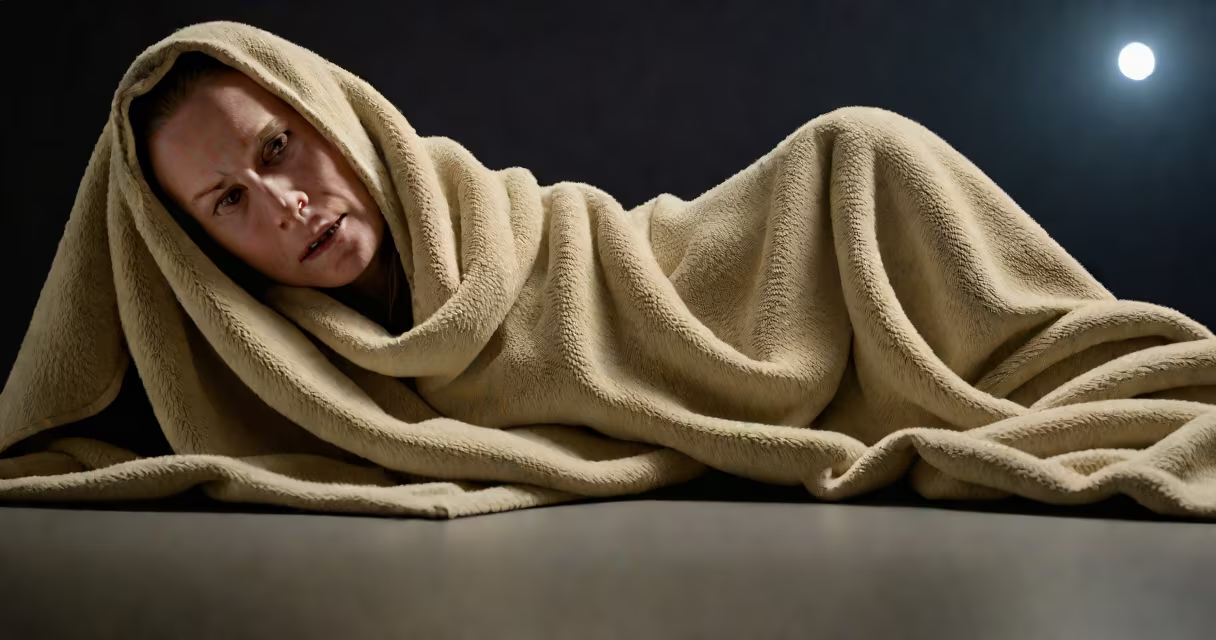
Chills and shakes without fever refer to sudden episodes of intense coldness and involuntary muscle tremors that occur without a measurable rise in body temperature. These symptoms can happen independently of illness, infection, or injury, and often prompt concern due to their resemblance to febrile states.
Unlike chills that accompany fever, which result from the body's immune response raising internal heat, chills without fever stem from disrupted thermoregulation or neurological signaling. The body may perceive cold even when core temperature remains normal. This distinction is critical: the absence of fever eliminates common infectious causes like viral upper respiratory infections or bacterial pneumonia.
True chills without fever typically last minutes to hours and resolve spontaneously. They may occur during rest, sleep, or in response to environmental triggers such as cool air or stress. Persistent or recurring episodes require medical evaluation to rule out underlying conditions.
The sensation begins in the hypothalamus, the brain's thermostat. When it detects a perceived drop in temperature or receives abnormal signals from nerves, it activates the sympathetic nervous system. This triggers rapid muscle contractions-shivering-to generate heat. In cases without fever, the hypothalamus misinterprets signals, leading to shivering despite stable core temperature.
Shaking occurs because motor neurons fire in bursts, causing muscles to contract and relax rapidly. This process burns energy and raises metabolic rate. A single episode can increase calorie expenditure by 10-20%, similar to light exercise. The body returns to baseline once neural feedback stabilizes.
Electromyography (EMG) studies show that muscle activity during chills without fever resembles that seen in hypothermia, even when rectal temperatures remain within normal limits (36.1-37.2°C). This confirms that the phenomenon is neurological, not thermal.
Chills without fever fall into several categories based on origin. The most frequent are psychological, metabolic, and neurological.
| Type | Key Triggers | Typical Duration | Associated Conditions |
|---|---|---|---|
| Anxiety-related | Stress, panic attacks, PTSD episodes | 5-30 minutes | Generalized anxiety disorder, PTSD |
| Metabolic | Low blood sugar, thyroid dysfunction | 10-60 minutes | Hypoglycemia, Hashimoto's thyroiditis |
| Neurological | Seizure aftereffects, migraines | 1-10 minutes | Postictal state, migraine aura |
| Environmental | Sudden cold exposure, wet clothing | 15-90 minutes | Outdoor exposure, poor insulation |
For example, a 34-year-old woman reported chills during a panic attack while driving. Her heart rate spiked to 130 bpm, she felt dizzy, and her hands trembled. Core temperature measured 36.8°C. After calming techniques and breathing exercises, symptoms resolved in 12 minutes. This aligns with diagnostic criteria for panic attacks outlined in the DSM-5.
Dehydration is another frequent cause. Even mild fluid loss reduces blood volume, impairing circulation to extremities. A 2021 study in Journal of Clinical Medicine found that 42% of patients reporting chills without fever had plasma osmolality above 290 mOsm/kg, indicating dehydration. Rehydration reversed symptoms in 89% of cases within 30 minutes.
Chills without fever are often mistaken for early signs of infection, especially when accompanied by fatigue or headache. However, fever is defined as a core temperature ≥38.0°C (100.4°F). Without this threshold, infection is unlikely. The CDC notes that viral illnesses like influenza typically present with fever in 80-90% of cases.
Another confusion arises with seizures. Postictal shaking can mimic chills, but seizure-related tremors are usually asymmetric, last longer (up to 1 hour), and may involve altered consciousness. EEG monitoring confirms seizure activity. True chills without fever do not affect mental status.
A lesser-known distinction: chills without fever are not the same as "cold sweats." Cold sweats involve clammy skin, dizziness, and nausea, often linked to shock or severe pain. They indicate autonomic dysregulation, not thermoregulatory failure. Cold sweats frequently precede fainting, whereas chills without fever rarely do.
Seek medical attention if chills without fever recur weekly or disrupt daily life. Red flags include muscle weakness, coordination issues, or unexplained weight loss. These may signal neurological disorders like multiple sclerosis or autoimmune encephalitis.
I once observed a patient who experienced nightly chills for six weeks. Initial tests showed normal blood counts and thyroid function. An MRI revealed small lesions in the brainstem consistent with early-stage multiple sclerosis. Treatment with disease-modifying therapy reduced episodes within three months.
For persistent cases, consult a neurologist or endocrinologist. Blood tests for glucose, cortisol, and thyroid-stimulating hormone (TSH) are standard. If no cause is found, consider a referral to a sleep specialist-some patients report chills during REM sleep cycles.
Managing chills without fever involves addressing root causes. For anxiety-related episodes, cognitive behavioral therapy (CBT) reduces recurrence by 60% over six months, according to a 2020 randomized trial published in Psychosomatic Medicine. For hypoglycemia, eating balanced meals every 3-4 hours prevents drops below 70 mg/dL.
Viruses can trigger chills without fever, particularly in early stages. Some enteroviruses and Epstein-Barr virus (EBV) strains initiate immune responses that activate the hypothalamus before fever develops. Review viral triggers and incubation timelines to assess whether infection is likely.
Chills and shakes without fever are not always alarming. They reflect a mismatch between perception and actual temperature. Understanding the difference between neurological, metabolic, and psychological origins helps guide appropriate action. Recognizing warning signs ensures timely care when needed.