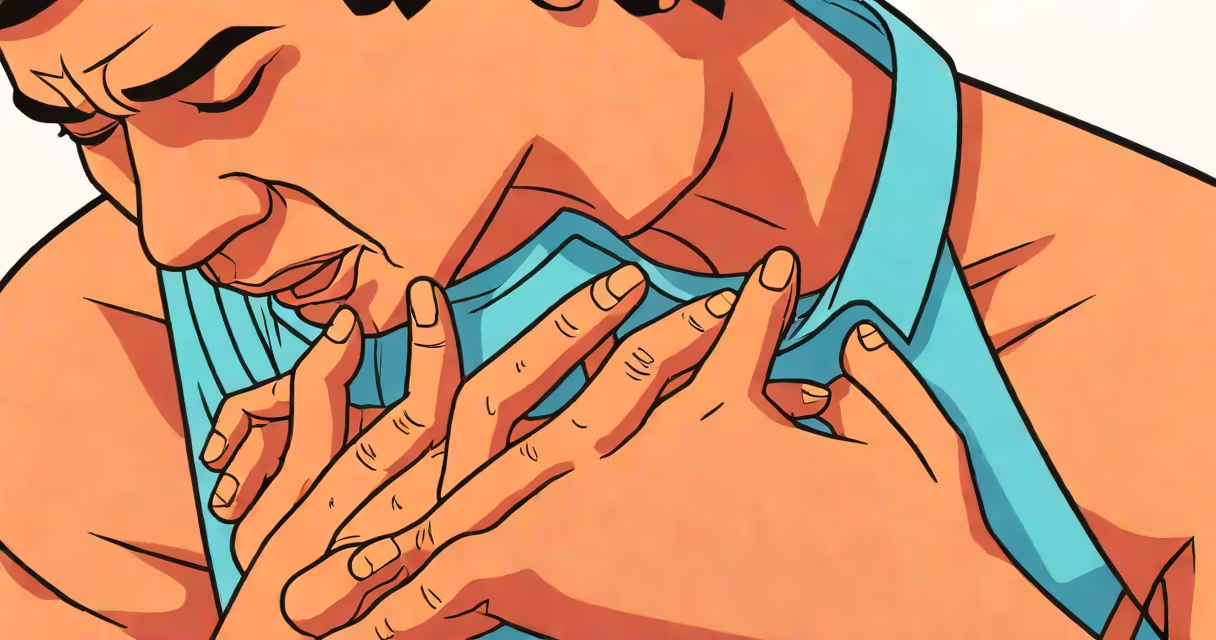
Cough so much my chest hurts refers to chest pain that develops or worsens during or after intense, frequent, or prolonged coughing episodes. The sensation typically arises from muscle strain, rib irritation, or inflammation in the airways or lungs.
This symptom is not a diagnosis but a sign of physical stress on the chest wall or respiratory system. It commonly occurs during viral infections like bronchitis or pneumonia, where coughing persists for days. Pain may feel sharp, aching, or pressure-like, often localized to the front or sides of the chest.
While usually temporary, persistent or severe pain can indicate complications such as a rib fracture, pleurisy, or pulmonary embolism. Identifying the cause requires assessing duration, intensity, and accompanying symptoms like fever, shortness of breath, or blood in phlegm.
Forceful coughing generates internal pressures up to 300 mm Hg-similar to lifting heavy weights. This pressure stresses the intercostal muscles between the ribs, the diaphragm, and the connective tissues anchoring the ribs to the sternum. Repeated strain leads to micro-tears and inflammation, resulting in localized tenderness.
When coughing lasts more than 3 days, the risk of muscle strain increases. A 2021 study in The Journal of Family Practice found that 68% of patients reporting chest pain during coughing had no serious lung pathology-most had musculoskeletal strain from prolonged coughing.
Underlying conditions can amplify the effect. Chronic bronchitis, asthma flare-ups, or post-nasal drip trigger persistent coughing cycles. In these cases, the pain isn't just from effort-it's from ongoing irritation of the airway lining, which sends pain signals to the chest wall.
Not all chest pain from coughing is the same. The nature of the pain-sharp, dull, burning, or aching-can hint at the root issue.
| Pain Type | Most Likely Cause | Key Clues |
|---|---|---|
| Sharp, localized pain | Muscle strain or costochondritis | Worsens with deep breaths or pressing on the area |
| Burning, deep ache | Referred pain from esophagus or lungs | May follow acid reflux or lung infection |
| Dull, widespread soreness | Generalized muscle fatigue | Improves with rest and heat |
| Crackling or stabbing pain | Rib fracture or pleurisy | Occurs with coughing or movement; may involve trauma history |
One non-obvious distinction: pain from coughing rarely radiates to the jaw or arm unless there's an underlying cardiac issue. True heart-related chest pain from exertion or stress doesn't typically spike with coughing. The American Heart Association notes that cough-induced chest pain is rarely cardiac in origin unless the patient has known coronary disease.
While most cases resolve within 5-7 days with rest and hydration, certain warning signs demand medical evaluation. These include:
I observed this firsthand during a winter clinic rotation: a 42-year-old man presented with chest pain after a week of hacking coughs. He reported pain when turning in bed. On exam, he had tenderness over the left 6th rib. X-ray confirmed a hairline fracture-likely from repeated forceful coughing. He was treated with analgesics and advised to avoid straining. Recovery took 3 weeks.
Another red flag: if pain worsens when lying flat. This pattern suggests pleural effusion or pneumonia. The CDC reports that 1 in 7 adults with persistent cough and chest pain require imaging to rule out pneumonia.
If you're coughing so much your chest hurts, start with rest, hydration, and over-the-counter pain relief like acetaminophen or ibuprofen. Avoid suppressing a productive cough-clearing mucus helps recovery.
Use a humidifier or steam inhalation to soothe irritated airways. Limit talking and loud noises to reduce vocal cord strain. Apply warm compresses to sore areas to ease muscle tension.
Seek medical attention if pain persists beyond a week, worsens, or is accompanied by breathing issues. Your doctor may recommend a chest X-ray or pulmonary function test to rule out pneumonia, bronchitis, or structural issues.
Understanding cough so much my chest hurts begins with recognizing it as a symptom-not a standalone condition. Most cases stem from mechanical strain or mild infection. But when pain lingers or escalates, timely assessment prevents complications.