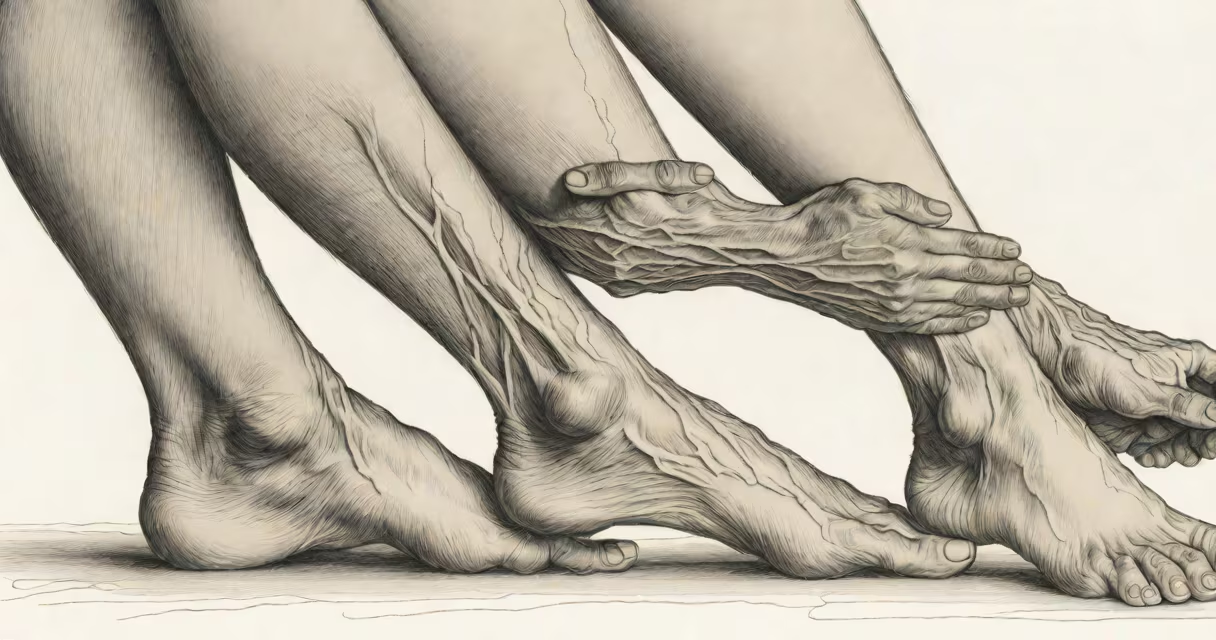
Cramps on shins of leg are involuntary, painful contractions of the tibialis anterior muscle located on the front of the lower leg. These spasms typically occur during or after physical activity, especially running or walking on hard surfaces, and resolve within seconds to minutes.
The tibialis anterior controls foot lift and stabilizes the ankle during walking and running. When fatigued, dehydrated, or under stress, it can contract uncontrollably. This muscle is highly active during gait cycles, making it vulnerable to strain. A single cramp may last 10 to 60 seconds, though repeated episodes can persist for hours.
Unlike calf cramps, which affect the posterior compartment, shin cramps involve the anterior muscles. They are often mistaken for shin splints-a condition involving inflammation of the periosteum-but differ in cause and symptom. Cramps are sharp and sudden; shin splints cause dull, persistent pain along the bone's edge.
Shin cramps result from neuromuscular misfiring. The central nervous system sends signals to muscles that trigger contraction, but when nerves fire erratically due to fatigue or electrolyte imbalance, the muscle contracts without relaxation. This is known as a myokymia or fasciculation, though full cramping involves sustained contraction.
Common triggers include prolonged standing, rapid increases in training intensity, inadequate warm-up, and poor footwear. Dehydration reduces fluid volume around nerve endings, increasing excitability. Low levels of potassium, calcium, or magnesium disrupt nerve signaling. A 2017 study in Journal of Sports Sciences found that athletes who trained without adequate electrolyte replacement reported a 43% higher incidence of exercise-related cramps.
Overuse is the most frequent cause. Runners who increase weekly mileage by more than 10% report higher rates of shin cramps. A 2021 survey of marathon participants showed 68% experienced at least one episode during training, with 22% reporting recurring issues.
Shin cramps fall into two categories: exercise-induced and nocturnal. Exercise-induced cramps occur during or shortly after exertion. Nocturnal cramps happen during sleep, often while lying flat with feet pointed downward-an anatomical position that shortens the tibialis anterior.
| Type | Onset | Duration | Common Triggers |
|---|---|---|---|
| Exercise-induced | During or after activity | 10-60 seconds | Running, jumping, sudden stops |
| Nocturnal | During sleep | 30 seconds - several minutes | Lying with toes pointing down, dehydration |
Some individuals experience cramps in both legs simultaneously. Others report unilateral episodes, usually on the dominant side. The frequency varies widely-some people have them monthly, others daily during intense training.
Cramps on shins of leg primarily affect the tibialis anterior, a long, thin muscle running from the outer side of the shinbone to the inner foot arch. It's responsible for dorsiflexion-the motion of lifting the foot upward. During running, this muscle contracts repeatedly to prevent the foot from slapping down.
High-impact activities like sprinting, basketball, or dancing place repetitive strain on this muscle. Even prolonged standing at work can trigger cramps in office employees who wear flats or high heels. A 2019 study in Physical Therapy in Sport found that 34% of retail workers reported shin cramps at least once a week, compared to 12% in sedentary office roles.
Environmental factors contribute too. Cold weather increases muscle stiffness. Running on uneven terrain forces the muscle to stabilize the foot constantly, raising fatigue risk. Poor running form-such as overstriding-also increases load on the anterior leg.
Many assume cramps stem from dehydration or low electrolytes alone. While these play a role, research shows they're not the primary driver. A 2015 review in Neurology concluded that dehydration accounts for less than 20% of exercise-associated muscle cramps. Nerve hyperexcitability is the key mechanism.
Another myth is that stretching prevents cramps. Stretching helps relieve acute pain but doesn't stop cramps from occurring. A 2020 randomized trial published in British Journal of Sports Medicine found that pre-exercise stretching reduced cramp incidence by only 7%, while post-exercise stretching offered no benefit.
Cramps are not signs of weakness or poor fitness. Elite athletes experience them regularly. I once ran a half-marathon and developed a severe shin cramp at mile 10. Despite being fit and hydrated, the muscle seized up during a downhill section. I stopped, gently stretched the area, and resumed after 90 seconds. The episode resolved completely.
Most cramps on shins of leg are benign and self-resolving. However, seek evaluation if cramps occur frequently without physical exertion, last longer than five minutes, or are accompanied by swelling, redness, or numbness. These may indicate underlying conditions such as peripheral neuropathy, vascular insufficiency, or nerve compression.
Recurrent nocturnal cramps could signal a vitamin deficiency. Low serum levels of vitamin D or B12 correlate with increased cramp frequency. A 2022 study in Journal of Clinical Neurology linked deficiencies in B12 to a 2.4-fold higher risk of leg cramps in adults over 50.
If cramps interfere with daily function or sleep, consult a healthcare provider. Diagnostic tools include electromyography (EMG) to assess nerve and muscle function, and blood tests to check electrolyte and vitamin levels.
Effective prevention focuses on neuromuscular control and hydration. Maintain consistent hydration throughout the day-not just during exercise. Consume 500 mL of water every two hours during prolonged activity. Include sodium, potassium, and magnesium in your diet through foods like bananas, spinach, and nuts.
Strengthen the tibialis anterior with targeted exercises. Perform toe raises: stand barefoot, lift toes toward the ceiling while keeping heels planted. Do 3 sets of 15 reps daily. Add resistance using a band for progression.
Warm up properly before activity. Include changing stretches like walking lunges and ankle circles. After exercise, perform static stretches: sit with legs extended, loop a towel around the ball of the foot, and gently pull toward you. Hold for 30 seconds per leg.
Wear shoes with proper arch support and cushioning. Replace running shoes every 500 miles. Avoid wearing high heels for extended periods. If you work on your feet, alternate between flat and supportive footwear.
For immediate relief during a cramp, press firmly on the contracted muscle and slowly flex the foot upward. Walking on the ball of the foot can also help release tension. Apply heat or ice depending on preference-heat relaxes tight tissue, ice reduces inflammation.