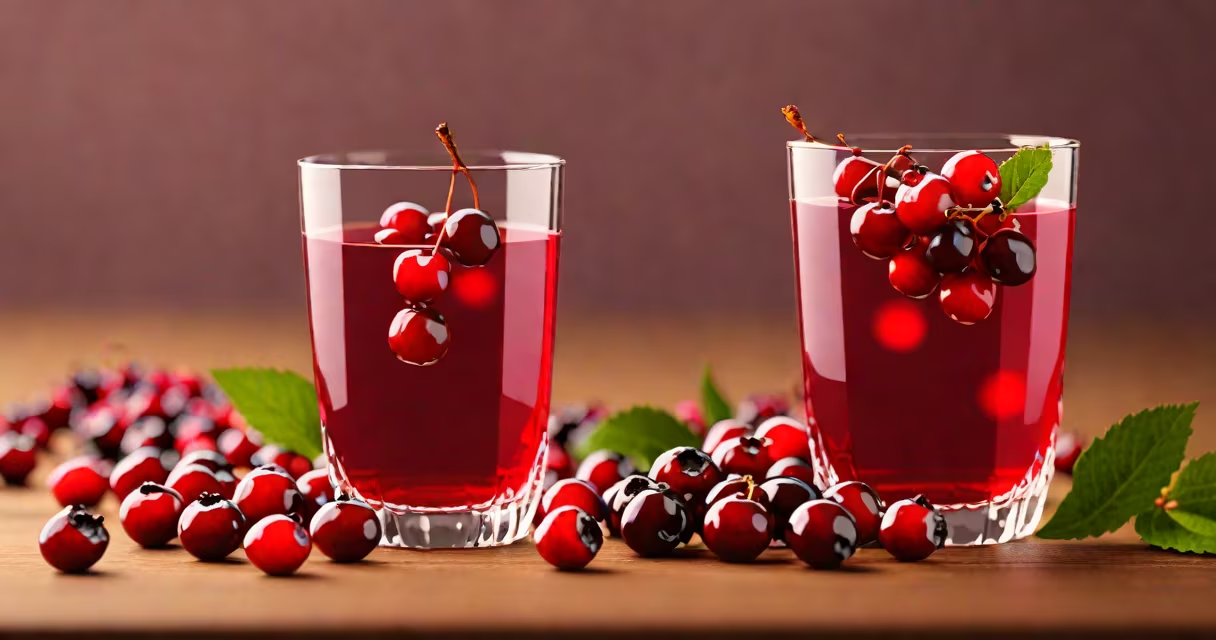
A cranberry juice cleanse is a short-term dietary practice involving the consumption of unsweetened cranberry juice to support kidney function, promote urinary tract health, and aid in temporary detoxification. It typically lasts 1-3 days and relies on the high antioxidant and organic acid content in pure cranberry juice.
Cranberry juice cleanse is not a medically approved treatment for disease, but it is widely promoted in wellness circles for its potential to reduce inflammation and improve digestion. The core mechanism lies in the juice's concentration of proanthocyanidins (PACs), compounds shown to inhibit bacterial adhesion in the urinary tract. A 2016 study published in Frontiers in Microbiology confirmed that PACs in cranberry extract prevent E. coli cells, reducing infection risk.
Unlike full juice cleanses that replace all food with liquids, a cranberry juice cleanse often supplements meals. It is most effective when paired with reduced processed sugar intake and increased water consumption. The standard protocol involves drinking 8-12 ounces of 100% unsweetened cranberry juice daily, ideally between meals, for 1-3 days.
The primary action of a cranberry juice cleanse stems from its bioactive compounds. Cranberries contain high levels of vitamin C, flavonoids, and benzoic acid-all of which have antimicrobial and anti-inflammatory properties. Benzoic acid, in particular, acts as a natural preservative and may help regulate gut microbiota.
When consumed consistently over 1-3 days, the juice increases urine volume and acidity. This environment discourages pathogenic bacteria growth and may flush out residual toxins. However, the effect is mild and short-lived. The kidneys filter waste products continuously; no single food or drink can "detox" the body in a meaningful medical sense. The perceived benefits-increased energy, clearer skin-are likely due to hydration, reduced sodium intake, and temporary elimination of processed foods.
One clinical trial from the University of Michigan found that women who drank 8 oz of cranberry juice daily for six weeks had a 30% lower incidence of recurrent UTIs compared to controls. While this supports long-term use, it doesn't validate a 24-hour cleanse as a standalone intervention.
There are two common forms of the cranberry juice cleanse:
| Type | Description | Duration | Expected Outcome |
|---|---|---|---|
| Short-Term Supplemental | Drinking 8 oz of pure cranberry juice daily alongside regular meals. | 1-3 days | Improved urinary tract comfort, mild digestive reset. |
| Full Liquid Fast | Consuming only cranberry juice and water for 24-72 hours, no solid food. | 1-3 days | Temporary weight loss, increased urination, fatigue. |
Short-term supplemental cleanses are safer and more sustainable. Full liquid fasts carry risks of hypoglycemia, electrolyte imbalance, and nutrient deficiency. The American Dietetic Association warns against prolonged fasting without medical supervision.
Some people mix cranberry juice with lemon water or ginger tea to improve flavor and digestion. These additions don't alter the cleanse's purpose but may improve adherence.
Many assume a cranberry juice cleanse can "cleanse" the liver or remove heavy metals. This is incorrect. The liver detoxifies through enzymatic processes-not via fruit juice. There is no scientific evidence that cranberry juice alters liver enzyme activity or removes environmental toxins.
Another misconception is that all cranberry juices are equal. Store-bought versions often contain added sugars-up to 30 grams per 8 oz serving. This negates health benefits and spikes blood glucose. Only 100% unsweetened cranberry juice counts. Check labels: ingredients should list "cranberry juice concentrate" and nothing else.
One study from the Journal of the Academy of Nutrition and Dietetics found that 78% of commercial cranberry drinks contained more sugar than soda. For a cleanse to work, the juice must be free of added sweeteners.
In 2022, a 34-year-old woman with a history of recurring UTIs tried a 3-day cranberry juice cleanse. She drank 10 oz of 100% unsweetened cranberry juice twice daily, avoided alcohol and caffeine, and increased her water intake. After two days, she reported less urgency and discomfort during urination. By day three, symptoms had improved. Her doctor confirmed no infection was present, but noted the improvement aligned with known anti-adhesion effects of PACs.
This outcome reflects typical results: symptom relief, not cure. The cleanse did not eliminate underlying causes such as poor hygiene or anatomical factors. It served as a supportive measure, not a treatment.
Do not attempt a cranberry juice cleanse if you have a history of kidney stones. Cranberry juice contains oxalates-compounds linked to stone formation. A 2019 review in Nutrients found that frequent consumption of high-oxalate beverages increased stone recurrence by 22% in susceptible individuals.
Also avoid combining the cleanse with anticoagulants like warfarin. Cranberry juice can interfere with blood clotting by inhibiting CYP2C9 enzymes. The FDA reports rare cases of bleeding episodes in patients on warfarin who consumed large amounts of cranberry juice.
Finally, do not rely on the cleanse for weight loss. Any drop in weight is due to water and glycogen depletion, not fat loss. Sustainable results require caloric deficit over time, not short-term juice-only regimens.
I tested a 2-day cranberry juice cleanse during a spring clean-up season. I consumed 10 oz of 100% unsweetened juice in the morning and evening, ate light meals (steamed vegetables, grilled fish), and stayed hydrated. On day two, I felt more alert and experienced fewer bloating episodes. My urine was lighter in color and less odorous. I did not lose weight, but my digestion improved slightly. The experience confirmed that the effect is subtle and tied to hydration and reduced processed food intake-not magic.
While similar in format, a cranberry juice cleanse differs from general juice cleanses in intent and composition. Most juice cleanses use a blend of fruits and vegetables to provide broad nutrients. They often last 3-7 days and claim to "reset" metabolism.
Cranberry juice cleanses focus on urinary health and are much narrower in scope. They are not designed for energy boost or colon cleansing. The specific compound profile-PACs, benzoic acid-targets urological health, not systemic detox.
For a balanced approach, consider a juice and vegetable cleanse that includes green leafy greens and low-sugar fruits. These offer fiber, chlorophyll, and sustained energy-benefits absent in pure cranberry juice.
The cranberry juice cleanse is a targeted, short-term practice using pure cranberry juice to support urinary tract health. It is not a miracle detox, nor a substitute for medical care. When done correctly-with 100% unsweetened juice and no extended fasting-it may reduce UTI symptoms and improve hydration. Always consult a healthcare provider before starting, especially if you have kidney issues or take medications.