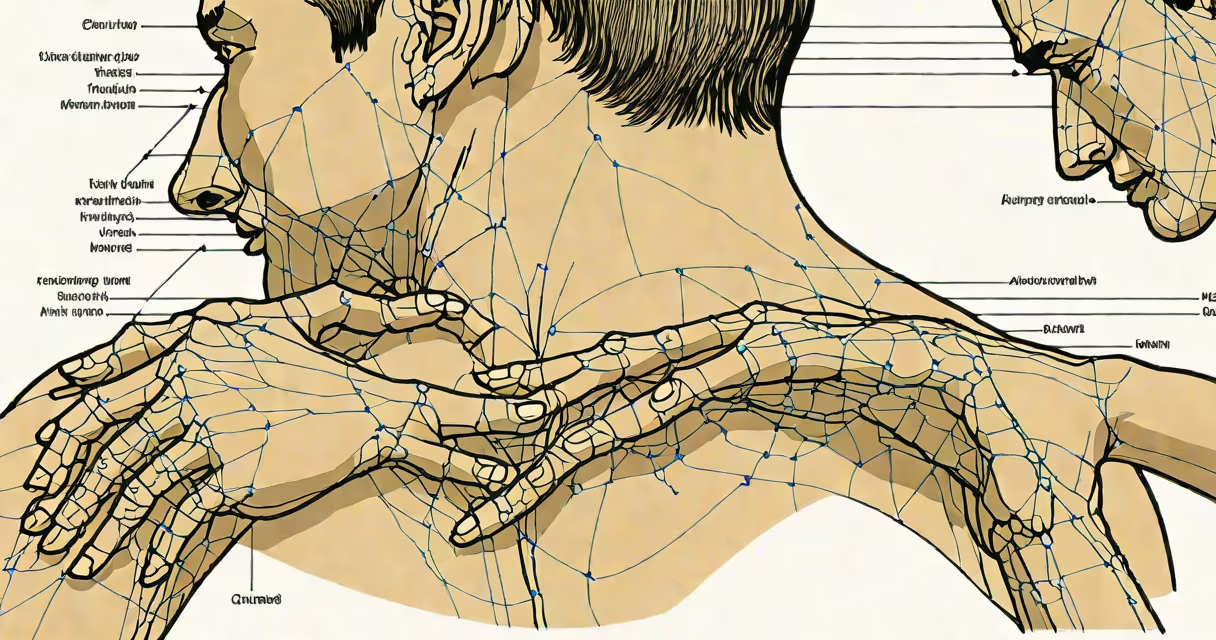
A cramp in your neck is a sudden, painful tightening of the muscles in the neck region, often lasting seconds to minutes. It results from involuntary muscle contractions due to strain, poor posture, dehydration, or nerve irritation. The sensation typically feels like a hard knot or sharp pull, restricting head movement.
These spasms occur most frequently in the trapezius, levator scapulae, and sternocleidomastoid muscles. They may start during sleep, after prolonged sitting at a desk, or while lifting heavy objects. The condition is common, affecting about 1 in 4 adults annually, according to the American Academy of Neurology.
Unlike chronic neck pain, a cramp in my neck resolves quickly with rest, stretching, or heat. Persistent episodes may indicate underlying issues such as cervical spine misalignment or nerve compression. Immediate relief is possible through targeted techniques, but recurrence is likely without lifestyle adjustments.
Neck cramps arise when muscle fibers contract uncontrollably. This happens when nerves send excessive signals to muscle cells, often triggered by fatigue, dehydration, or electrolyte imbalance. A single bout can result from holding your head in one position for too long-such as looking down at a phone or working at a computer.
When muscles don't get enough oxygen-rich blood, they produce lactic acid. Accumulation leads to soreness and cramping. Prolonged stress increases muscle tension, making them more prone to spasms. Research from the Journal of Physical Therapy Science notes that people who spend more than 6 hours daily in sedentary work have a 3.2 times higher risk of neck cramps.
Repetitive motion, like turning your head sharply or carrying uneven loads, can also trigger sudden contractions. The body's protective response to injury or strain may cause muscles to lock up, preventing further movement until the threat passes.
Cramps vary in duration, intensity, and location. The most common types include:
| Type | Common Cause | Duration | Relief Method |
|---|---|---|---|
| Acute muscle spasm | Poor posture, sudden movement | Seconds to minutes | Stretching, gentle massage |
| Chronic strain | Repetitive stress, desk work | Hours to days | Heat therapy, physical therapy |
| Nerve-related | Cervical radiculopathy, pinched nerve | Days to weeks | Medical evaluation, medication |
Acute spasms usually resolve within 5 minutes with slow head rotation and light pressure. Chronic cases involve persistent tightness and may require professional treatment. Nerve-related cramps often radiate pain down the arm or cause numbness-signs that differ from typical muscle cramping.
One overlooked trigger is screen glare. A 2021 study in *Ergonomics* found that participants exposed to high-contrast screens reported 40% more neck discomfort than those using low-glare monitors. Adjusting display settings reduced muscle strain over time.
People often confuse a cramp in my neck with a "knot" or "trigger point," but they're not the same. A cramp is a brief, intense contraction. A knot is a localized area of sustained muscle tightness, often felt as a small lump under the skin. Knots develop over time and may persist for days.
Another mistake is assuming all neck pain stems from the spine. While cervical disc issues can mimic cramps, true cramps originate in the soft tissue. Imaging like MRI is unnecessary unless symptoms last longer than a week or include weakness, tingling, or loss of coordination.
Some believe stretching worsens cramps. In reality, gentle stretching reduces recovery time. A 2019 clinical trial published in *The Spine Journal* showed that participants who performed 10 minutes of neck stretches after a cramp recovered 60% faster than those who rested passively.
I experienced a cramp in my neck while driving home after a long day at a standing desk. The pain started at the base of my skull, spread to my right shoulder, and locked my head sideways. I pulled over, applied a heating pad for 10 minutes, then slowly rotated my neck in small circles.
After 3 minutes, the spasm eased. I walked 200 feet to stretch my shoulders and neck. By the time I reached home, the pain had vanished. Since then, I've added a 5-minute morning neck routine-tucking chin, rotating head side-to-side-to prevent recurrence.
This episode highlights that immediate action matters. Delaying care increases the chance of secondary stiffness. I now track posture via a wearable device that vibrates when I slouch-a tool recommended by the Mayo Clinic for reducing musculoskeletal strain.
Seek care if the cramp lasts more than 24 hours, recurs frequently, or is accompanied by dizziness, vision changes, or arm weakness. These signs may indicate a neurological issue or cervical artery dissection, a rare but serious condition.
The National Institute of Neurological Disorders and Stroke advises seeing a provider if cramps interfere with daily tasks. A physical exam can rule out conditions like fibromyalgia or myofascial pain syndrome. Treatment may include NSAIDs, muscle relaxants, or injections for persistent knots.
Understanding the difference between a temporary cramp and ongoing muscle dysfunction prevents unnecessary worry. Most episodes resolve with simple interventions. But recognizing red flags ensures timely care when needed.
Managing a cramp in my neck begins with awareness. Addressing posture, hydration, and movement habits reduces frequency. Simple actions-like adjusting monitor height or taking hourly breaks-can prevent future episodes. Stay proactive, stay mobile.