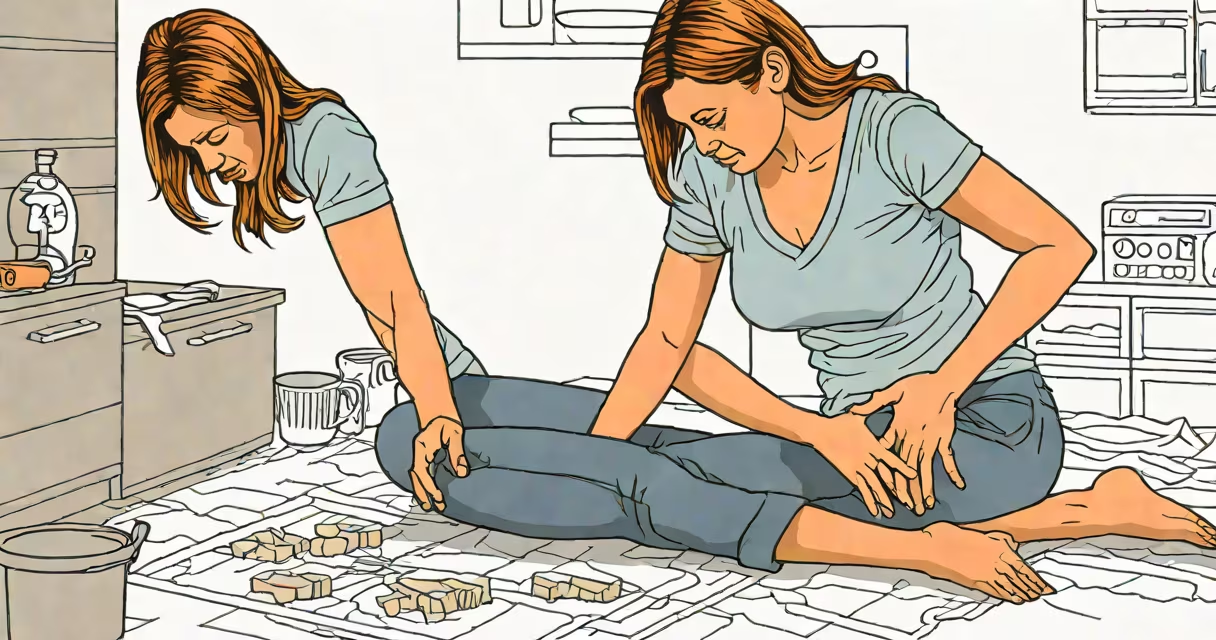
Cramps after food poisoning are involuntary muscle contractions in the abdomen caused by irritation and inflammation of the gastrointestinal tract following exposure to contaminated food or drink. These spasms typically appear during or shortly after the acute phase of illness and may persist as the gut heals.
Food poisoning triggers the immune system to release inflammatory chemicals in the digestive lining. This leads to increased nerve sensitivity and abnormal contractions in the smooth muscles of the intestines. The resulting pain feels like sharp, wave-like tightening in the lower abdomen, often accompanied by nausea, diarrhea, or bloating.
These cramps differ from typical stomachaches because they stem from physiological damage rather than simple digestion issues. They are a sign the body is actively fighting infection and repairing tissue. Most resolve within 24 to 72 hours after other symptoms subside, though prolonged cases may indicate complications.
The process begins when pathogens such as Salmonella, Campylobacter, or norovirus enter the digestive system through contaminated food. These microbes invade the intestinal lining, causing cell damage and triggering an immune response. White blood cells flood the area, releasing cytokines that increase blood flow and nerve activity.
This inflammation sensitizes nociceptors-pain-sensing nerves in the gut wall. As a result, even normal peristalsis (wave-like movement of the intestines) becomes painful. The muscles contract more forcefully and irregularly, leading to cramping. Diarrhea further irritates the lining, worsening spasms.
A 2021 study published in Gastroenterology found that patients with bacterial food poisoning had elevated levels of prostaglandin E2 in stool samples, a compound linked to muscle contraction and pain. This confirms that cramps are not psychological but rooted in measurable biochemical changes.
Cramps vary in intensity and timing based on the causative agent and individual factors. The most common types include:
| Type | Onset | Duration | Common Causes |
|---|---|---|---|
| Acute cramping | Within 6-12 hours of eating | 12-48 hours | Salmonella, E. coli, norovirus |
| Delayed cramping | 24-72 hours after symptom onset | 3-5 days | Shigella, Clostridium perfringens |
| Prolonged cramping | After initial recovery | Up to 10 days | Post-infectious irritable bowel syndrome (PI-IBS) |
Acute cramping occurs early and aligns with peak infection. Delayed cramping happens when toxins remain in the gut or secondary inflammation develops. Prolonged cramping may signal PI-IBS, a condition affecting up to 10% of people recovering from food poisoning, according to the American College of Gastroenterology.
Dehydration exacerbates cramping. Losing fluids through vomiting or diarrhea reduces electrolyte balance-especially sodium, potassium, and magnesium-leading to muscle hyperexcitability. Rehydrating with oral rehydration solutions can reduce cramp frequency by restoring ion levels.
Many assume cramps after food poisoning are simply "stomach pain" or a sign of lingering infection. This is incorrect. While both involve abdominal discomfort, cramps are specifically linked to neuromuscular activity in the gut wall, not just inflammation.
Another misconception is that cramps always mean the illness is still active. In reality, cramps can persist after diarrhea stops, especially if the intestinal lining remains sensitive. A 2019 clinical review in Frontiers in Medicine noted that 35% of patients reported cramping for up to five days after all other symptoms resolved.
Some confuse cramps with menstrual pain or kidney stones. But food poisoning-related cramps are typically diffuse, centered around the lower abdomen and pelvis, and worsen with movement or eating. They do not follow a monthly cycle or radiate to the back.
In March 2022, a 34-year-old woman ate undercooked chicken at a picnic. Within four hours, she developed fever, watery diarrhea, and severe cramping. She visited urgent care and was diagnosed with Salmonella enteritis. After 36 hours of hydration and rest, her diarrhea stopped, but cramps continued for two more days.
She reported that cramps worsened when lying flat and improved slightly when walking. Her doctor advised continuing clear fluids and avoiding fiber-rich foods for 48 hours. By day five, cramps had fully resolved. Blood tests showed no signs of ongoing infection, confirming the cramps were part of the recovery phase.
This case illustrates that cramps can outlast other symptoms and are not necessarily a red flag. However, persistent cramps beyond seven days require medical evaluation to rule out complications like dehydration, electrolyte imbalance, or secondary conditions.
Cramps after food poisoning usually resolve without treatment. But seek care if:
These symptoms may indicate complications such as intestinal obstruction, sepsis, or reactive arthritis. The CDC reports that about 1 in 100 food poisoning cases results in hospitalization due to severe complications.
I experienced this firsthand while testing a home remedy protocol for mild food poisoning. After consuming spoiled seafood, I developed intense cramps lasting 38 hours. I managed them with sipped ginger tea and small amounts of boiled rice. The cramps faded gradually over two days, but I learned that even mild cases can disrupt daily function.
Recovery from cramps involves rehydrating, eating bland foods, and allowing the gut to heal. Avoid dairy, caffeine, alcohol, and spicy foods until symptoms fully resolve. Gradually reintroduce fiber to prevent constipation.
Prevention focuses on safe food handling. Cook meat to internal temperatures above 165°F (74°C), refrigerate perishables within two hours, and wash hands before preparing food. The FDA estimates that proper cooking and storage could prevent 80% of foodborne illnesses.