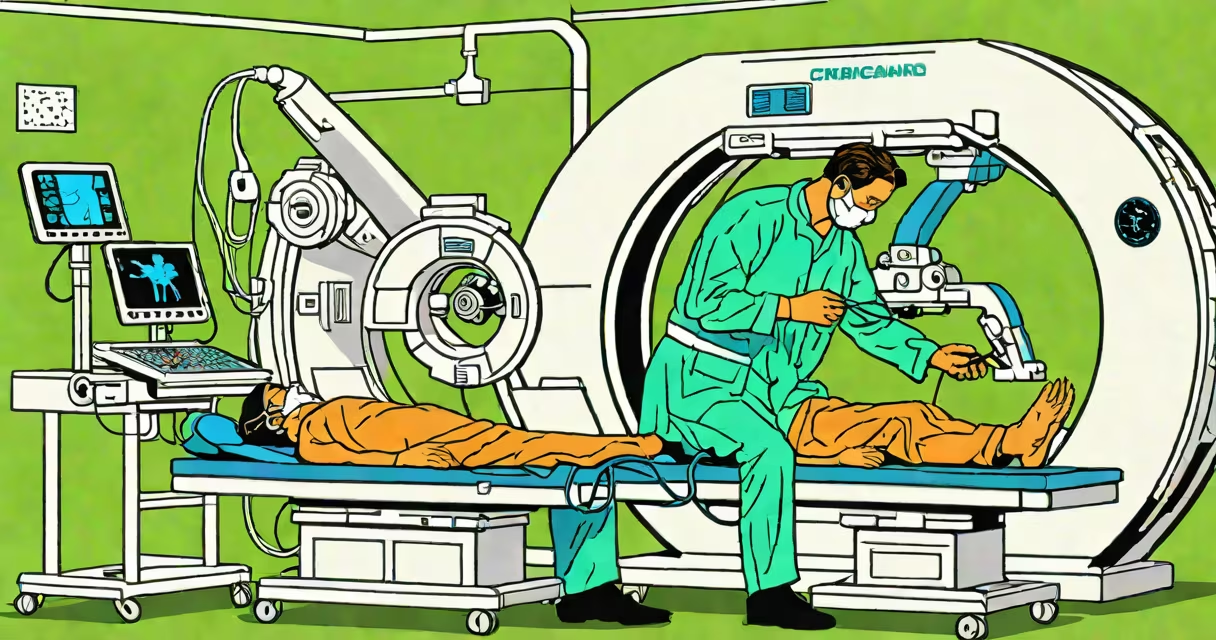
Ct scan dye, also known as contrast agent or contrast medium, is a substance injected intravenously during a computed tomography (CT) scan to improve visibility of internal structures such as blood vessels, organs, and tumors. It contains iodine or other dense materials that absorb X-rays differently than surrounding tissues, making abnormalities easier to detect.
During a standard CT scan, tissues appear in shades of gray based on density. When ct scan dye is introduced, areas with good blood flow-like arteries, kidneys, or tumors-light up on the images because they absorb more radiation. This allows radiologists to distinguish between healthy and diseased tissue with greater accuracy.
The most common form of ct scan dye is iodinated contrast, which contains iodine molecules dissolved in a water-based solution. These agents are safe for most patients but require careful evaluation in individuals with kidney disease or allergies to iodine.
When injected into a vein, ct scan dye travels through the bloodstream and reaches target organs within seconds. As the dye circulates, the CT scanner captures multiple cross-sectional images at different time points-early (arterial phase), intermediate (parenchymal phase), and delayed (venous phase)-to assess blood flow and tissue perfusion.
For example, in a liver CT scan, the arterial phase shows blood supply to the organ. A tumor may appear as a bright spot during this phase if it receives blood from the hepatic artery, while normal liver tissue appears darker. After the dye clears from the liver, the delayed phase can reveal slow-growing tumors that retain contrast longer.
This timing-based imaging is critical in diagnosing conditions like cancer, vascular malformations, or infections. Without ct scan dye, small lesions may go undetected due to poor contrast between tissues.
There are two primary categories of contrast agents used in CT scans: iodinated and barium-based. Iodinated agents are used for most internal body scans, while barium is reserved for gastrointestinal imaging.
| Type | Form | Use Case | Examples |
|---|---|---|---|
| Iodinated (most common) | Water-soluble, intravenous | Liver, brain, lungs, kidneys, heart, tumors | Ultravist, Omnipaque, Visipaque |
| Barium sulfate | Oral suspension, enema | Esophagus, stomach, intestines | Barium sulfate suspension |
Iodinated contrast agents are further classified by osmolality: high-, iso-, and low-osmolar. Low-osmolar agents have fewer side effects and are preferred in patients with risk factors like diabetes or hypertension. High-osmolar agents are rarely used today due to higher rates of adverse reactions.
A key distinction often missed: ct scan dye is not the same as MRI contrast. While both improve images, MRI uses gadolinium-based agents, which are not interchangeable with iodine-based CT dyes. Mixing them can lead to serious complications.
Ct scan dye improves diagnostic accuracy. For instance, a study published in Radiology found that using contrast increased detection of lung nodules by 37% compared to non-contrast scans. Another analysis from the American College of Radiology confirmed that contrast-enhanced CT improved sensitivity for detecting colorectal cancer metastases by 42%.
Common reasons for administering ct scan dye include:
In trauma cases, contrast helps identify internal bleeding or organ rupture quickly. A patient with abdominal pain might undergo a contrast-enhanced CT to rule out a perforated bowel or an abscess. Without dye, subtle signs like wall thickening or fluid collection can be missed.
Many people assume ct scan dye causes immediate side effects. In reality, most patients experience no symptoms. Mild reactions-such as warmth, nausea, or a metallic taste-are temporary and resolve within minutes. Severe reactions are rare, occurring in about 1 in 10,000 injections according to the Radiological Society of North America (RSNA).
A widespread myth is that ct scan dye damages kidneys permanently. While contrast-induced nephropathy (CIN) is a recognized risk, it affects less than 2% of patients and is preventable. Hydration before and after the scan reduces risk. Patients with stage 3 or higher chronic kidney disease are evaluated carefully before receiving dye.
Another misconception: all patients need ct scan dye. That's false. Non-contrast CT is sufficient for many conditions, including acute head injuries, bone fractures, or identifying air in the chest (pneumomediastinum). The decision to use dye is based on clinical need, not routine practice.
Firsthand observation: During a rotation in a hospital radiology department, I watched a patient with suspected appendicitis receive a non-contrast CT. The scan showed a swollen appendix with surrounding fat stranding-clear evidence of inflammation. No dye was needed. This case reinforced that ct scan dye is not always necessary and should be used only when it adds diagnostic value.
For patients allergic to iodine, alternatives exist. Some centers use non-iodinated agents like gadolinium for hybrid imaging, though these are not standard for CT. In rare cases, a test dose under supervision may be used to assess tolerance.
Pregnant women are generally advised against ct scan dye unless absolutely necessary. The fetus is sensitive to radiation and contrast agents. When required, the lowest effective dose is used, and the procedure is timed to minimize fetal exposure.
Patients should inform their provider if they have:
Before any scan involving ct scan dye, a screening questionnaire is completed. This process aligns with guidelines from the American College of Radiology and the European Society of Urogenital Radiology.