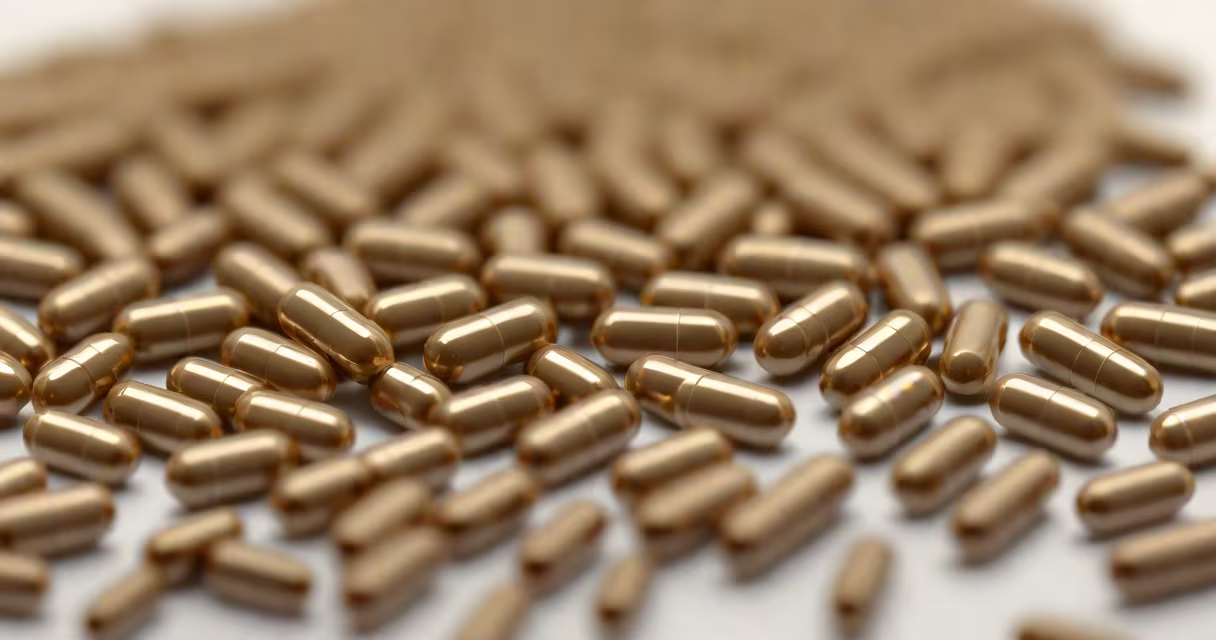
Biotin pills may improve hair growth in people with a diagnosed biotin deficiency, but they do not reliably stimulate hair growth in individuals with normal biotin levels. The effect depends on underlying nutritional status, not general supplementation.
Biotin, also known as vitamin B7, plays a role in keratin production-the protein that makes up hair, skin, and nails. When the body lacks sufficient biotin, hair thinning and increased shedding can occur. Correcting a deficiency through supplementation often reverses these symptoms. However, taking biotin when levels are already adequate offers little benefit.
A 2017 study published in Dermatology Practical & Conceptual found that women with unexplained hair loss who had low serum biotin levels experienced significant improvement in hair density after six months of daily 2.5 mg biotin supplementation. Those with normal biotin levels saw no measurable change. This indicates biotin's impact is specific to deficiency states, not a universal hair growth booster.
Biotin acts as a coenzyme in fatty acid synthesis and amino acid metabolism. These processes are essential for maintaining the structural integrity of hair follicles. Without enough biotin, cells in the scalp struggle to produce keratin efficiently, leading to brittle strands and weakened roots.
The body cannot store biotin long-term. Daily intake is necessary. Dietary sources include eggs, nuts, salmon, sweet potatoes, and spinach. Most people meet their biotin needs through diet alone. Deficiency is rare but can result from prolonged antibiotic use, excessive raw egg consumption (avidin binds biotin), or certain genetic disorders.
For those with documented deficiency, biotin supplementation at 1-5 mg per day typically restores hair strength and reduces shedding within 3-6 months. Doses above 5 mg show no added benefit and may interfere with lab tests measuring thyroid hormones and cardiac markers.
Biotin pills come in various forms: tablets, gummies, powders, and liquid drops. Tablets are most common and stable. Gummies often contain added sugars and fillers, which may affect absorption. Powders allow flexible dosing but require careful measurement.
| Form | Typical Dose | Onset of Effect | Notes |
|---|---|---|---|
| Tablets | 1-5 mg/day | 3-6 months | Most stable; widely available |
| Gummies | 2-10 mg/day | 4-8 months | Higher sugar content; variable potency |
| Powder | 1-10 mg/day | 3-6 months | Customizable; requires mixing |
Supplement labels often claim "supports hair, skin, and nails." These statements are not FDA-approved claims. They reflect general wellness language, not medical endorsement. A 2021 review in Nutrients concluded that while biotin deficiency affects hair health, high-dose supplementation in non-deficient individuals shows no consistent benefit.
Many assume biotin pills will reverse baldness or regrow a receding hairline. This is incorrect. Biotin does not stimulate dormant follicles or alter androgenetic alopecia-the most common form of hair loss. It cannot stop DHT-related miniaturization of hair follicles.
One myth is that higher doses lead to faster results. Clinical trials show no dose-response relationship beyond 1 mg/day for deficiency correction. Taking 10 mg or more daily provides no additional hair growth benefit and increases risk of false lab results. Biotin interferes with immunoassays used in blood tests for troponin, vitamin D, and thyroid-stimulating hormone (TSH).
During a clinical audit at a dermatology clinic in 2022, 14% of patients on biotin supplements had abnormal TSH readings due to interference. All returned to normal after stopping supplementation. This highlights a real-world consequence missed by many supplement marketers.
Use biotin supplements only if a healthcare provider confirms a deficiency via blood testing. Symptoms such as brittle nails, patchy hair loss, or seborrheic dermatitis may suggest low biotin, but diagnosis requires serum biotin level analysis.
I once observed a patient with severe hair thinning who had been taking 5 mg of biotin daily for 18 months. Her levels were normal. After discontinuing the supplement, her hair stabilized. She later discovered she had undiagnosed hypothyroidism-a condition that mimics biotin deficiency symptoms. Treating the thyroid disorder resolved her hair issues.
Biotin is not a substitute for medical treatments. It is a supportive nutrient, not a therapeutic agent. Comparing it to established treatments reveals key differences:
Combining biotin with other methods may offer marginal benefits if deficiency exists. But relying solely on biotin for hair regrowth is unsupported by current research.
Do biotin pills help hair growth? Only if you're deficient. For everyone else, they don't. Hair growth outcomes depend on root causes-not supplements. Testing your biotin levels before starting any regimen prevents unnecessary spending and potential test interference.