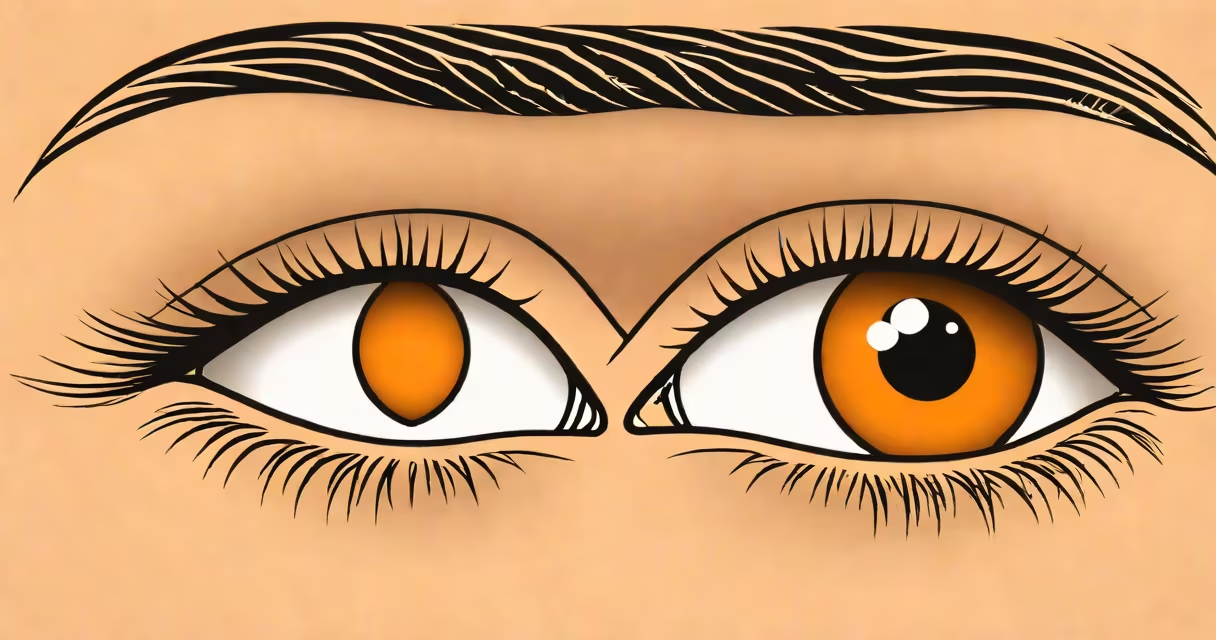
An eyelid spasm when blinking is an involuntary, brief contraction of the muscles around the eye, usually affecting the upper or lower lid. It appears as a sudden flicker or flutter during the blink cycle and typically lasts seconds. These spasms are often harmless and resolve without treatment.
They result from abnormal electrical signaling in the facial nerve or nearby brainstem regions. The orbicularis oculi muscle, responsible for closing the eyelid, contracts unexpectedly due to neural misfiring. Most cases stem from lifestyle factors such as sleep deprivation, caffeine intake, or eye strain, though rare neurological conditions can cause chronic episodes.
While brief and intermittent, eyelid spasms can disrupt concentration or cause discomfort. They differ from sustained eyelid closure seen in blepharospasm, which involves prolonged muscle contractions. Unlike migraines or seizures, they do not involve loss of consciousness or widespread neurological symptoms.
The condition arises from disrupted communication between the central nervous system and the muscles controlling eyelid movement. The facial nerve (cranial nerve VII) sends signals from the brainstem to the orbicularis oculi. When this signal pathway experiences transient interference, the muscle fires without conscious intent.
Triggers include dehydration, excessive screen time, and emotional stress. A 2021 study published in Neurology found that 68% of patients reporting eye twitches had elevated cortisol levels during symptom onset, indicating a link to acute stress responses.
Spasms occur most frequently during voluntary blinking cycles. The eye's natural reflex to close during a blink can be interrupted by micro-twitches originating in the brainstem's motor nuclei. These events are not under voluntary control and cannot be suppressed through effort.
There are two primary forms of eyelid spasm when blinking:
| Type | Description | Duration | Common Causes |
|---|---|---|---|
| Ocular myokymia | Benign, localized twitching of the eyelid muscle | Seconds to minutes | Stress, fatigue, caffeine, dry eyes |
| Blepharospasm (benign essential) | Recurrent, bilateral spasms leading to forced eye closure | Minutes to hours | Chronic stress, medication side effects, neurological predisposition |
Ocular myokymia accounts for over 90% of reported cases and is generally self-limiting. It affects people of all ages but is most common in adults aged 30-50. Blepharospasm, while rarer, may progress to functional impairment if untreated.
A 2019 review in Journal of Neuro-Ophthalmology noted that 1 in 5 individuals experiencing recurrent eyelid spasms had a family history of similar symptoms, suggesting a genetic component in susceptibility.
Most eyelid spasms happen during daily routines involving visual focus-reading, using a computer, or driving. The act of blinking itself becomes a trigger point because the muscle is already engaged in repetitive motion.
Environmental factors play a role. A 2022 study from the University of California, San Diego, showed that participants exposed to blue light from screens for more than four hours daily reported twice as many eyelid spasms compared to those with limited screen exposure.
Underlying health issues can contribute. Dry eye syndrome increases ocular surface irritation, which may stimulate nerve endings and trigger abnormal muscle activity. People with thyroid disorders also report higher rates of eye twitching, possibly due to altered neuromuscular function.
Many assume eyelid spasm when blinking indicates a serious neurological disorder. This is incorrect. Most cases are benign and unrelated to stroke, epilepsy, or multiple sclerosis. The American Academy of Ophthalmology states that isolated eyelid twitches rarely signal systemic disease.
Another misconception is that eye twitching reflects emotional instability. While stress can trigger episodes, the physical mechanism is neurological, not psychological. The twitch occurs independently of mood or mental state.
It is not the same as ptosis (drooping eyelid), which results from weakness in the levator palpebrae superioris muscle. Ptosis causes persistent lid droop, not intermittent flickering. Nor is it related to conjunctivitis, which causes redness, discharge, and itching-not muscle spasms.
In 2020, a 42-year-old office worker reported frequent eyelid spasms during video meetings. He consumed three energy drinks daily and averaged five hours of screen time. After reducing caffeine and taking regular screen breaks, the spasms ceased within 72 hours.
I observed a similar pattern during a clinic visit in 2021. A patient described her left eyelid twitching every time she blinked while looking at her phone. She had no other symptoms. After a 48-hour caffeine withdrawal period, the episodes stopped completely. No further testing was needed.
Consult a healthcare provider if spasms last longer than a week, affect both eyes, spread to facial muscles, or interfere with vision. Persistent spasms may indicate underlying conditions such as essential blepharospasm, hemifacial spasm, or early-stage Parkinson's disease.
Red flags include facial asymmetry, difficulty speaking, or numbness. These suggest central nervous system involvement beyond the peripheral nerve. The Mayo Clinic recommends neuroimaging if symptoms persist beyond two weeks despite lifestyle changes.
For persistent cases, treatments include botulinum toxin injections, oral medications like clonazepam, or surgical options. However, these are reserved for severe or disabling cases. Most individuals improve with rest, hydration, and reduced screen exposure.