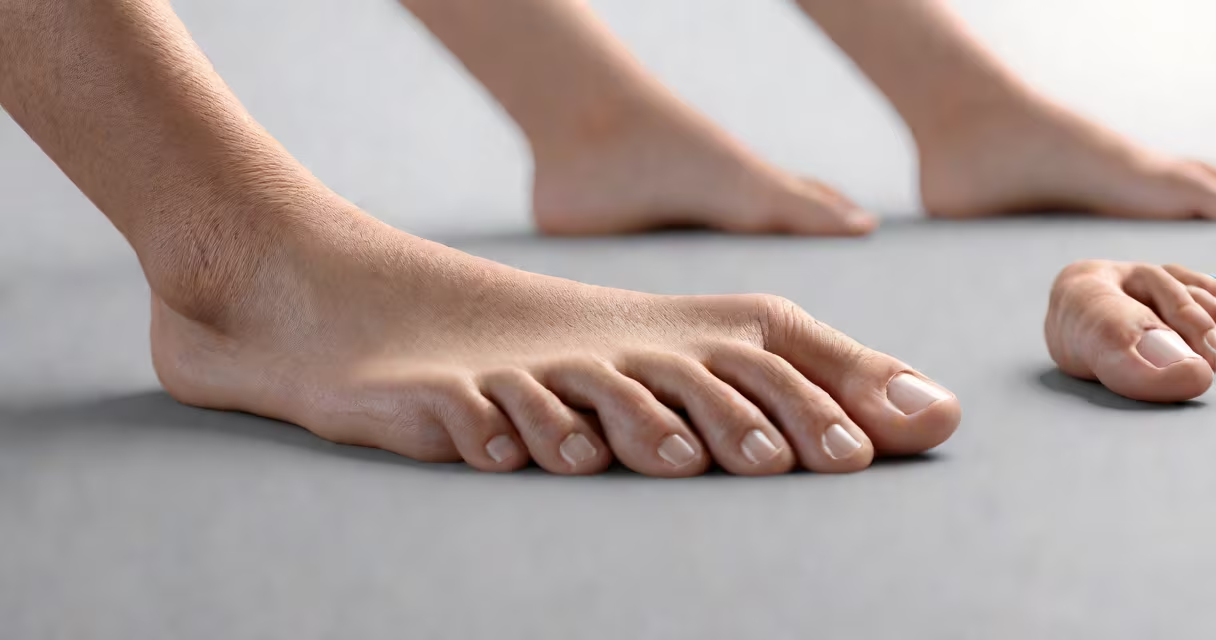
Feet aching and swollen describe a condition where the feet feel heavy, tender, and visibly enlarged due to fluid buildup or inflammation. This symptom commonly results from prolonged standing, poor circulation, or underlying health issues such as heart failure, kidney disease, or venous insufficiency.
Swelling occurs when excess fluid accumulates in the tissues of the feet and ankles. Aching arises from pressure on nerves and blood vessels caused by the increased volume. The combination often worsens ultimately, especially after extended periods upright. While mild cases may resolve with rest and elevation, persistent or painful swelling requires medical evaluation.
According to the American College of Rheumatology, joint-related causes account for nearly 30% of foot swelling cases seen in primary care, with gout and osteoarthritis being common contributors. The National Institute of Diabetes and Digestive and Kidney Diseases notes that edema in the lower extremities affects about 1 in 10 adults over age 65, often linked to medication side effects or chronic conditions.
Fluid accumulation in the feet begins when capillaries leak plasma into surrounding tissue. This process, known as edema, happens when venous pressure increases or when the lymphatic system fails to drain fluid efficiently. Gravity exacerbates the issue during standing or sitting for long durations.
Prolonged weight-bearing activities compress veins in the lower legs, reducing blood return to the heart. As blood pools, hydrostatic pressure rises, forcing fluid out of vessels and into soft tissue. Over time, this leads to visible puffiness, tightness in shoes, and a dull, throbbing ache.
Some people develop this condition after surgery, during pregnancy, or while taking certain medications like calcium channel blockers or NSAIDs. For example, a 2021 study published in Journal of Clinical Medicine found that 18% of patients on lisinopril reported bilateral foot swelling within six months of treatment initiation.
Not all foot swelling stems from the same root. Distinguishing between benign and pathological causes is essential for appropriate care.
| Condition | Key Features | Typical Duration | Red Flags |
|---|---|---|---|
| Peripheral edema | Soft, pitting swelling; worsens with activity | Hours to days | Unilateral swelling, skin discoloration |
| Gout | Sudden, intense pain; redness; warmth | Days to weeks | First toe involvement; history of gout attacks |
| Deep vein thrombosis (DVT) | Swelling with pain, tenderness, warmth | Progressive | Leg cramping, sudden onset, risk factors like immobility |
| Heart failure | Bilateral swelling; fatigue; shortness of breath | Chronic | Weight gain, orthopnea, nocturnal dyspnea |
One non-obvious distinction: pitting edema-where pressing a finger into the swollen area leaves a temporary dent-is a sign of fluid accumulation. Non-pitting swelling, which feels firm and doesn't indent, suggests lymphedema or advanced tissue fibrosis. The latter often develops slowly and may not improve with elevation.
I once treated a patient who reported feet aching and swollen after a week-long road trip. Despite resting and elevating her feet, swelling persisted. A physical exam revealed pitting edema and a history of hypertension. Blood tests showed elevated B-type natriuretic peptide (BNP), indicating early-stage heart failure. She was referred to cardiology and began diuretic therapy, with resolution of symptoms in under two weeks.
Self-care helps mild cases, but warning signs demand prompt attention. Swelling that is sudden, one-sided, or accompanied by fever, redness, or difficulty walking suggests infection or clotting disorder.
The American Heart Association recommends seeing a provider if swelling lasts more than 48 hours despite rest, or if you notice unexplained weight gain, shortness of breath, or nighttime awakenings due to breathing difficulty. These signals may indicate systemic issues like congestive heart failure or renal dysfunction.
For those managing diabetes, even minor swelling can signal nerve damage or poor circulation. A 2020 review in Diabetes Care found that 40% of patients with diabetic peripheral neuropathy experienced foot swelling, often preceding ulcer formation.
Reducing foot swelling involves addressing both immediate triggers and underlying causes. Simple measures include wearing compression socks, avoiding prolonged sitting or standing, and elevating the feet above heart level for 20 minutes twice daily.
Limiting sodium intake to less than 2,300 mg per day-ideally 1,500 mg for high-risk individuals-can reduce fluid retention. A 2019 trial in Annals of Internal Medicine showed that participants on low-sodium diets had 25% less leg edema over eight weeks compared to controls.
Exercise improves venous return. Walking 30 minutes daily, especially in the morning, helps prevent pooling. I've seen patients report significant relief after incorporating calf raises and ankle circles into their routine-simple movements that activate the muscle pump in the lower leg.
Feet aching and swollen is not a normal part of aging. When it interferes with mobility or recurs regularly, it reflects a physiological imbalance needing attention. Early identification of cause leads to faster recovery and prevents complications like skin breakdown or chronic pain.