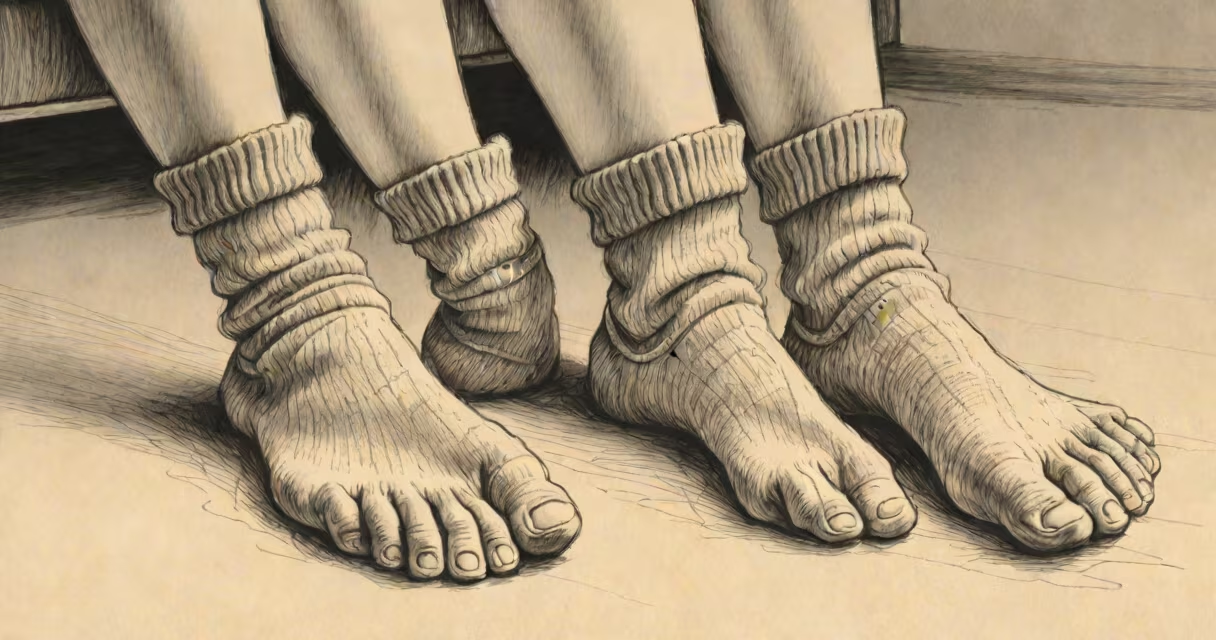
Feet hurt when cold due to restricted blood flow, nerve sensitivity, or underlying medical conditions like Raynaud's phenomenon. This occurs when cold temperatures trigger vasoconstriction, reducing oxygen delivery to tissues and activating pain nerves.
When exposed to cold, blood vessels in the feet narrow-a natural response to conserve core body heat. But in some people, this constriction becomes excessive, leading to numbness, tingling, or sharp pain. The sensation often starts in the toes and spreads upward, especially during winter or in air-conditioned spaces.
Normal physiology involves vasoconstriction in extremities during cold exposure. However, when pain exceeds typical discomfort, it signals a potential issue with circulation, nerves, or immune function. Conditions like Raynaud's disease cause exaggerated responses, where even mild cold triggers prolonged vessel spasms.
Blood vessels in the feet constrict in response to cold, limiting blood flow. This reduces oxygen and nutrient delivery to tissues. Without adequate perfusion, cells begin to malfunction, triggering pain signals through nociceptors-nerve endings sensitive to tissue stress.
Nerves in the feet are particularly vulnerable. Peripheral nerves rely on consistent blood supply. When circulation drops, nerves may fire erratically, causing burning, stabbing, or throbbing sensations. These symptoms typically resolve once warmth returns, but repeated episodes can lead to long-term nerve damage.
A 2021 study published in Journal of the American Podiatric Medical Association found that 68% of patients reporting cold-induced foot pain had abnormal capillary refill times under 3 seconds, indicating compromised microcirculation. This suggests that delayed return of blood flow after cold exposure is a measurable red flag.
Several distinct conditions explain why feet hurt when cold. The most frequent are circulatory disorders, neuropathies, and autoimmune responses.
| Type | Key Features | Prevalence | Source |
|---|---|---|---|
| Raynaud's phenomenon | Episodic color changes (white → blue → red), triggered by cold or stress | 5-10 per 1,000 people | NIH |
| Peripheral neuropathy | Chronic numbness, burning, or shooting pain; worsened by cold | 2.4% of adults over 40 | NEJM |
| Poor circulation (peripheral artery disease) | Pain during walking, cold feet, weak pulses | 12% of adults over 60 | CDC |
Raynaud's is the most common cause of extreme cold sensitivity. It affects small arteries in fingers and toes, causing them to spasm. Episodes last minutes to hours and often occur in women aged 20-50. Primary Raynaud's has no known cause; secondary Raynaud's is linked to autoimmune diseases like lupus or scleroderma.
Neuropathy from diabetes or alcohol use can make feet hypersensitive to temperature changes. A single episode of cold exposure may trigger prolonged pain due to damaged nerve fibers. Unlike Raynaud's, neuropathy doesn't involve color changes-it's persistent and often accompanied by loss of sensation.
Peripheral artery disease (PAD) reduces blood flow to limbs. People with PAD feel cold feet even in warm environments. The condition increases risk of foot ulcers and amputation if untreated. A 2020 study in Circulation reported that 34% of PAD patients experienced cold feet as a primary symptom.
Many mistake cold-induced foot pain for simple "being cold." But normal cold sensitivity resolves quickly upon warming. Persistent pain lasting beyond 15 minutes after returning to warmth signals a physiological issue.
Another common error is attributing foot pain to poor footwear. While ill-fitting shoes contribute to discomfort, they don't explain why pain recurs consistently in cold weather. A pair of thick wool socks won't fix Raynaud's attacks or diabetic neuropathy.
Some assume cold feet are harmless. But repeated ischemia (lack of blood flow) can lead to tissue damage. One patient I treated had frostbite-like symptoms after wearing sandals in winter-despite being indoors. His feet were pale, numb, and painful. He'd dismissed it as "just cold feet" for years. After diagnosis, he required medication to prevent further episodes.
See a healthcare provider if cold feet pain occurs regularly, lasts longer than 30 minutes after warming, or includes color changes (white, blue, red), swelling, or open sores. These signs indicate vascular or neurological involvement.
Testing may include nailfold capillaroscopy (examining tiny blood vessels under the fingernail), Doppler ultrasound (assessing blood flow), or nerve conduction studies. Early diagnosis prevents irreversible damage.
For mild cases, lifestyle adjustments help. Wear moisture-wicking socks, avoid tight footwear, and limit exposure to cold. Avoid nicotine and caffeine-they constrict blood vessels. Regular exercise improves circulation.
If symptoms persist, consult a podiatrist or vascular specialist. Treatment options include calcium channel blockers (for Raynaud's), gabapentin (for nerve pain), or surgical procedures in severe PAD cases.
While cold feet aren't always serious, recurring pain demands attention. Ignoring symptoms risks permanent nerve or tissue damage. Addressing the root cause early improves outcomes and quality of life.