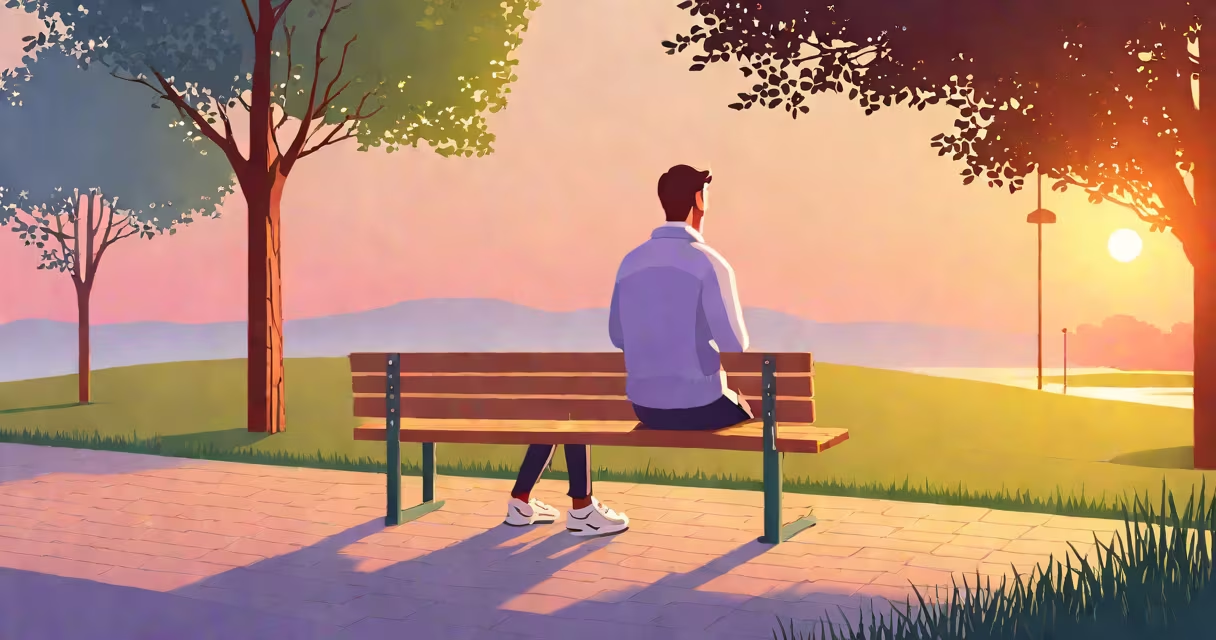
Feeling really lonely is a subjective experience of emotional isolation, where a person perceives a lack of meaningful connection with others-even when physically surrounded by people. It's not simply being alone; it's the distressing gap between desired and actual social relationships.
Loneliness arises when a person feels unseen, misunderstood, or emotionally disconnected from others. It's not about the number of people around but the quality of relationships. A person may have dozens of acquaintances yet feel profoundly isolated. The American Psychological Association defines loneliness as "a perceived lack of meaningful social connection," emphasizing that it's a psychological state, not just a physical condition.
Research shows that chronic loneliness increases the risk of premature death by 26%, according to a 2015 meta-analysis published in *Perspectives on Psychological Science*. This risk surpasses that of obesity and is comparable to smoking five cigarettes a day. Loneliness isn't a character flaw-it's a biological alarm system signaling unmet social needs.
When someone feels really lonely, the brain activates stress pathways similar to those triggered by physical pain. The amygdala becomes hyperactive, increasing anxiety and vigilance for social threats. At the same time, the prefrontal cortex-the area responsible for rational decision-making-shows reduced activity, making it harder to regulate emotions.
Chronic loneliness elevates cortisol levels, disrupts sleep, and weakens immune function. A 2020 study in *Nature Human Behaviour* found that lonely individuals show altered gene expression related to inflammation and stress response, even when controlling for socioeconomic status.
Unlike temporary solitude-such as reading a book in a quiet room-feeling really lonely persists over time and interferes with daily functioning. It often leads to rumination, social withdrawal, and avoidance of interactions, which worsens the cycle.
Loneliness isn't a single experience. It manifests in different forms based on context and duration:
| Type | Description | Common Triggers |
|---|---|---|
| Emotional loneliness | Lack of close, intimate relationships | Breakup, loss of a loved one, moving away |
| Social loneliness | Insufficient quantity of social contact | New job, school, or city; retirement |
| Existential loneliness | Feeling disconnected from purpose or meaning | Midlife crisis, spiritual questioning, identity shifts |
Many people confuse being alone with feeling really lonely. Solitude-time spent alone by choice-is often restorative. But loneliness is involuntary and distressing. A 2021 survey by the Cigna U.S. Loneliness Index found that 61% of Americans reported feeling lonely, with younger adults aged 18-22 reporting the highest rates. Yet only 38% said they'd spoken to someone about their feelings.
One non-obvious distinction: loneliness is not always tied to external circumstances. A person can live in a bustling city with constant interaction yet feel deeply isolated. Conversely, someone living in rural isolation may feel connected through regular phone calls and community involvement. The key difference lies in perceived emotional resonance-not presence or absence of people.
Feeling really lonely is common during life transitions: starting college, beginning a new career, relocating, or becoming a parent. These changes disrupt established support networks. For example, a 2022 study in *Journal of Social and Personal Relationships* showed that 45% of first-year university students reported heightened loneliness during orientation week, despite being surrounded by peers.
Technology intensifies the paradox. While platforms like Instagram and TikTok offer constant connection, they often amplify feelings of inadequacy and exclusion. A 2023 report from the Pew Research Center found that 54% of teens who spend more than three hours daily on social media report feeling lonely more often than those who use it less than an hour.
I once sat in a crowded café during winter break, watching groups laugh and share meals. I was surrounded by people but felt invisible. My phone buzzed with messages, but none reached me. That moment crystallized the difference: being seen matters more than being present.
People often assume loneliness is a sign of weakness or failure. It isn't. It's a universal human experience. The World Health Organization recognizes loneliness as a public health concern, especially among older adults and youth. In 2021, the UK appointed a Minister for Loneliness to address national mental health trends.
Another misconception: loneliness only affects introverts or socially anxious people. Extroverts can feel deeply lonely too. A 2019 study in *Personality and Social Psychology Bulletin* found that extroverted individuals were more likely to report intense loneliness when their social needs went unmet, because they expect frequent, high-quality interaction.
Some believe loneliness resolves on its own. It doesn't. Without intervention, it can lead to depression, substance use, and suicidal ideation. The National Institute of Mental Health reports that loneliness is a significant predictor of suicide risk, independent of clinical depression diagnosis.
Consider Maya, a 19-year-old freshman at a large university. She lives in a dorm with four roommates but rarely talks to them. She attends classes and joins clubs but feels like an outsider. She texts her parents daily but says nothing about how she's struggling. Over six weeks, she stops going to meals, skips lectures, and spends nights scrolling through social media.
Maya isn't alone-she's surrounded by people. But she feels emotionally disconnected. Her loneliness isn't due to lack of access to others. It's due to a mismatch between her need for authentic connection and the shallow interactions she experiences. After seeking counseling, she joined a small peer group focused on creative writing. Within three months, her mood improved, and she began attending events again.
This illustrates that feeling really lonely isn't about quantity of contact-it's about quality and emotional safety. Support systems aren't built overnight. They require consistent effort and vulnerability.