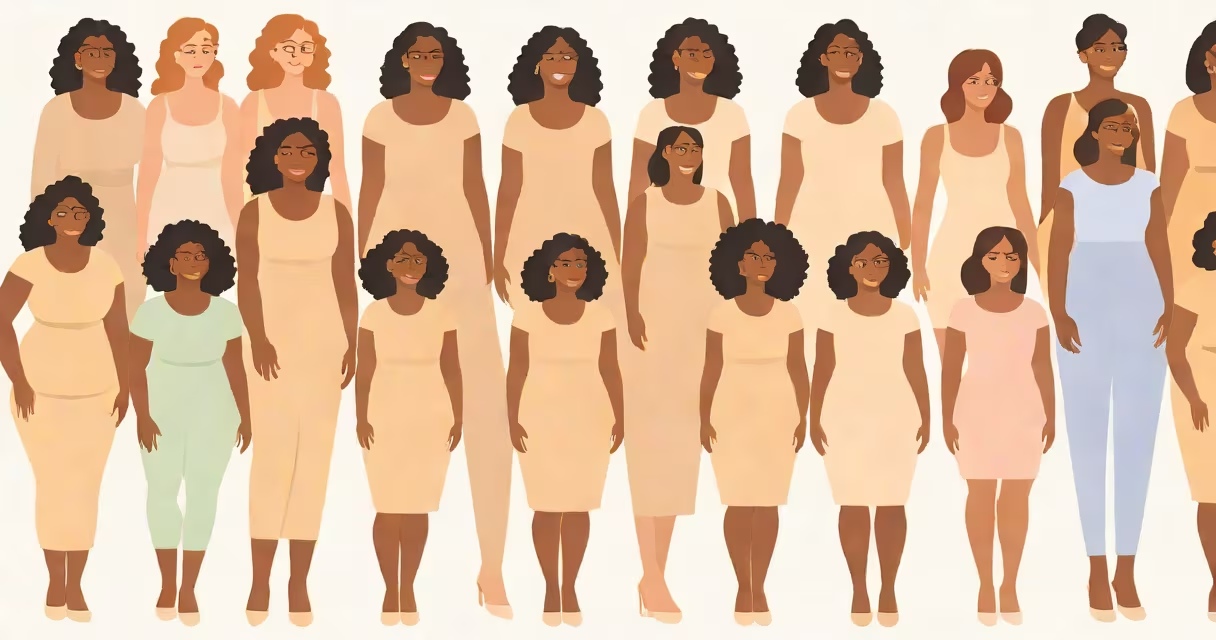
Female body types refer to naturally occurring patterns in body shape determined by fat distribution, bone structure, and muscle mass. These categories-apple, pear, hourglass, and rectangle-are based on where fat accumulates and how the torso, hips, and waist align. Understanding your type helps set realistic fitness and health goals.
Body types aren't about aesthetics or ideal proportions. They're biological classifications rooted in genetics and hormonal influences. The four primary types are defined by the relative size of the waist, hips, and bust. A 2019 study published in Obesity Research & Clinical Practice confirmed that body shape correlates strongly with metabolic risk factors, independent of BMI.
Doctors and researchers use body type as a screening tool. For example, apple-shaped individuals-those who carry more fat around the abdomen-have higher risks for insulin resistance and cardiovascular disease. Pear-shaped people, who store fat in the lower body, show lower metabolic risk despite higher fat mass. These differences are measurable through waist-to-hip ratio (WHR).
Body types are assessed visually and through measurements. The most common method uses the waist-to-hip ratio. A WHR above 0.85 indicates an apple shape, while below 0.85 suggests a pear shape. An hourglass figure typically has a WHR between 0.7 and 0.8, with balanced proportions. A rectangle shape shows minimal waist definition, with similar widths at bust, waist, and hips.
These shapes emerge during puberty due to estrogen levels. Estrogen promotes fat storage in the hips and thighs. Men have less estrogen, so fat tends to accumulate in the abdominal area. This explains why men rarely develop pear or hourglass shapes. The difference is not lifestyle-it's biology.
One non-obvious fact: body type can shift slightly with age. A woman who was pear-shaped in her 20s may develop a more apple-like pattern after menopause due to declining estrogen. This change increases health risks even if weight stays stable. Monitoring waist circumference annually is recommended for early detection.
The following table outlines the four main female body types, their defining traits, and associated health considerations.
| Shape | Waist-to-Hip Ratio | Key Features | Health Risk Profile |
|---|---|---|---|
| Apple | ≥ 0.85 | Wider upper body, smaller hips, fat concentrated in the midsection | Higher risk for heart disease, type 2 diabetes |
| Pear | ≤ 0.85 | Wider hips and thighs, narrower waist, fat stored in lower body | Lower metabolic risk, but higher joint stress |
| Hourglass | 0.7-0.8 | Bust and hips nearly equal, defined waist | Lowest metabolic risk among shapes |
| Rectangle | 0.7-0.8 | Similar width at bust, waist, and hips; little waist definition | Varies-can be high or low risk depending on fat distribution |
Each type has unique challenges. Apple shapes face increased insulin resistance. Pear shapes often report knee pain due to higher load on joints. Hourglass figures are rare-only about 15% of women fall into this category, according to research from the University of California, San Diego.
Many people confuse body type with body fat percentage. A woman with 20% body fat can still be apple-shaped. Fat distribution matters more than total amount. Two women with identical weights can have vastly different health outcomes based on where fat sits.
One widespread myth is that body type determines fitness potential. This is false. A pear-shaped woman can build a strong, lean upper body through resistance training. An apple-shaped woman can reduce visceral fat with consistent aerobic exercise and dietary changes.
Another error is equating body type with attractiveness. Media portrayals favor hourglass figures, but this shape is statistically uncommon. The average woman is pear-shaped or apple-shaped. Beauty standards are culturally constructed, not biologically universal.
I once measured my own waist and hips after years of tracking fitness progress. I'm 5'6" and had always assumed I was rectangular. But my WHR was 0.83-just under the threshold for pear shape. That meant I carried more fat in my lower body. This changed how I approached strength training: I focused on core engagement and hip mobility to improve posture and reduce strain.
Knowing your female body type helps tailor nutrition and exercise plans. For example, apple-shaped individuals benefit from high-intensity interval training (HIIT) and reduced refined carbohydrates. Pear-shaped people may see better results with lower-impact cardio and targeted glute strengthening.
Body type doesn't dictate success. It informs strategy. A 2020 review in Journal of Sports Science and Medicine found that participants who adjusted workouts based on body type saw faster improvements in endurance and strength compared to those using generic programs.
Female body types are not limitations. They are maps. They reveal where your body naturally stores energy and how it responds to movement and food. Use them to plan, not to judge.