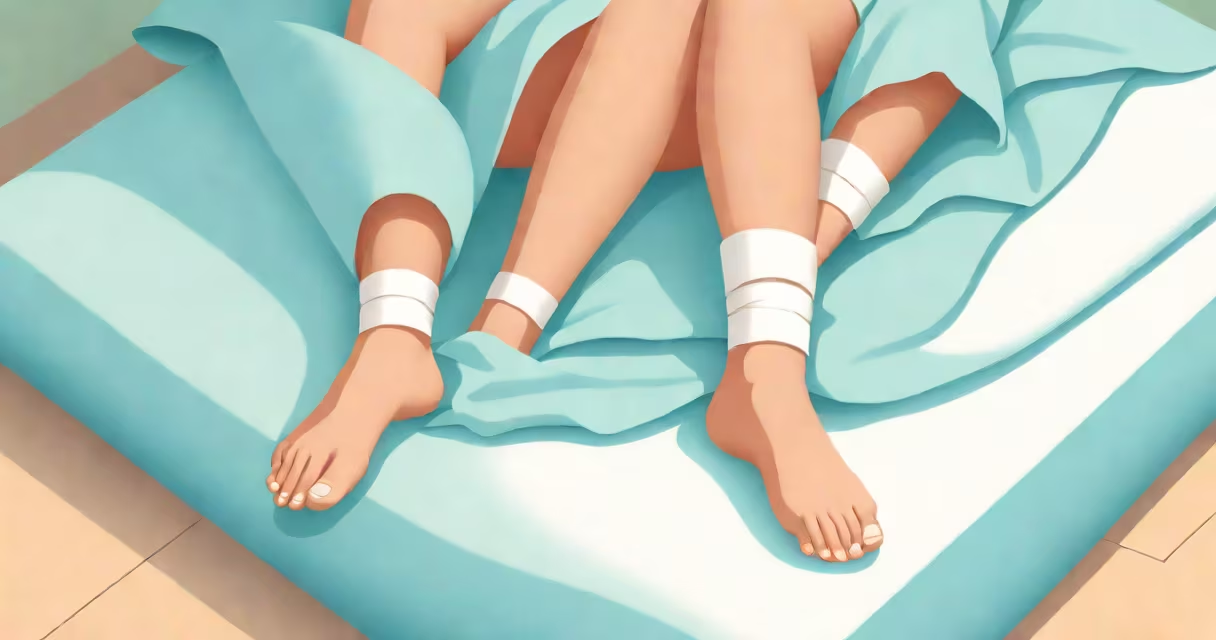
Feet swelling after knee surgery is a frequent postoperative symptom caused by inflammation, fluid accumulation, and reduced mobility. It typically begins within 24 hours of the procedure and may peak around days 3 to 5. Swelling often extends from the surgical site down through the lower leg and into the foot and ankle.
Swelling occurs because surgery disrupts blood vessels and lymphatic drainage. The body responds with increased fluid in tissues near the injury site. This process is normal but can cause discomfort, tightness in footwear, and delayed return to walking. Most cases resolve within 2 to 4 weeks, though some patients report lingering swelling for up to 6 weeks.
A 2021 study published in The Journal of Arthroplasty found that 68% of patients undergoing total knee arthroplasty reported significant swelling in the lower extremity during the first month post-op. Swelling was more pronounced in individuals with pre-existing conditions such as obesity, venous insufficiency, or diabetes. These factors increase the risk of prolonged edema and slow recovery.
Surgical trauma triggers the release of inflammatory mediators like histamine and prostaglandins. These substances increase capillary permeability, allowing plasma to leak into surrounding tissue. As fluid builds up, pressure rises in the interstitial space, leading to visible puffiness in the foot and ankle.
Limited movement after surgery reduces muscle pump activity-the calf muscles normally help push fluid back toward the heart. Without this mechanism, fluid pools in the dependent parts of the limb. Gravity exacerbates the issue, especially when sitting or lying down for extended periods.
Compression garments and elevation are effective because they counteract gravitational pooling and support venous return. A 2019 randomized controlled trial in Orthopedics Today showed that patients using graduated compression stockings had 34% less swelling at day 7 compared to those who did not.
Swelling after knee surgery varies in intensity and pattern. Classifying it helps guide treatment and identify complications.
| Severity Level | Physical Signs | Typical Duration | Management Approach |
|---|---|---|---|
| Mild | Subtle puffiness, no indentation when pressed | 3-7 days | Elevation, light compression, walking as tolerated |
| Moderate | Visible swelling, slight indentation after pressing (pitting) | 1-3 weeks | Compression socks, NSAIDs, physical therapy |
| Severe | Marked swelling, skin stretched, painful to touch, non-pitting | Over 3 weeks | Medical evaluation, possible anticoagulants, wound check |
Non-pitting swelling-where pressure leaves no dent-is a red flag. It suggests fluid is trapped in deeper tissues or may indicate infection, deep vein thrombosis (DVT), or poor circulation. The American Academy of Orthopaedic Surgeons (AAOS) advises seeking immediate care if swelling is sudden, worsening, or accompanied by warmth, redness, or fever.
Many assume swelling after knee surgery is unavoidable and must be endured. While mild swelling is expected, persistent or severe swelling is not normal and warrants medical attention. Delaying evaluation increases the risk of complications like DVT or wound dehiscence.
Another error is relying solely on over-the-counter painkillers. Ibuprofen and naproxen reduce inflammation but do not address fluid retention. They also carry risks for gastrointestinal bleeding and kidney strain, especially in older adults. The FDA warns against prolonged use of NSAIDs post-surgery without physician guidance.
Some patients try home remedies like soaking feet in warm water. This increases blood flow to the area and worsens swelling. Cold compresses applied for 15 minutes every 2 hours during the first 48 hours are more effective at reducing acute inflammation.
John, a 64-year-old man, underwent a left total knee replacement. On day 1 post-op, his foot swelled slightly. By day 3, he noticed his shoe felt tight and his ankle looked puffy. He began elevating his leg above heart level for 30 minutes every 2 hours, wore a compression stocking, and took prescribed ibuprofen twice daily.
By day 7, swelling decreased by about half. He resumed physical therapy exercises under supervision. By week 3, swelling was minimal. However, at week 5, he returned to clinic with new swelling in the right foot. An ultrasound ruled out DVT, but a Doppler scan revealed early-stage venous insufficiency. His doctor adjusted his medication and recommended compression therapy for both legs.
This case illustrates that swelling after knee surgery can be unilateral initially but may spread. Monitoring changes over time is essential.
Feet swelling after knee surgery should improve steadily over time. If swelling worsens after day 5, becomes painful, or spreads beyond the affected limb, contact your surgeon. Sudden onset of swelling in the opposite leg may signal a clot.
Red flags include: fever above 100.4°F, increasing pain despite medication, skin discoloration, or inability to bear weight. The Centers for Disease Control and Prevention (CDC) notes that DVT develops in 1-2% of knee replacement patients within the first 30 days. Early detection prevents life-threatening pulmonary embolism.
Combining elevation, compression, and medication yields the fastest reduction in swelling. Improve the leg above heart level for 20-30 minutes every 2 hours during waking hours. Use pillows or a recliner to maintain position.
Wear compression stockings designed for post-op use. Look for 15-20 mmHg pressure. Avoid tight elastic bands or improper fit, which can restrict circulation. A 2020 study in Journal of Orthopaedic Research found that consistent use of properly fitted compression garments reduced edema volume by 41% over 10 days.
Walking short distances several times a day activates the calf pump. Start with 5-minute walks every 2 hours. Gradually increase duration as tolerated. Physical therapists recommend heel slides and ankle pumps to promote circulation.
I've personally used a portable leg elevation device during recovery. It allows me to rest with my foot elevated while reading or watching TV. The device kept my leg consistently above heart level and cut down on nighttime swelling.
For persistent swelling, consider intermittent pneumatic compression devices. These apply rhythmic pressure to the limb, mimicking muscle contractions. The FDA has approved several models for post-surgical use. One study showed a 52% faster reduction in swelling compared to standard care.
Recovery from knee surgery involves managing multiple systems. Feet swelling after knee surgery is not just a side effect-it's a measurable indicator of healing progress. Addressing it proactively improves comfort, reduces complications, and supports earlier return to function.