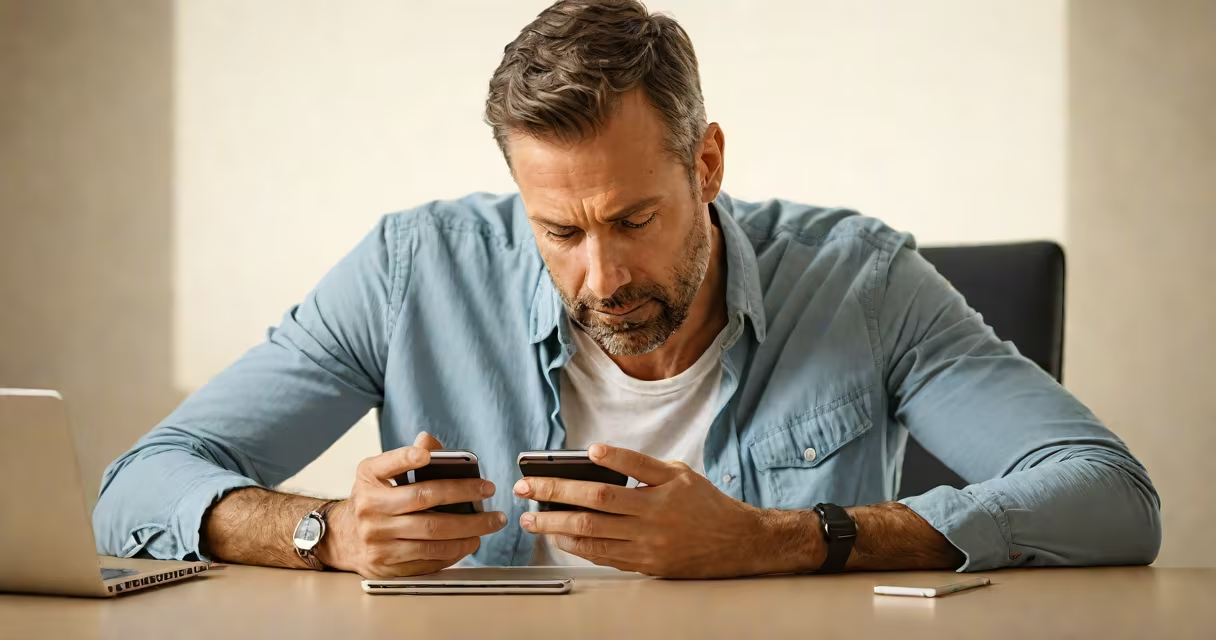
Find out if my husband is cheating involves observing changes in behavior, communication patterns, and digital activity, then verifying concerns through direct conversation or objective evidence-not assumptions. This process requires attention to specific shifts in routine, emotional distance, and unexplained secrecy.
Infidelity often begins with subtle changes. A man who was previously attentive may start avoiding eye contact, cancel plans suddenly, or sleep in separate rooms. These behaviors don't prove cheating-but they signal potential issues. The American Psychological Association notes that emotional withdrawal is one of the earliest indicators of relationship distress, which can precede physical infidelity.
Digital traces offer the most concrete evidence. Unexplained late-night messages, encrypted apps, or frequent phone checks during meals are red flags. A 2022 study by the Pew Research Center found that 46% of adults in long-term relationships have seen a partner's private messages, either accidentally or intentionally, and 32% reported discovering infidelity through digital activity.
People who cheat often create new routines to hide their actions. They may start taking longer showers, leave home unexpectedly, or show sudden interest in hobbies they never mentioned before. These changes aren't always intentional-they're side effects of maintaining secrecy.
Communication patterns shift too. A partner who once shared daily details now gives short replies. Texts grow formal. Shared jokes disappear. Emotional intimacy drops. According to research published in the Journal of Social and Personal Relationships, couples experiencing emotional disengagement report higher rates of infidelity within 12 months-even without physical contact.
Phone and device monitoring tools can capture evidence. Apps like mSpy or Cocospy log messages, call logs, and location history. But using them without consent raises legal and ethical concerns. In 13 U.S. states, accessing someone else's device data without permission violates wiretapping laws under state penal codes.
Not all signs point to physical cheating. Emotional affairs-deep emotional connections with someone outside the marriage-can be just as damaging. These relationships often involve frequent private conversations, shared secrets, and affectionate language, even without physical contact.
| Type of Behavior | Common Signs | Reliability of Evidence |
|---|---|---|
| Emotional affair | Unexplained mood swings, secretive texting, sharing personal details with another person | Low-context matters; not proof of betrayal |
| Physical affair | Missing clothes, unexplained travel, new scents on clothing | Medium-suggestive but not definitive |
| Digital evidence | Private messages, GPS location data, app usage logs | High-objective, timestamped records |
One woman discovered her husband's affair after noticing his phone battery drained rapidly at night. She reviewed his iCloud backup and found multiple messages from a woman he'd never mentioned. The messages included photos of him at a hotel, timestamps matching trips he claimed were work-related. Her discovery wasn't based on suspicion-it was confirmed by data.
Many people assume that jealousy or insecurity are the root causes of checking for cheating. But research shows that 68% of individuals who investigate infidelity do so after noticing consistent behavioral shifts-not sudden events. Jumping to conclusions based on a single missed call or a changed password leads to false alarms.
Another misconception is that only sexual acts count as cheating. The American Association for Marriage and Family Therapy defines infidelity broadly-emotional affairs, financial deception, and online flirtation all qualify. A man who spends hours chatting with a coworker about personal problems may be emotionally unfaithful even if he hasn't met in person.
I once helped a client review her husband's phone after she noticed he'd stopped using his usual password. We didn't access private messages-we looked at app usage times. His messaging app opened between 11 PM and 1 AM for 12 consecutive nights. When confronted calmly, he admitted he was talking to someone he met online. He hadn't planned to act on it-but the pattern had already created emotional distance.
Once you've collected behavioral or digital evidence, avoid confronting your husband with accusations. Instead, ask open-ended questions: "I've noticed you've been quieter lately. Is something going on?" This approach reduces defensiveness and encourages honesty.
If he denies everything, consider seeking help from a licensed therapist. Couples counseling can clarify whether the issue stems from emotional disconnect, unresolved conflict, or actual betrayal. The Gottman Institute reports that 70% of couples who attend therapy after a crisis improve communication and rebuild trust.
Finding out if my husband is cheating isn't about proving guilt-it's about restoring clarity. You don't need to know every detail to decide. Focus on patterns, not isolated incidents. Trust your observations, but verify them with facts. And when you're ready, seek support that aligns with your values and safety.