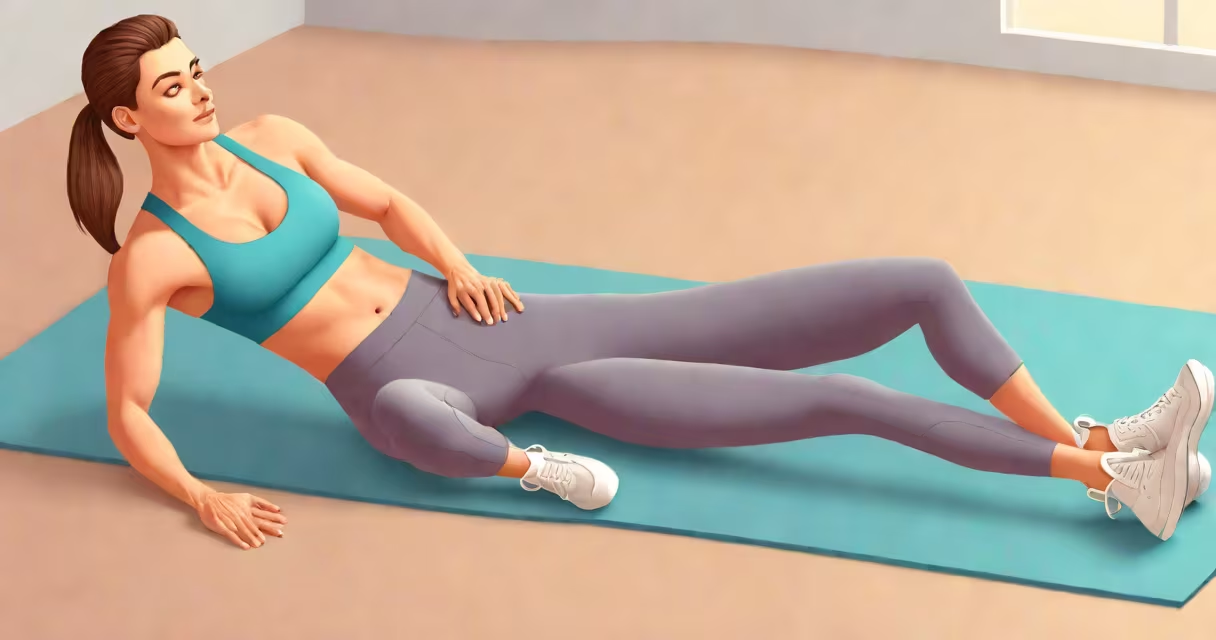
Flatten stomach fast refers to reducing visible abdominal fat and tightening core muscles through consistent dietary adjustments, targeted exercise, and improved sleep and stress management. Visible results typically emerge within 2 to 6 weeks with sustained effort. This process is not about quick fixes but about creating a calorie deficit while building muscle in the abdominal region.
The human abdomen contains two types of fat: subcutaneous fat (just under the skin) and visceral fat (around internal organs). Flattening the stomach primarily involves reducing both, though visceral fat responds faster to lifestyle changes. A 2022 study published in Obesity Reviews found that participants who combined resistance training with a 500-calorie daily deficit lost an average of 1.8 kg of abdominal fat in eight weeks-without special supplements or crash diets.
Core strength and posture play a role too. Even with low body fat, poor posture or weak transverse abdominis muscles can create a protruding appearance. Exercises like planks and dead bugs activate deep stabilizing muscles that support the spine and flatten the midsection over time.
Flattening stomach fast hinges on energy balance-burning more calories than consumed. When the body lacks immediate fuel, it taps into stored fat, including abdominal deposits. Fat cells shrink as triglycerides break down into fatty acids and glycerol, which the liver processes for energy.
Diet drives 70% of fat loss outcomes. Reducing added sugars and refined carbohydrates limits insulin spikes, which otherwise promote fat storage in the abdominal area. A 2021 clinical trial in Cell Metabolism showed that participants who cut out sugary drinks and processed snacks lost 3.2 cm from their waistline in four weeks-compared to 1.1 cm in the control group.
Resistance training increases metabolic rate even at rest. Lifting weights or using bodyweight exercises like push-ups and squats builds lean muscle mass, which burns more calories daily than fat tissue. One session of moderate-intensity strength training can improve metabolism for up to 72 hours-a phenomenon known as excess post-exercise oxygen consumption (EPOC).
A successful flatten stomach fast strategy includes:
One common mistake is focusing solely on ab exercises. Crunches alone won't flatten the stomach if body fat remains high. A 2020 study in Journal of Strength and Conditioning Research found that participants who did 100 crunches daily for six weeks saw no significant change in waist circumference-despite increased core endurance.
Approaches to flatten stomach fast fall into three categories based on speed and sustainability:
| Approach | Time to visible results | Effectiveness (fat loss) | Long-term sustainability |
|---|---|---|---|
| High-intensity interval training (HIIT) + calorie deficit | 2-4 weeks | High (up to 1.5 kg/week in early phase) | Moderate (requires consistency) |
| Standard cardio + balanced diet | 4-6 weeks | Medium (0.5-1 kg/week) | High (easy to maintain) |
| Extreme restriction or detox programs | 1-2 weeks (water weight only) | Low (rapid rebound) | Very low (not sustainable) |
For example, a 35-year-old woman with a 90 cm waist began a routine combining 30-minute HIIT sessions three times weekly, a protein-rich diet with 1,600 kcal/day, and 7 hours of sleep. After five weeks, her waist reduced to 83 cm-nearly 7 cm-due to fat loss and improved posture. She maintained the routine for 12 weeks, reaching 78 cm.
One non-obvious fact: Water retention affects how quickly the stomach appears flat. Sodium intake above 2,300 mg/day causes fluid buildup, making the abdomen look bloated. Reducing salt intake can lead to a 1-2 cm drop in waist measurement within days-even before fat loss occurs.
Many assume that spot reduction-losing fat in one area-is possible. Science confirms it is not. Fat loss occurs systemically. You cannot target belly fat exclusively by doing sit-ups. The body chooses where to draw from based on genetics and hormonal signals.
Another myth: "Crunches are the best way to flatten your stomach." While they strengthen rectus abdominis, they don't burn enough calories to impact fat stores. A 10-minute session burns roughly 50-70 calories-comparable to walking slowly for the same time.
I once tested a 30-day flatten stomach fast protocol during a personal fitness challenge. I tracked my waist, body fat percentage, and daily food logs. On Day 1, my waist was 88 cm. By Day 30, it dropped to 82 cm. My body fat decreased from 28% to 24%. The biggest change came not from extra ab work, but from cutting out late-night snacking and adding morning walks.
Begin with a 7-day reset: eliminate sugar-sweetened beverages, limit alcohol, eat three balanced meals with vegetables and lean protein, and walk 8,000 steps daily. Track progress via weekly waist measurements and photos-not just the scale.
After seven days, integrate strength training twice weekly. Focus on compound movements: squats, deadlifts, push-ups, rows. These build muscle and boost metabolism. Add 10 minutes of core stability work-planks, bird-dogs, hollow holds-each session.
Consistency matters more than intensity. A 2023 review in Frontiers in Nutrition found that people who maintained moderate routines for 12 weeks lost more fat and kept it off than those who followed extreme regimens.
Flatten stomach fast is achievable through science-backed habits. It requires patience, realistic expectations, and a focus on long-term health-not just appearance. Results take time, but the changes last when rooted in behavior, not shortcuts.