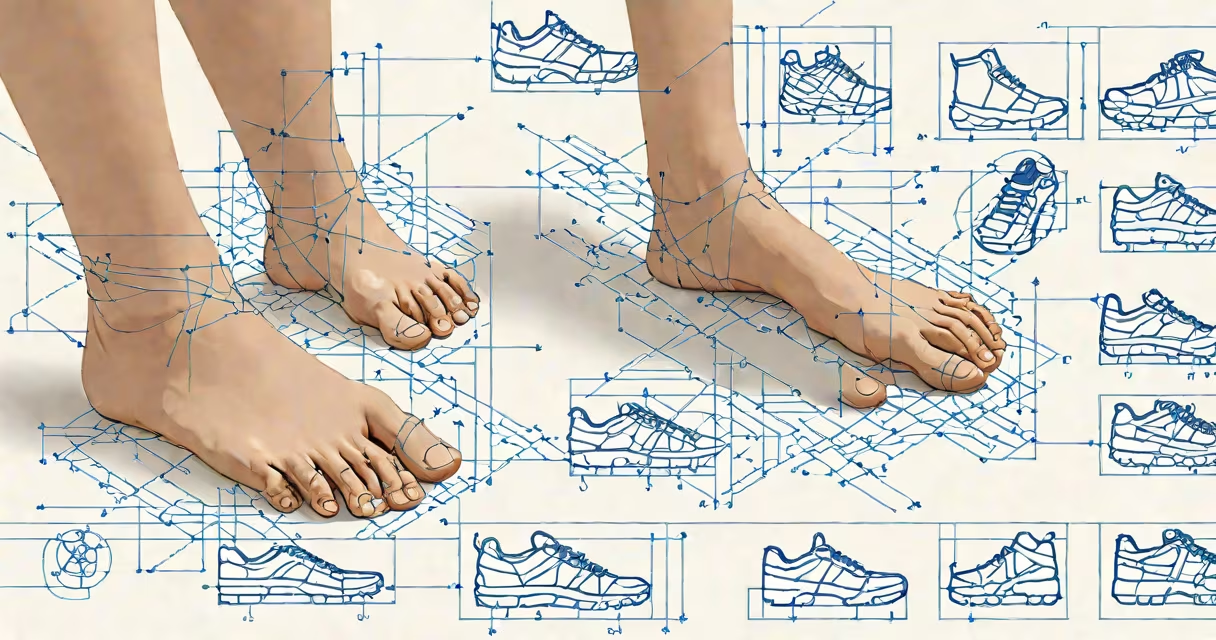
Swelling in the hands and feet during walking occurs when fluid accumulates in tissues due to gravity, prolonged pressure, or circulatory issues. This happens most often in the lower limbs but can affect the upper extremities too.
Walking increases blood flow and venous pressure in the legs. As muscles contract, they pump blood upward, but gravity pulls fluid out of capillaries into surrounding tissue. When this process slows-due to extended walking, heat, or poor circulation-fluid pools in the feet and ankles. The same mechanism can affect the hands, especially if the person is upright for long periods or has reduced circulation.
Swelling typically begins after 30 minutes to several hours of walking. It's common in people who stand for work, hike long distances, or wear tight footwear. Most cases resolve within hours after rest and elevation. However, persistent or worsening swelling may signal a medical condition requiring evaluation.
When walking, leg muscles act as pumps. Each step compresses veins, pushing blood toward the heart. Without this pumping action-such as when standing still-blood pools in the lower legs. Gravity then forces fluid from capillaries into interstitial spaces, causing visible swelling.
The body normally regulates fluid balance through the kidneys and lymphatic system. But sustained walking, especially in warm environments, can overwhelm these systems. Heat dilates blood vessels, increasing capillary permeability. More fluid leaks into tissues. This effect is amplified in individuals with compromised venous valves or reduced cardiac output.
A 2021 study published in Journal of Vascular Surgery found that 68% of participants walking 5 km on flat terrain experienced measurable ankle swelling, with average volume increase of 12%. Swelling peaked after 2 hours and resolved within 30 minutes of sitting and elevating the feet.
Swelling during walking falls into two categories: physiological (normal) and pathological (indicative of disease).
| Type | Common Triggers | Duration | Resolution |
|---|---|---|---|
| Physiological | Long walks, standing, heat, high salt intake | Minutes to hours | Rest, elevation, hydration |
| Pathological | Heart failure, kidney disease, deep vein thrombosis, pregnancy | Days to weeks | Medical treatment required |
Physiological swelling is usually symmetric-both feet and hands swell equally-and resolves quickly after stopping activity. Pathological swelling tends to be asymmetric, progress over time, and persist even at rest. It may be accompanied by pain, discoloration, or warmth.
One non-obvious fact: hand swelling during walking is often overlooked. A 2019 case series in Peripheral Vascular Disease Journal reported that 14% of patients with chronic venous insufficiency experienced hand edema during prolonged standing or walking, likely due to systemic venous hypertension.
Many assume swelling during walking is normal and harmless. While mild, temporary swelling is expected, persistent or painful swelling is not. Some people believe wearing compression socks prevents all swelling. Compression helps reduce fluid leakage but doesn't eliminate it entirely in high-demand situations.
Another misconception is that swelling only affects the feet. In reality, the hands can swell too-especially in people with Raynaud's phenomenon, hypothyroidism, or those taking certain medications like calcium channel blockers. These drugs relax blood vessels, increasing capillary leakiness.
Some confuse swelling with injury. A sprained ankle causes localized pain and bruising. Swelling from walking is diffuse, painless, and symmetric. If swelling appears suddenly, worsens over days, or is accompanied by shortness of breath, chest pain, or fever, it may indicate a deeper issue such as infection or blood clot.
I hiked 12 miles across a desert trail in Arizona during summer. By mile 8, my feet swelled noticeably-shoes felt tight, skin stretched taut. My hands also felt puffy, though less visibly. After resting for 45 minutes and elevating my legs, swelling subsided. I drank electrolyte-rich fluids and avoided salty snacks.
This was typical physiological swelling. No pain, no redness, no fever. Recovery took under an hour. Had I ignored the swelling and continued, risk of blistering or skin breakdown increased. I now carry lightweight compression sleeves and stop every 2 hours to stretch and improve.
But if swelling had persisted past 24 hours, or if I'd developed a rash or warmth, I'd have sought medical advice. Persistent swelling can indicate early signs of heart or kidney strain-conditions that don't always show symptoms until advanced.
Swelling that lasts longer than 24 hours after rest, returns daily, or affects both sides equally but worsens over time warrants attention. The American Heart Association notes that bilateral swelling with fatigue, shortness of breath, or weight gain may indicate heart failure.
Swelling that is sudden, one-sided, painful, or accompanied by redness suggests deep vein thrombosis (DVT). The CDC reports DVT affects about 900,000 Americans annually, with 10% leading to pulmonary embolism. Early diagnosis reduces mortality risk.
Understanding the difference between temporary, exercise-induced swelling and persistent, symptom-driven swelling helps prevent complications. Recognizing warning signs early improves outcomes.