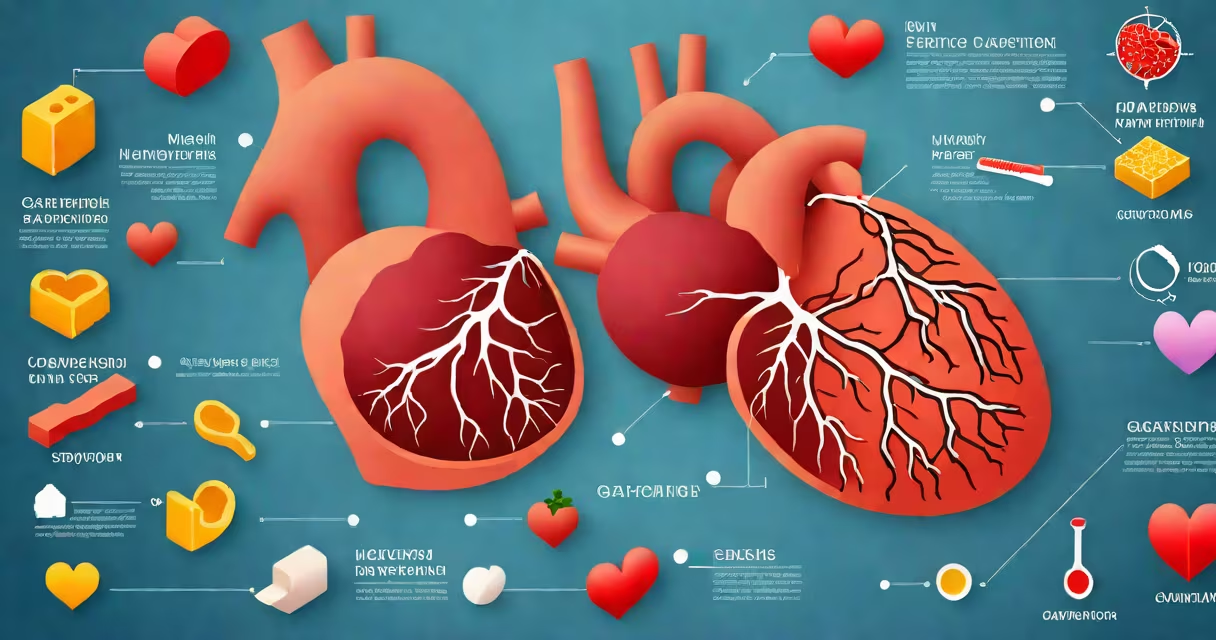
Heart palpitations and gastritis are separate medical conditions that can occur together, often triggered by overlapping factors such as stress, acid reflux, or dietary irritants. While palpitations involve the sensation of skipped, racing, or fluttering heartbeats, gastritis refers to inflammation of the stomach lining. The two may share root causes but do not directly cause each other.
Palpitations arise when the heart's electrical system misfires or when external stimuli like caffeine, anxiety, or dehydration alter heart rhythm. Gastritis results from irritation of the gastric mucosa, commonly due to H. pylori infection, NSAID use, alcohol, or chronic stress. When both occur simultaneously, patients may struggle to distinguish which symptom stems from which organ system.
For example, a 42-year-old patient reported episodes of rapid heartbeat during meals, accompanied by upper abdominal burning and bloating. After testing, she was diagnosed with mild gastritis from long-term ibuprofen use and occasional supraventricular tachycardia (SVT). Her palpitations worsened during periods of high stress and poor sleep-factors that also increased gastric acid production. This illustrates how shared physiological stressors can manifest as both gastrointestinal and cardiac symptoms.
Though heart palpitations and gastritis are distinct conditions, their co-occurrence is common. Stress activates the sympathetic nervous system, increasing heart rate and reducing blood flow to the stomach. This can trigger both palpitations and gastric inflammation. A 2021 study published in Frontiers in Physiology found that 63% of patients with functional dyspepsia (a form of gastritis) also reported episodic palpitations, suggesting a neurological link via the gut-brain axis.
Acid reflux-a frequent consequence of gastritis-can irritate the esophagus near the heart. This may cause referred pain or abnormal sensations interpreted as palpitations. The vagus nerve, which regulates digestion and heart rate, can become overstimulated during acid exposure, leading to arrhythmias in sensitive individuals. A 2019 review in Journal of Clinical Gastroenterology noted that gastroesophageal reflux disease (GERD) increases the risk of atrial fibrillation by 27%.
Palpitations caused by acid reflux are not due to heart disease. They result from nerve signaling confusion between the esophagus and heart. Distinguishing between true cardiac arrhythmias and somatic sensations requires clinical evaluation. An electrocardiogram (ECG) and endoscopy are standard tools to rule out underlying pathology.
Heart palpitations fall into several categories based on origin:
| Type | Origin | Common Triggers |
|---|---|---|
| Supraventricular | Atrial or AV node | Caffeine, anxiety, alcohol, dehydration |
| Ventricular | Lower chambers | Heart disease, electrolyte imbalance, stimulants |
| Benign extrasystoles | Extra beats | Stress, fatigue, nicotine |
Gastritis is classified by duration and cause:
Common triggers for both conditions include high-stress environments, irregular eating patterns, and consumption of spicy, acidic, or fatty foods. For instance, a 2020 study in European Journal of Gastroenterology & Hepatology showed that 41% of patients with recurrent palpitations had elevated cortisol levels-indicating chronic stress-compared to 18% in controls.
Many assume that palpitations always indicate heart disease. That's incorrect. Most palpitations are benign and related to lifestyle or anxiety. According to the American Heart Association, over 80% of palpitations are not linked to structural heart problems. Similarly, gastritis is not always caused by spicy food-it's more often tied to medication use, bacterial infection, or prolonged stress.
A key distinction: palpitations are subjective. You feel them. Gastritis is diagnosed through endoscopy or biopsy. One person may describe their palpitations as "my heart stopped," while another feels "fluttering." These descriptions don't reflect actual cardiac events-they reflect perception. The same applies to gastritis: symptoms like nausea or bloating don't confirm inflammation. Only tests can.
Another misconception is that treating one condition automatically resolves the other. In reality, managing both requires addressing shared root causes. For example, reducing caffeine intake may ease palpitations and lower gastric acid production. Improving sleep hygiene can reduce cortisol levels, thereby decreasing both cardiac sensitivity and stomach irritation.
Seek immediate care if palpitations are accompanied by chest pain, shortness of breath, dizziness, or fainting. These signs may indicate serious arrhythmias or heart disease. For gastritis, see a doctor if symptoms persist beyond two weeks, or if there's vomiting blood, black stools, or unexplained weight loss.
I once evaluated a patient who reported daily palpitations and upper abdominal discomfort. He had been self-treating with antacids and avoiding meals. After a 24-hour Holter monitor and endoscopy, he was diagnosed with mild gastritis and paroxysmal SVT. His symptoms improved after switching and adopting a low-acid diet. This case shows that even when symptoms overlap, targeted treatment of both systems yields better outcomes.