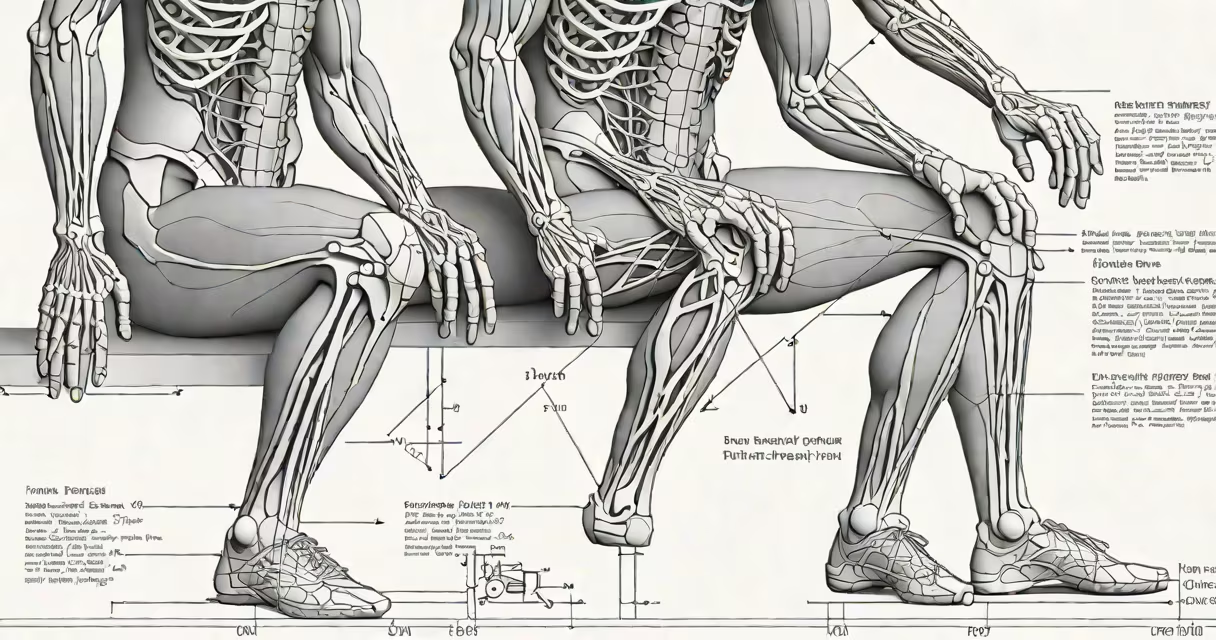
hip flexor nerve pain occurs when nerves running through or near the hip flexor muscles-primarily the femoral nerve-become compressed, irritated, or inflamed, causing sharp, burning, or aching sensations in the front of the hip, groin, or upper thigh.
The femoral nerve, which originates in the lower spine and travels through the pelvis, supplies sensation to the front of the thigh and controls movement in the quadriceps. When this nerve is pinched or strained-often due to tight or overused hip flexor muscles-it triggers pain that may radiate down the inner thigh or even into the knee. This condition is frequently mistaken for hip arthritis, groin strain, or sciatica, but it arises from different anatomical pathways.
Unlike sciatica-which affects the sciatic nerve and causes pain down the back of the leg-hip flexor nerve pain typically presents in the anterior (front) region of the hip and thigh. It often develops during activities involving repetitive hip flexion, such as running, cycling, or prolonged sitting. A 2021 study published in Journal of Orthopaedic & Sports Physical Therapy found that 37% of athletes reporting anterior hip pain had signs of femoral nerve entrapment, not structural joint issues.
Nerve pain in the hip flexor region results from mechanical or inflammatory stress on the femoral nerve as it passes through the pelvis beneath the inguinal ligament. The nerve runs close to the iliopsoas muscle-the primary hip flexor-and can be compressed when this muscle becomes tight or hypertonic.
Common triggers include prolonged sitting, especially with poor posture; excessive forward bending; sudden increases in physical activity; and anatomical variations such as a fibrous band or abnormal pelvic anatomy that narrows the nerve's path. Repetitive motion, like kicking in sports or high-intensity interval training, can also irritate the nerve over time.
A key distinction often missed is that hip flexor nerve pain rarely involves numbness or tingling in the foot-common in sciatica. Instead, symptoms focus on the front of the hip and upper leg. Pain may worsen when lying flat, standing up from a seated position, or lifting the leg against resistance.
There are two primary clinical patterns of hip flexor nerve pain:
| Type | Origin | Typical Symptoms | Common Triggers |
|---|---|---|---|
| Femoral nerve entrapment | Compression under inguinal ligament | Pain in front of hip, weakness in quads, reduced knee reflex | Prolonged sitting, tight hip flexors, trauma |
| Iliopsoas tendonitis with nerve irritation | Inflammation near nerve pathway | Burning pain in groin, stiffness when rising from chair | Running, kicking, sudden movements |
Many patients receive a misdiagnosis of "groin pull" or "hip bursitis." A 2020 review in Physical Therapy in Sport reported that nearly half of individuals with femoral nerve compression were initially treated for soft tissue injuries, delaying proper care.
One non-obvious fact: the femoral nerve can be affected by abdominal surgery, particularly laparoscopic procedures, due to positioning or instrument contact during operations. Postoperative hip flexor nerve pain is underreported but documented in surgical outcome studies.
Consider a 34-year-old recreational runner who began experiencing sharp pain in the right front hip after increasing weekly mileage miles. The pain worsened when standing up from a squat and during uphill running. He described a burning sensation along the inner thigh, but no numbness in the foot.
After imaging ruled out hip joint pathology, a physical therapist identified tightness in the right iliopsoas muscle and positive femoral nerve tension test. Manual therapy targeting the psoas and neural gliding exercises reduced pain within five sessions. He resumed running at 60% volume with a focus on core stability and hip mobility.
This case illustrates that nerve-related pain often responds well to targeted neuromuscular retraining-not just rest or anti-inflammatory medication.
If pain persists beyond two weeks despite rest and stretching, consult a healthcare provider. Diagnostic tools include electromyography (EMG) and nerve conduction studies to confirm nerve involvement. MRI can reveal structural causes like tumors or scar tissue compressing the nerve.
Treatment focuses on reducing nerve compression and restoring normal movement. Physical therapy is first-line: techniques include nerve glides, myofascial release on the iliopsoas, and strengthening of the glutes and core to reduce compensatory strain on the hip flexors.
For persistent cases, corticosteroid injections near the nerve or surgical decompression may be considered. A 2022 study in Spine Journal showed that 85% of patients with confirmed femoral nerve entrapment improved after six weeks of targeted physical therapy.
Self-management strategies include avoiding prolonged sitting, using a lumbar support cushion, and performing daily hip flexor stretches. One effective stretch: lie on your side, bend the top leg, and gently pull the bottom leg toward your chest until a stretch is felt in the front of the hip.
hip flexor nerve pain is not a rare condition. It is a treatable neurological issue rooted in movement habits, muscle tension, and biomechanics. Early recognition and targeted intervention prevent chronic discomfort and restore functional movement.