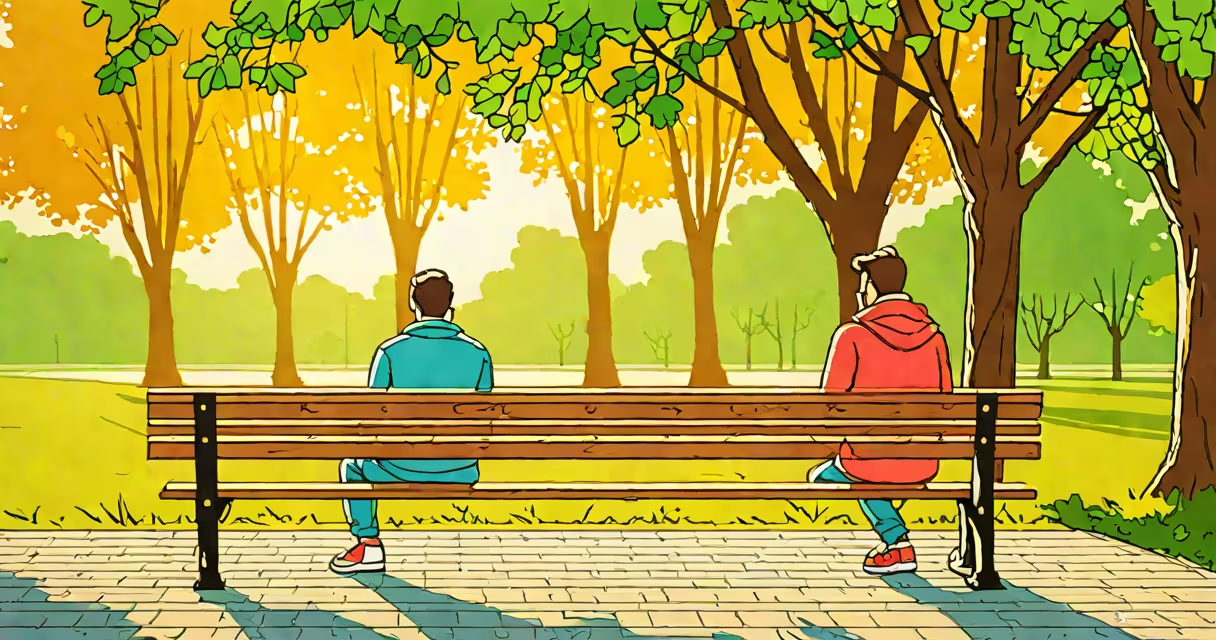
Feeling less lonely involves replacing isolation with intentional connection-through small, consistent actions that rebuild your sense of belonging, even when alone. This includes reaching out to others, engaging in shared activities, and shifting internal habits that amplify loneliness.
Loneliness is not simply being alone-it's the gap between the social connection you want and what you have. The National Institute of Mental Health defines it as "a distressing feeling that arises when people perceive a lack of meaningful relationships." That perception triggers stress responses, weakens immunity, and increases risk for depression and heart disease. The CDC reports that nearly half of U.S. adults report frequent loneliness, a level not seen since the early 2000s.
Feeling isolated doesn't mean you're unlovable or unworthy. It often reflects mismatched expectations-wanting deeper ties than your current environment supports. The solution isn't always bigger social circles. Sometimes, it's better quality interactions, even with one person.
When you feel disconnected, your brain activates threat systems similar to those triggered by physical pain. A 2017 study published in *Nature Human Behaviour* showed that social exclusion lights up the same brain regions as physical injury-specifically the anterior cingulate cortex. This explains why loneliness feels painful, not just sad.
The body responds with elevated cortisol and reduced oxytocin. Over time, chronic loneliness alters sleep patterns, suppresses immune function, and raises blood pressure. Research from the University of Chicago found that long-term loneliness increases mortality risk by 26%, comparable to smoking five cigarettes a day.
But the brain also adapts. Regular positive social contact strengthens neural pathways linked to trust and empathy. Even brief daily interactions-like a 30-second chat with a barista-can lower stress markers and improve mood. The key is consistency, not intensity.
Start with micro-actions. Instead of aiming for "make more friends," try: "text one person I haven't spoken to in a week." Small gestures build momentum. A 2021 study in *Journal of Social and Personal Relationships* found that people who sent one appreciative message per day reported lower loneliness after four weeks.
Join low-pressure groups centered around shared interests. Libraries, book clubs, volunteer organizations, or hobby meetups offer structure without high expectations. For example, a local knitting circle in Portland, Oregon, saw 78% of new members report reduced loneliness within three months-not because they became experts, but because they showed up regularly.
Use technology intentionally. Video calls with family or old friends are more effective than texting. A 2020 study in *Computers in Human Behavior* showed that video interaction increased perceived closeness by 40% compared to voice-only or text-based communication.
Many assume loneliness means being physically alone. But you can feel isolated in a crowded room. A 2018 survey by Cigna found that 61% of Americans felt lonely despite living with others, including partners and children.
Another myth: loneliness is a personal failing. It's not. It's a signal-like hunger or thirst-that something is missing. The World Health Organization classifies loneliness as a public health concern due to its widespread impact on mental and physical health.
Some people mistake solitude for loneliness. Solitude-the choice to be alone-is often restorative. A 2019 study in *Personality and Social Psychology Bulletin* found that people who chose to spend time alone reported higher life satisfaction than those who avoided it. The difference lies in intention: loneliness is unwanted separation; solitude is chosen peace.
Not all social contact reduces loneliness equally. Research shows that depth matters more than frequency. Here's how different types compare:
| Type of Connection | Impact on Loneliness | Best For |
|---|---|---|
| Superficial chat (e.g., small talk) | Low - temporary mood lift | Quick energy boost, routine interactions |
| Emotional sharing (e.g., "I've been stressed lately") | High - builds trust and safety | Deepening existing relationships |
| Shared activity (e.g., cooking together, hiking) | Medium-high - creates bonding memories | Meeting new people, building rapport |
| Supportive listening (e.g., "Tell me more about that") | Very high - reduces perceived isolation | Healing emotional wounds, processing grief |
For lasting relief, prioritize emotional sharing and shared experiences. A 2022 meta-analysis in *Psychological Science* confirmed that people who engaged in at least one weekly conversation involving vulnerability reported a 35% drop in loneliness over six months.
If loneliness persists despite effort, it may be tied to depression, anxiety, or trauma. The American Psychological Association notes that persistent loneliness can mimic clinical depression, especially when accompanied by fatigue, poor concentration, or loss of interest in usual activities.
I once spent a winter in a small apartment in Minneapolis, working remotely, with no close friends nearby. I tried calling people daily, joined online forums, and walked past coffee shops hoping to strike up a conversation. Nothing changed. Then I spoke with a therapist who asked, "What do you need from another person?" The answer wasn't friendship-it was validation. Once I started asking for that directly, even in tiny ways, my loneliness shifted from a burden to a signal.
Therapy isn't a last resort. It's a tool. Cognitive Behavioral Therapy (CBT) helps reframe distorted thoughts like "No one cares" or "I'm too much trouble." A 2020 trial in *The Lancet Psychiatry* showed that CBT reduced loneliness scores by 50% in participants after eight sessions.
Feeling less lonely begins with action-not waiting for motivation. Start with one small, consistent step: send a message, attend a single event, or ask someone how their day went. These aren't fixes-they're signals to your brain that you belong.
Loneliness is not a character flaw. It's a human experience shaped by biology, culture, and environment. The path forward isn't about becoming more social-it's about building connections that feel real, even if they're small.