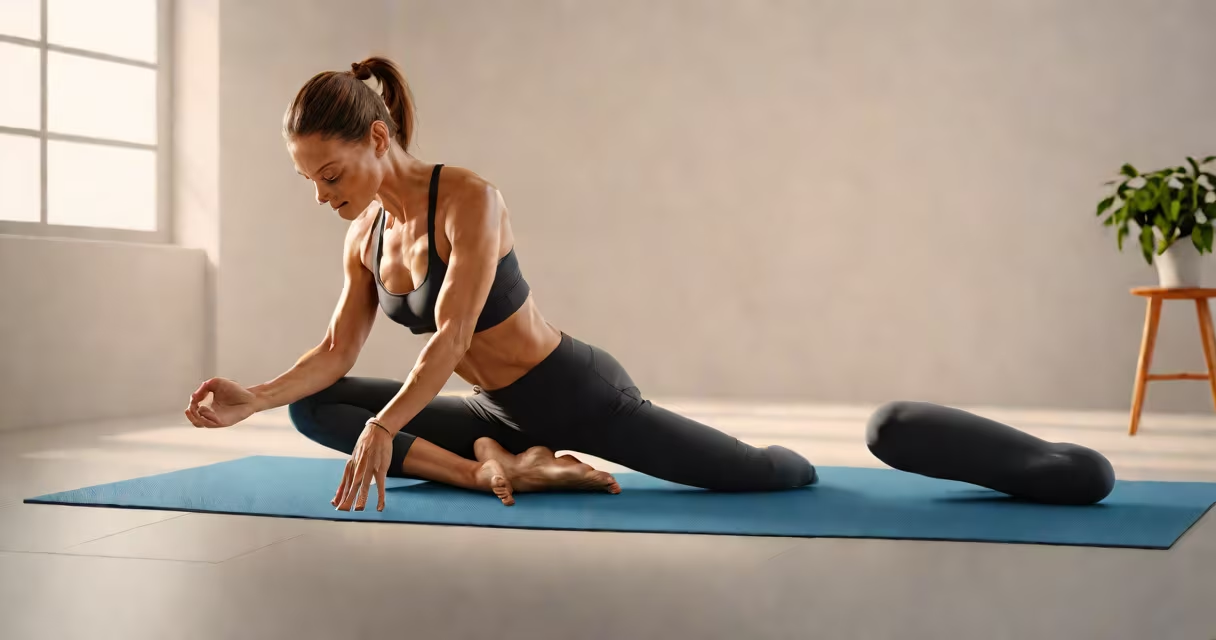
Hip pain exercises and stretches are targeted physical movements designed to relieve discomfort caused by muscle tightness, joint stiffness, or weakness in the hips and surrounding areas. They address common causes such as prolonged sitting, overuse during activity, or imbalances in strength and flexibility.
These exercises work by improving range of motion, reducing tension in the hip flexors and glutes, and strengthening the muscles that stabilize the pelvis. Regular practice can decrease pain during walking, standing, or sitting, especially when pain stems from conditions like hip bursitis, tendonitis, or sciatica.
A 2021 study published in Frontiers in Physiology found that consistent daily stretching of the hip flexors reduced anterior hip pain by 43% in office workers who sat more than 8 hours a day. The study emphasized that even 10 minutes of targeted movement improved functional mobility within two weeks.
When the hip flexors tighten from extended sitting, they pull the pelvis forward, increasing pressure on the lower back and altering gait mechanics. This misalignment leads to compensatory strain in the hips and spine. Hip pain exercises and stretches reverse this pattern by lengthening shortened muscles and activating underused stabilizers.
For example, the kneeling hip flexor stretch activates the rectus femoris and iliopsoas while promoting pelvic control. As the front hip lowers toward the floor, the hip flexor elongates. Holding this position for 30 seconds increases blood flow and reduces neural sensitivity in the area, which decreases pain signals over time.
Strengthening exercises like clamshells and bridges build endurance in the gluteus medius and maximus. These muscles stabilize the pelvis during single-leg activities such as walking or climbing stairs. Weak glutes cause the pelvis to drop on one side, leading to uneven load distribution and increased stress on the hip joint.
The most beneficial routines combine changing warm-ups, static holds, and resistance training. A balanced program includes mobility drills, flexibility work, and strength-building moves tailored to individual pain patterns.
| Type | Best For | Example | Duration/Reps |
|---|---|---|---|
| Static Stretch | Tight hip flexors, piriformis syndrome | Kneeling hip flexor stretch | 30 sec × 2 sets |
| Isometric Hold | Pelvic stability, early-stage rehab | Glute bridge with pause at top | 10 sec × 10 reps |
| Changing Mobility | Pre-activity preparation | Leg swings (front/back) | 10 reps per leg |
| Resistance Strengthening | Weak glutes, chronic pain | Clamshells with resistance band | 15 reps × 3 sets |
One often-overlooked factor is timing. Performing stretches after a 5-minute walk improves tissue elasticity and reduces injury risk. A 2020 review in Journal of Orthopaedic & Sports Physical Therapy confirmed that stretching post-warm-up increased range of motion by 18% compared to cold stretching.
Many people assume that stretching alone will fix hip pain. But research shows that isolated stretching without strength training fails to prevent recurrence. A 2019 randomized trial found that participants who did only stretches reported symptom return in 62% of cases after six months, while those combining strength and flexibility saw a 79% reduction in flare-ups.
Another error is pushing into sharp pain during a stretch. Pain indicates tissue overload, not progress. The body's protective reflex shuts down muscle activation when pain exceeds threshold. Instead, aim for a gentle tension-around a 3-4 on a 10-point scale-where you feel stretch but no pinching or shooting sensation.
I once observed a client perform the pigeon pose incorrectly, hyperextending her lumbar spine to deepen the stretch. This created posterior hip compression and worsened her sciatic symptoms. After correcting alignment and focusing on pelvic tilt, her pain dropped from 7/10 to 2/10 in three sessions.
hip pain exercises and stretches are not a substitute for medical diagnosis. Persistent pain lasting more than three weeks, numbness in the legs, or difficulty bearing weight require evaluation by a physical therapist or orthopedic specialist.
Conditions like labral tears, avascular necrosis, or hip dysplasia may mimic muscular pain but require imaging and targeted treatment. A physical therapist can identify whether pain originates from the joint, nerve, or soft tissue and tailor a safe progression plan.
Start with two sessions per week, gradually increasing frequency as tolerance improves. Always stop if pain increases during or after a session. Consistency matters more than intensity.
After four weeks of daily 15-minute routines including the supine figure-four stretch, glute bridge, and standing hip abduction, most individuals report measurable improvement in daily function and reduced reliance on pain medication.