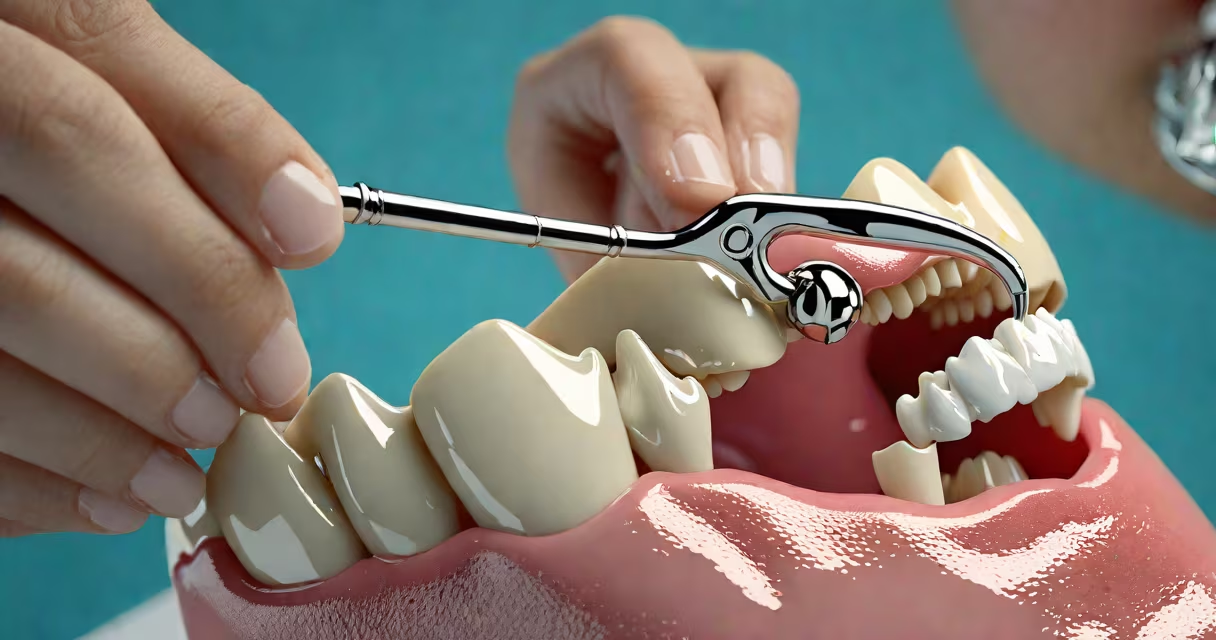
Tooth extraction typically causes mild to moderate discomfort, not severe pain, during and shortly after the procedure. Most patients describe pressure, pushing, or tugging sensations rather than sharp pain. Local anesthesia blocks nerve signals, making the surgical phase nearly pain-free.
After the anesthetic wears off, soreness increases over the first 24 hours. Pain peaks around 6-12 hours post-op and usually subsides within 3-5 days. The intensity depends on extraction complexity-simple extractions cause less discomfort than impacted wisdom teeth. Over-the-counter pain relievers reduce symptoms effectively in 90% of cases, according to the American Dental Association (ADA).
Patients often fear extreme pain due to media portrayals or anecdotal stories. However, clinical data shows only 5-10% of patients rate their post-extraction pain above a 7/10 on standard pain scales. Factors like anxiety, prior dental trauma, or infection increase perceived pain, but not necessarily actual tissue damage.
Dentists begin by numbing the area with local anesthetic-lidocaine or articaine-administered via injection. Once numb, the dentist uses instruments like elevators and forceps to loosen and remove the tooth. For impacted teeth, a small incision may be needed to access the root. The entire process takes 15-45 minutes depending on complexity.
Anesthesia blocks pain signals from reaching the brain. You may feel pressure or vibration, but not pain. If you do feel pain during the procedure, inform your dentist immediately-they can adjust the anesthetic dose. Afterward, the area remains numb for 2-4 hours, then gradually returns to normal sensation.
A common misconception is that the extraction itself hurts. In reality, the most intense discomfort occurs afterward, when swelling and inflammation develop. The body's natural response to tissue disruption triggers pain receptors in the jawbone and surrounding gum tissue.
Extractions fall into two categories: simple and surgical. Simple extractions involve visible teeth that can be removed with forceps. Surgical extractions require cutting into gum tissue and removing bone to extract teeth-common with wisdom teeth or broken roots.
| Type | Pain Level (0-10) | Recovery Time | Common Causes of Discomfort |
|---|---|---|---|
| Simple extraction | 2-4 | 1-3 days | Pressure during removal, minor bleeding, swelling |
| Surgical extraction | 5-7 | 5-7 days | Tissue trauma, bone exposure, dry socket risk |
Wisdom tooth extractions rank among the most painful dental procedures. A 2021 study in the Journal of Oral and Maxillofacial Surgery found that 68% of patients reported moderate to severe pain after third molar removal, compared to 32% after other extractions. This difference stems from deeper positioning, complex root anatomy, and proximity to nerves.
Non-obvious fact: The pain from a dry socket-where the blood clot dislodges-is not from the extraction site itself, but from exposed bone and nerve endings. It feels like a dull, throbbing ache radiating to the ear. Dry sockets occur in about 1-3% of cases but account for disproportionate suffering due to their persistence and intensity.
Many assume extraction pain equals the pain of a broken tooth or abscess. But those conditions stem from ongoing infection or nerve irritation. Extraction removes the source of that pain. Post-op soreness is temporary and manageable-unlike chronic dental infections.
Another confusion arises from comparing dental pain to childbirth or surgery. While both involve tissue disruption, dental extractions are shorter, less invasive, and performed under controlled anesthesia. The average extraction takes less time than a routine filling. Recovery is faster than many people expect.
I once watched a patient leave the clinic after a lower wisdom tooth extraction. She had been anxious for weeks, convinced she'd "bleed out" or "never feel normal again." Within 90 minutes, she was eating ice cream and laughing. Her pain score at 4 hours post-op was 2/10. She later told me, "I thought it would be worse. It wasn't even close."
Post-extraction pain follows a predictable pattern. The first 24 hours are critical. Swelling peaks at 48 hours. By day 3, most patients report significant improvement. Over-the-counter medications like ibuprofen (600 mg every 6 hours) or acetaminophen (1000 mg every 6 hours) control pain in 90% of cases.
Do not take aspirin-it increases bleeding risk. Avoid straws, smoking, and vigorous rinsing for 24 hours. These actions disrupt the blood clot forming in the socket. Clot loss leads to dry socket-a condition requiring treatment and causing intense pain.
If pain exceeds 7/10 after 48 hours, or worsens instead of improving, contact your dentist. Signs of infection-fever, pus, persistent swelling-require antibiotics. The ADA recommends seeking care if pain lasts longer than 5 days without improvement.
For patients with high dental anxiety, sedation options exist. Conscious sedation (oral or IV) allows you to remain awake but relaxed. General anesthesia is available for complex cases or patients with medical conditions. These methods don't eliminate pain but reduce fear, which lowers perceived pain levels.
Most pain resolves within 3-5 days. If pain persists beyond 7 days, especially with worsening swelling or fever, consult your dentist. Persistent pain may indicate infection or incomplete healing. A follow-up visit may include imaging to check for retained root fragments or bone spurs.
Some patients experience referred pain-aches spreading to the temple, neck, or shoulder. This is normal and typically resolves within 48 hours. However, if pain spreads to the eye or face, seek immediate evaluation to rule out sinus involvement or nerve injury.
Remember: pain is subjective. What feels unbearable to one person may be tolerable to another. Your dentist can adjust medication based on your response. Never delay care because you're afraid of pain-modern dentistry minimizes discomfort through precise techniques and proven protocols.