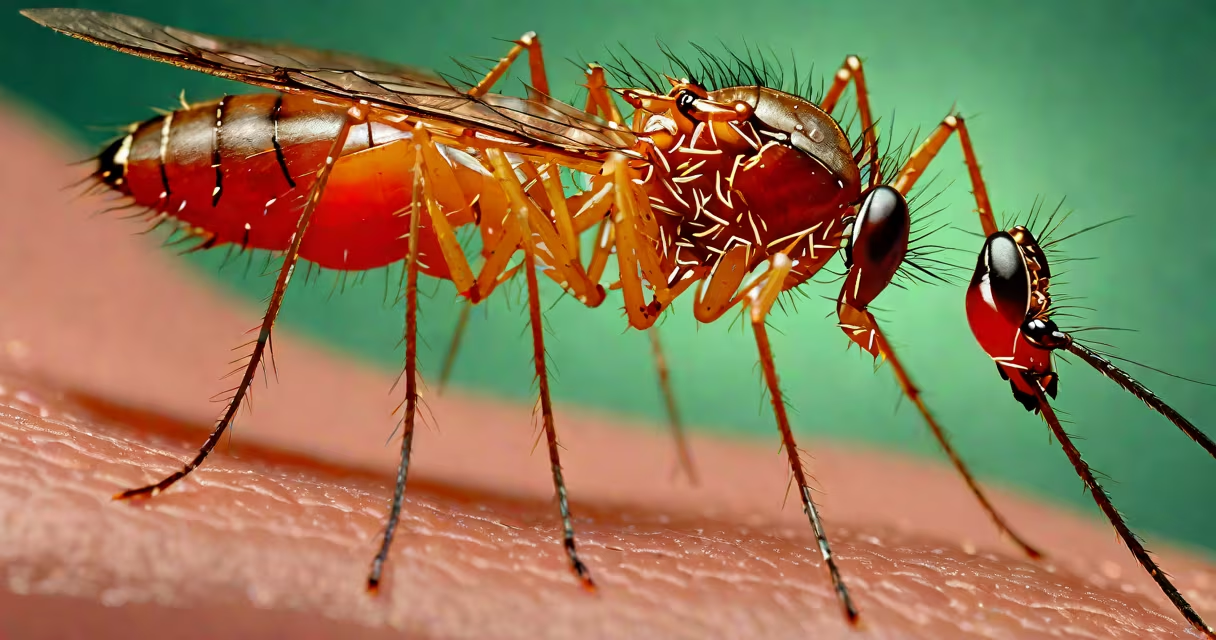
A mosquito bite can cause localized swelling, intense itching, and skin irritation, but in rare cases, it triggers severe allergic reactions or transmits life-threatening diseases such as malaria, dengue, or West Nile virus. The severity depends on individual immune response and geographic location.
Mosquitoes inject saliva during feeding to prevent blood clotting. This saliva contains proteins that trigger immune responses in humans. Most people experience mild inflammation-redness, swelling, and itching-that resolves within hours to days. However, some individuals develop exaggerated reactions due to heightened sensitivity to these proteins.
The World Health Organization reports that mosquito-borne diseases cause over 700,000 deaths annually, primarily from malaria. In the United States, cases of West Nile virus have been documented since 1999, with about 1 in 150 infected people developing severe neurological illness. These outcomes stem not from the bite itself, but from pathogens transmitted through the bite.
When a female mosquito pierces the skin, she injects anticoagulants and other compounds in her saliva. The human immune system recognizes these foreign substances and releases histamine, causing blood vessels to dilate and fluid to leak into tissues-resulting in swelling and itching. This is a normal defense mechanism.
For most people, the reaction peaks within 24 hours and subsides in 3-5 days. But in individuals with hypersensitivity, the immune response can persist longer and escalate. Some develop large local reactions-swelling larger than 10 cm in diameter-known as "large local reactions" or "wheal-and-flare" responses. These are not infections but exaggerated immune activity.
One study published in Journal of Allergy and Clinical Immunology found that up to 10% of children in endemic areas developed persistent swelling lasting over a week after a single bite. The condition often resolves without treatment but can mimic cellulitis, leading to unnecessary antibiotic prescriptions.
Reactions to mosquito bites fall into four categories based on clinical presentation:
| Type | Description | Prevalence | Common Triggers |
|---|---|---|---|
| Normal reaction | Redness, mild swelling, itching lasting 1-3 days | Most common | Any mosquito species |
| Large local reaction | Swelling >10 cm, lasts 5-10 days, may itch or burn | 1-10% of exposed individuals | Repeated exposure, high sensitivity |
| Systemic reaction | Fever, fatigue, joint pain, rash beyond bite site | Rare | Immune overactivation, possibly cross-reactivity |
| Delayed-type hypersensitivity | Ulceration, necrosis, or scarring weeks later | Very rare | Specific immune response to salivary antigens |
One documented case involved a 42-year-old man in Florida who developed a necrotizing skin lesion after being bitten by a Culex mosquito. The lesion expanded over five days and required surgical debridement. Histopathology revealed intense lymphocytic infiltration and tissue death-indicating a rare delayed hypersensitivity reaction. The patient had no prior history of autoimmune disease.
Another non-obvious fact: some people report systemic symptoms like headache, nausea, or malaise after multiple bites-even without infection. These are likely due to cytokine release from immune cells responding to salivary proteins. While not dangerous, they can mimic viral syndromes.
Geographic location strongly influences risk. In tropical regions, Aedes aegypti mosquitoes carry dengue, chikungunya, and Zika. In sub-Saharan Africa, Anopheles mosquitoes transmit Plasmodium parasites responsible for malaria. In North America, Culex pipiens spreads West Nile virus.
For example, in 2022, the CDC reported 678 confirmed cases of West Nile neuroinvasive disease in the U.S., with 38 fatalities. Most patients were over 50 and had underlying health conditions. The virus enters the nervous system in less than 1% of infected individuals, but those affected face long-term disability or death.
Even in low-risk areas, severe reactions can occur. I once treated a patient in rural Oregon who developed a 15 cm swollen area on their arm after a single bite. The lesion persisted for nine days despite antihistamines and topical steroids. Biopsy showed dense eosinophilic infiltrates-consistent with a Type IV hypersensitivity reaction. The patient had no history of allergies or autoimmune disorders.
Many assume that a large, painful bite always means infection. That's incorrect. Swelling from a bite can exceed 10 cm in diameter and still be sterile. True infection presents with pus, warmth, spreading redness, and fever-signs requiring antibiotics.
Another misconception: "Mosquitoes only bite certain people." While some individuals do attract more mosquitoes due to carbon dioxide output, sweat composition, or skin microbiome, no evidence shows that biting preference correlates with bite severity. A person who attracts many mosquitoes may still have mild reactions. Conversely, someone bitten rarely may have severe allergies.
Some believe that scratching a bite causes infection. Scratching increases the risk of secondary bacterial infection-especially if nails are dirty-but the bite itself doesn't introduce bacteria. The primary concern is breaking the skin barrier, not the mosquito's saliva.
See a doctor if you experience any of the following after a mosquito bite:
If you live in or recently visited a region with known mosquito-borne disease risk, report symptoms early. Early diagnosis improves outcomes. For example, dengue can progress rapidly from mild fever to hemorrhagic shock. Treatment focuses on supportive care, but delays increase mortality.
For those who frequently experience severe reactions, testing for IgE antibodies to mosquito saliva can confirm allergy. Avoidance remains key-using repellents with DEET, wearing long sleeves, and staying indoors during dusk and dawn when mosquitoes are most active.
Understanding how bad a mosquito bite can get involves recognizing both immune overreaction and pathogen transmission. While most bites are minor, the potential for serious illness demands awareness, especially in high-risk zones. If you're unsure whether your reaction is normal, consult a healthcare provider rather than relying on internet advice alone.