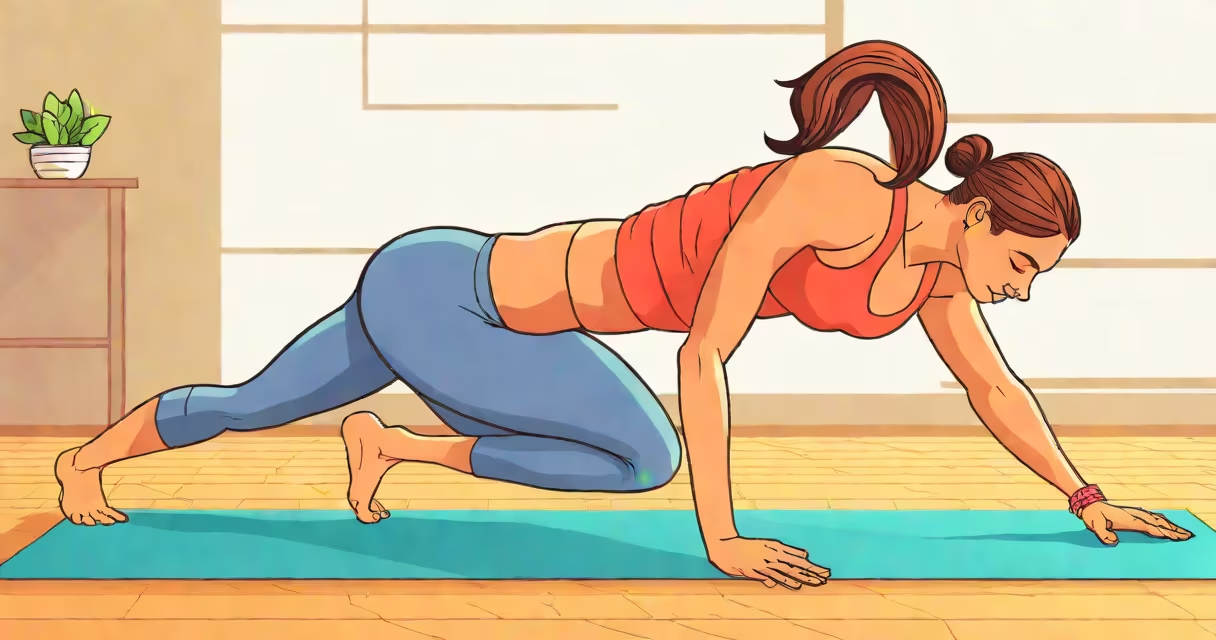
Burning stomach fat quickly involves reducing visceral fat through consistent calorie deficit, resistance training, and dietary changes that lower insulin levels. This process cannot be targeted solely to the abdomen, but fat loss leads to reductions in abdominal fat stores.
Visceral fat surrounds internal organs and is linked to higher risks of heart disease, type 2 diabetes, and metabolic syndrome. Unlike subcutaneous fat under the skin, visceral fat responds strongly to lifestyle interventions. A 2021 study published in Obesity found that participants who combined aerobic exercise with strength training lost 16% more visceral fat than those who only did cardio over 12 weeks.
Many people assume they can "spot reduce" belly fat by doing sit-ups or crunches. This is incorrect. Fat loss occurs systemically, not locally. The body draws energy from fat stores throughout the body during caloric deficit, regardless of which muscle group is exercised. You cannot choose where fat is burned.
When you create a calorie deficit-consuming fewer calories than your body burns-it begins using stored fat for fuel. Adipose tissue releases fatty acids into the bloodstream, which are then transported to cells throughout the body and oxidized for energy. This process happens uniformly across fat depots, including the abdomen.
High-intensity interval training (HIIT) accelerates fat oxidation by increasing post-exercise oxygen consumption (EPOC), meaning your body continues burning calories after the workout ends. A 2019 meta-analysis in Journal of Obesity showed HIIT led to greater reductions in waist circumference compared to steady-state cardio, even when total energy expenditure was similar.
Insulin plays a key role in fat storage. High insulin levels promote fat storage and inhibit fat breakdown. Diets high in refined carbohydrates spike insulin, making it harder to access fat stores. Reducing sugar and processed carbs stabilizes insulin and improves fat mobilization.
The most effective way to burn stomach fat quickly combines diet, exercise, sleep, and stress management. Focus on sustainable habits rather than short-term fixes.
A 2020 clinical trial from Harvard Medical School tracked 120 adults over six months. Those who followed a Mediterranean-style diet rich in fiber, olive oil, nuts, and fish while engaging in daily movement lost more visceral fat than control groups, even without intentional weight loss.
People often believe that drinking certain beverages or taking supplements can "melt" belly fat overnight. There is no evidence that any drink selectively targets abdominal fat. While some drinks may support metabolism-such as green tea or black coffee-they do not cause rapid fat loss on their own.
Another myth is that doing thousands of crunches will flatten the stomach. Crunches build abdominal muscle but don't remove the layer of fat covering them. A toned core becomes visible only when body fat percentage drops below 15% for women and 10% for men.
One non-obvious fact: the rate of fat loss slows over time due to metabolic adaptation. As you lose weight, your resting metabolic rate decreases. This means you must adjust calorie intake or increase activity level to continue losing fat. Failing to account for this leads to plateaus.
Consider a 38-year-old woman weighing 175 pounds with a waist measurement of 38 inches. She begins a structured plan:
After eight weeks, she loses 12 pounds, with 8 pounds coming from fat. Her waist shrinks to 34 inches-a 4-inch reduction. Blood tests show improved insulin sensitivity and lower triglycerides. Her clothes fit better, and she reports increased energy.
| Factor | Change Made | Impact on Fat Loss |
|---|---|---|
| Diet | Eliminated added sugar and replaced refined grains with whole grains | Reduced insulin spikes, improved fat mobilization |
| Exercise | 30-minute walk + 20-minute strength circuit, 5x/week | Increased EPOC, preserved muscle mass |
| Sleep | Consistent 7.5-hour schedule | Normalized ghrelin and leptin levels |
| Stress | 10-minute daily meditation | Lowered cortisol, reduced emotional eating |
This case shows that rapid results come from combining multiple behavioral changes-not relying on one magic solution.
Some people mistake temporary water weight loss from low-carb diets for fat loss. Cutting carbs reduces glycogen stores, which bind water. A 10-pound drop in the first week may be mostly water, not fat. True fat loss typically averages 0.5-1 pound per week with sustainable methods.
Another confusion: believing that intense workouts are required for success. While HIIT is effective, daily movement such as walking 8,000-10,000 steps also contributes to calorie expenditure and long-term adherence.
I once tested a 30-day challenge involving only 10-minute daily home workouts and meal prep. After 30 days, I lost 6 pounds and reduced my waist size by 2 inches. The change wasn't dramatic, but it was consistent and maintainable-key factors for lasting results.
Begin with small, measurable actions:
These adjustments create momentum without overwhelming you. Small changes compound over time.
There is no shortcut to burning stomach fat quickly. Success comes from consistency, realistic expectations, and evidence-based choices. Focus on building habits that align with your biology-not chasing quick fixes that fail.