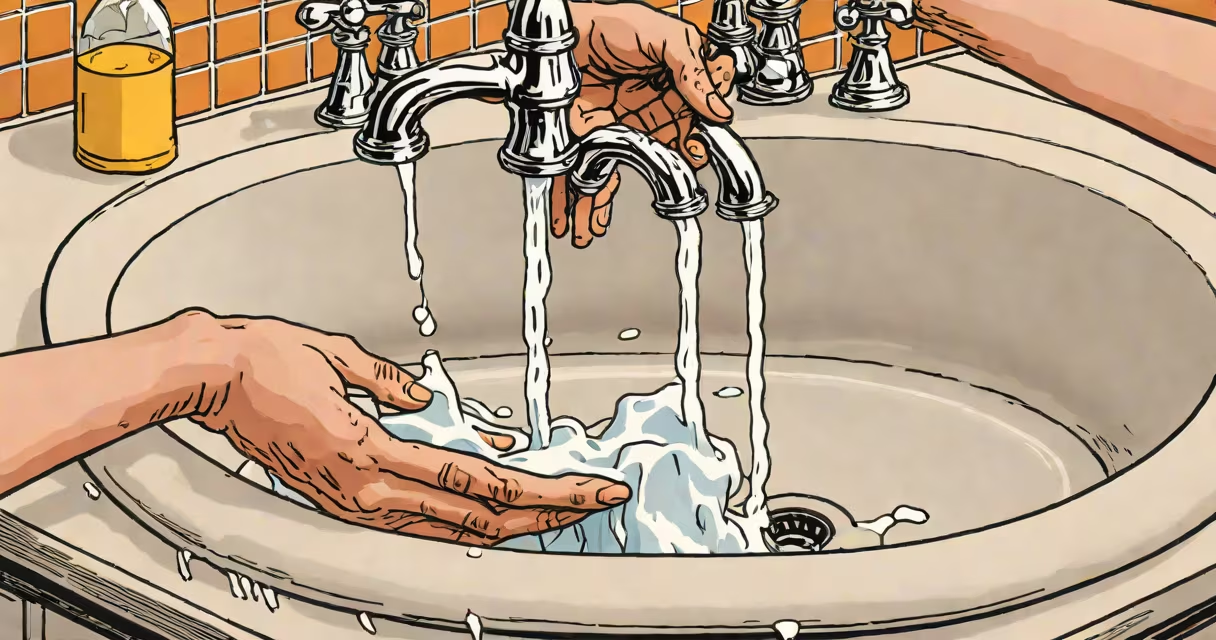
How to clean inside sink drain involves removing debris, breaking down grease buildup, and eliminating odors using natural ingredients like baking soda and vinegar. This process clears clogs and restores proper water flow in kitchen or bathroom sinks.
Sink drains collect food particles, grease, soap scum, and hair over time. Without regular cleaning, these materials form blockages that slow drainage or cause foul smells. The most effective method uses a combination of baking soda and vinegar to dissolve organic matter and flush out residue.
For best results, apply the solution weekly during routine cleaning. A single treatment takes under 30 minutes and requires only common household items. Regular maintenance prevents major clogs and extends the life of plumbing fixtures.
Baking soda acts as a mild abrasive and neutralizes acidic waste. When combined with vinegar, it triggers a chemical reaction that produces carbon dioxide gas and foaming action. This foam lifts trapped debris and dissolves grease deposits in pipe walls.
The fizzing effect pushes through narrow bends in P-traps and U-shaped pipes beneath sinks. As the mixture flows down, it breaks apart compacted material. After 15-30 minutes, flushing with hot water rinses away loosened residue.
Studies from the Environmental Protection Agency confirm that vinegar and baking soda are safe alternatives to commercial drain cleaners. These substances degrade quickly in wastewater and do not corrode metal or PVC pipes.
Use these supplies: ½ cup baking soda, 1 cup white vinegar, a funnel, a plastic cup or bowl, and hot tap water. Avoid aluminum containers-vinegar reacts with aluminum and can damage them.
Follow this sequence:
For stubborn clogs, repeat the process after 24 hours. If drainage remains slow, use a plumber's snake or a wire coat hanger bent into a hook shape to dislodge deeper blockages.
Different problems require tailored approaches. Common issues include slow drainage, recurring odors, and complete blockage.
| Issue | Common Cause | Recommended Solution |
|---|---|---|
| Slow drainage | Grease accumulation, small food bits | Baking soda and vinegar treatment every 1-2 weeks |
| Foul odor | Decaying organic matter in trap | Flush with vinegar and baking soda; scrub P-trap if accessible |
| Complete blockage | Hardened grease, foreign objects | Use a drain snake or remove and clean the P-trap manually |
Odors often return if the P-trap dries out. Running water daily keeps the water seal intact and prevents sewer gases from backing up. This is especially important in infrequently used sinks.
Many people assume that pouring boiling water alone clears clogs. While hot water helps melt grease, it cannot break down solidified fats or fibrous debris. Overuse of boiling water may warp PVC joints or weaken pipe seals.
Another error is using excessive vinegar. High acidity can erode metal drain components over time. Stick to one cup per treatment. Never mix vinegar with bleach-it creates toxic chlorine gas.
A lesser-known fact: the effectiveness of baking soda and vinegar drops when the drain is cold. Warm water enhances the reaction. Always use hot tap water-not icy cold-for the final rinse.
I once encountered a kitchen sink in a rental apartment that emitted a rotten egg smell after meals. The tenant reported no visible clog but noticed sluggish drainage. I applied the baking soda and vinegar method twice, spaced 24 hours apart.
After the second treatment, the smell vanished. I later discovered that the P-trap had dried out due to infrequent use. Refilling it with water resolved the issue permanently. This shows that odor problems aren't always caused by blockages-they can stem from dry traps.
For ongoing care, I recommend scheduling a monthly cleaning session. Even if the sink drains well, buildup accumulates invisibly. A consistent routine prevents costly repairs and maintains hygiene.
When the problem persists despite natural methods, consider professional inspection. A plumber can assess pipe integrity and identify root causes like tree root intrusion or collapsed lines. But most internal drain issues respond well to home remedies.