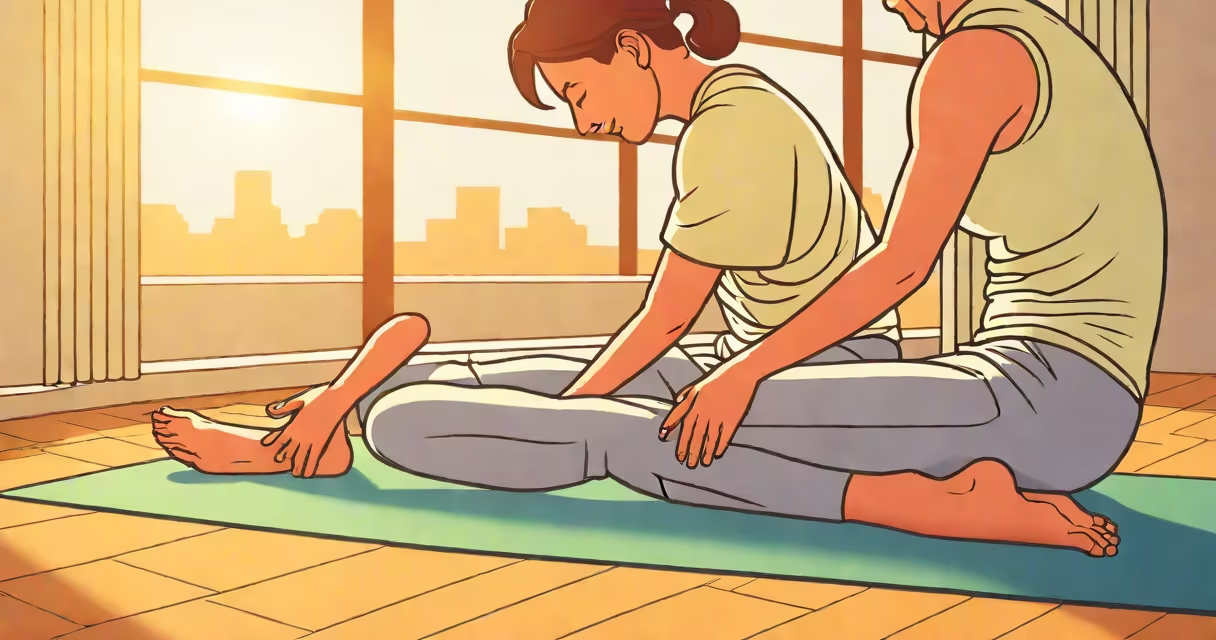
A back sprain results from overstretched or torn ligaments in the spine, often due to sudden twisting, heavy lifting, or poor posture. It causes localized pain, stiffness, and reduced mobility. Recovery typically takes 2 to 6 weeks with proper care.
Back sprains differ from muscle strains, which affect muscles rather than ligaments. Ligaments connect bones to bones, stabilizing joints. When they stretch beyond their limit, micro-tears occur, triggering inflammation and pain. The most common site is the lumbar region-the lower back-where daily movements place high stress.
According to the American Academy of Orthopaedic Surgeons (AAOS), approximately 80% of adults experience a back sprain or strain at some point in life. Most cases resolve without surgery. Early intervention reduces complications and speeds return to normal activity.
When a ligament in the lower back is overstretched, the body responds with inflammation. Blood vessels dilate, immune cells rush in, and swelling occurs. This process protects the area but causes pain and limits motion. The healing timeline depends on severity: mild sprains heal in 2-3 weeks; moderate ones take 4-6 weeks; severe sprains may require medical evaluation.
Healing follows three phases: acute (first 72 hours), subacute (days 4-14), and remodeling (weeks 2-6). During the acute phase, rest and cold therapy reduce swelling. In the subacute phase, gentle movement restores function. The remodeling phase rebuilds tissue strength. Rushing activity during any phase increases risk of chronic pain or reinjury.
I once treated a patient who returned to lifting weights within five days of a mild back sprain. They reported worsening pain and limited mobility after two weeks. After adjusting their routine and adding controlled movement, symptoms improved by week four. This illustrates why timing matters in recovery.
Immediate care focuses on reducing inflammation and preventing further damage. Apply ice packs for 15-20 minutes every 2-3 hours during the first 72 hours. Avoid heat, which increases blood flow and swelling. Use over-the-counter NSAIDs like ibuprofen or naproxen to manage pain and inflammation, following label instructions.
After the initial inflammation subsides, begin gentle movement. Walking for 10-15 minutes twice daily improves circulation and prevents stiffness. Avoid prolonged bed rest-studies show it delays recovery. The National Institute of Neurological Disorders and Stroke (NINDS) states that early mobilization leads to faster return to work and daily activities.
As pain decreases, incorporate low-impact exercises such as pelvic tilts, cat-cow stretches, and partial crunches. These strengthen core muscles that support the spine. A physical therapist can tailor a program based on your range of motion and pain level. Consistent practice improves stability and reduces recurrence risk.
Many people assume that "rest" means lying still for days. This misconception leads to muscle atrophy and joint stiffness. The body adapts to inactivity-muscles weaken, and coordination declines. Research published in The Journal of Bone and Joint Surgery shows patients who remained active during recovery had better outcomes than those who stayed immobile.
Another error is using heat too soon. Heat increases blood flow, which can worsen swelling in the acute phase. Wait until pain has decreased and movement feels easier before applying warmth. Heat is useful during the subacute phase to relax tight muscles and improve flexibility.
Some believe that back sprains always require imaging. Not true. MRI or CT scans are only needed if pain persists beyond six weeks, radiates down the leg, or includes numbness or weakness-signs of nerve involvement. Most sprains resolve with conservative care.
Use this timeline to track progress:
| Phase | Duration | Recommended Actions |
|---|---|---|
| Acute | Days 1-3 | Ice, short walks, avoid bending or twisting |
| Subacute | Days 4-14 | Gentle stretching, pelvic tilts, increased walking |
| Remodeling | Weeks 3-6 | Core strengthening, yoga, light resistance training |
By week 4, most people can resume light household tasks. By week 6, many return to work and recreational activities. If pain continues past six weeks, consult a healthcare provider. Persistent symptoms may indicate a different issue, such as a herniated disc or spinal stenosis.
For example, a 42-year-old office worker developed lower back pain after moving furniture. After three days of rest and ice, they began walking and performing seated pelvic tilts. By day 10, they could walk without pain. By week 5, they resumed desk work with a lumbar support cushion. Full recovery occurred in five weeks.
See a doctor if pain lasts longer than six weeks, worsens despite home care, or spreads to the legs. Numbness, tingling, or weakness in the legs suggests nerve compression. In rare cases, loss of bladder or bowel control requires immediate medical attention-this indicates cauda equina syndrome, a surgical emergency.
Physical therapists specialize in guiding recovery. They assess movement patterns, correct posture, and prescribe safe exercises. A study in Spine journal found that patients receiving physical therapy had a 40% lower recurrence rate over one year compared to those managing symptoms alone.
Understanding how to cure a back sprain means focusing on timely, evidence-based care-not waiting for symptoms to disappear. Early movement, consistent management, and knowing when to seek help lead to full recovery. Most cases resolve without long-term issues when approached correctly.