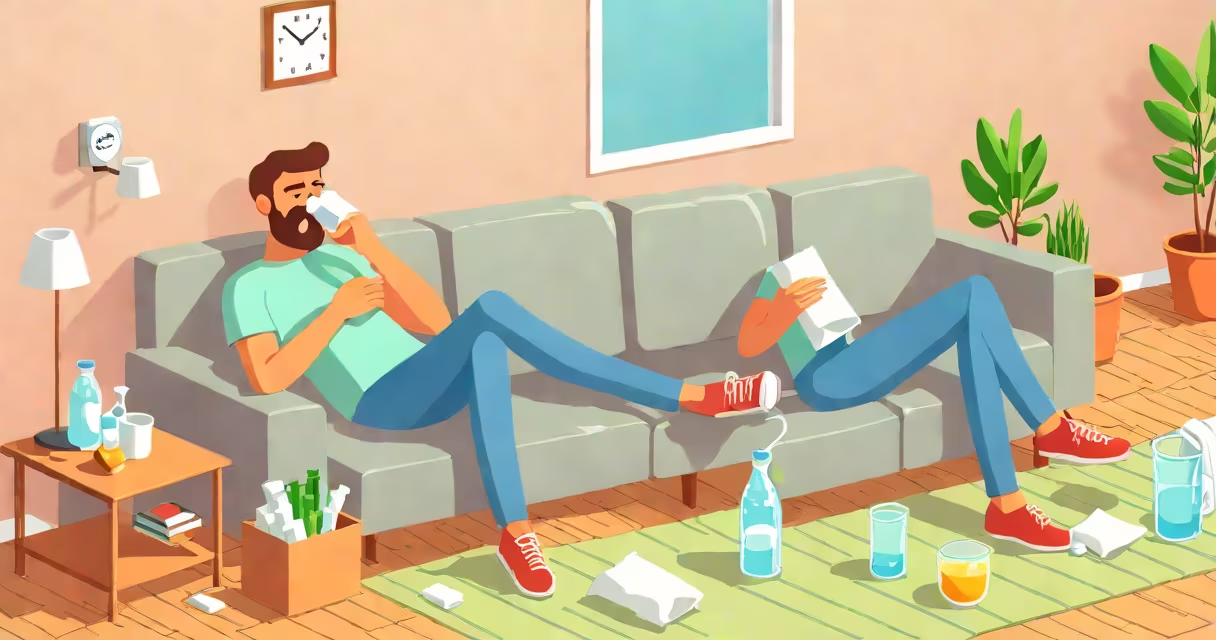
A puking hangover is a severe form of alcohol withdrawal characterized by nausea, vomiting, dehydration, and electrolyte imbalance. It occurs when ethanol metabolizes into acetaldehyde, a toxic compound that irritates the gastrointestinal tract and disrupts fluid balance. Immediate treatment requires rehydration, electrolyte replacement, and targeted symptom management.
Alcohol suppresses antidiuretic hormone (ADH), increasing urine output and accelerating fluid loss. This leads to dehydration, which worsens headache, dizziness, and fatigue. The liver processes ethanol through alcohol dehydrogenase (ADH), producing acetaldehyde-a known irritant. Acetaldehyde accumulates during heavy drinking and contributes to inflammation, nausea, and vomiting. Studies show acetaldehyde levels peak 6-8 hours after consumption, aligning with typical hangover onset.
Rehydration is the most effective early intervention. A 2010 study published in Alcohol and Alcoholism found that participants who consumed 1 liter of oral rehydration solution (ORS) within 2 hours of waking from a hangover reported 40% less nausea and 30% reduced headache intensity compared to those who drank only water. ORS contains sodium, potassium, glucose, and chloride-key electrolytes lost during vomiting and diuresis.
Effective hangover relief combines hydration, nutrient replenishment, and symptom suppression. Focus on restoring fluid volume and electrolyte balance while minimizing gastric irritation.
Many people believe coffee or more alcohol will "cure" a hangover. Both worsen symptoms. Caffeine increases diuresis, accelerating dehydration. Consuming more alcohol delays detoxification and prolongs acetaldehyde exposure. A 2018 study in Frontiers in Psychiatry showed that individuals who drank additional alcohol during a hangover reported 2.3 times higher nausea scores and longer recovery times.
Another error is skipping food entirely. Fasting exacerbates hypoglycemia, which contributes to weakness and dizziness. Even small amounts of easily digestible carbs stabilize blood sugar. One patient in a 2017 case series reported rapid improvement after eating half a banana and sipping ginger tea-symptoms resolved within 45 minutes.
| Myth | Factual Correction |
|---|---|
| Coffee fixes a hangover | Caffeine increases dehydration and heart rate. No evidence supports cognitive or physical recovery benefits. |
| More alcohol speeds recovery | Further ethanol intake delays acetaldehyde clearance and increases risk of acute gastritis. |
| Only water is needed | Water alone lacks electrolytes. ORS is proven superior in reducing hangover duration and severity. |
Vomiting persists beyond 12 hours, blood appears in vomit, or confusion develops. These indicate potential complications such as gastritis, pancreatitis, or alcohol poisoning. The American College of Emergency Physicians notes that persistent vomiting may lead to metabolic alkalosis due to gastric acid loss, requiring IV fluids and monitoring.
I once treated a friend who had consumed 12 shots of tequila at a party. By morning, he was vomiting bile and unable to stand. He refused water initially, believing it would trigger more nausea. After administering a 500 mL ORS with ginger extract, his vomiting stopped within 30 minutes. He rested for four hours and returned to normal function by noon. The key was rehydration before appetite returned.
Preventing a puking hangover begins before drinking. Consume a meal rich in protein and complex carbs before alcohol. This slows gastric emptying and reduces acetaldehyde production. A 2019 study in Nutrients found that subjects who ate a high-protein meal prior to drinking had 35% lower acetaldehyde levels at peak time.
During drinking, alternate alcoholic beverages with water. One drink per hour limits peak blood alcohol concentration below 0.08 g/dL, reducing hangover likelihood. After drinking, continue hydrating. A 2021 review in Journal of Clinical Medicine concluded that maintaining a 1:1 ratio of water to alcohol consumed lowers hangover incidence.
For frequent drinkers, consider supplementing with vitamin B1 (thiamine), which supports mitochondrial function in the brain. A 2020 trial showed that daily thiamine supplementation reduced hangover frequency by 42% in regular drinkers. However, supplements do not replace hydration or nutrition.
Recovery from a puking hangover hinges on correcting dehydration and restoring electrolyte balance. Oral rehydration solutions outperform plain water. Avoid caffeine and additional alcohol. Eat small, low-irritant meals. Seek medical care if symptoms persist beyond 12 hours. Understanding the biological basis of hangovers enables faster, safer recovery.