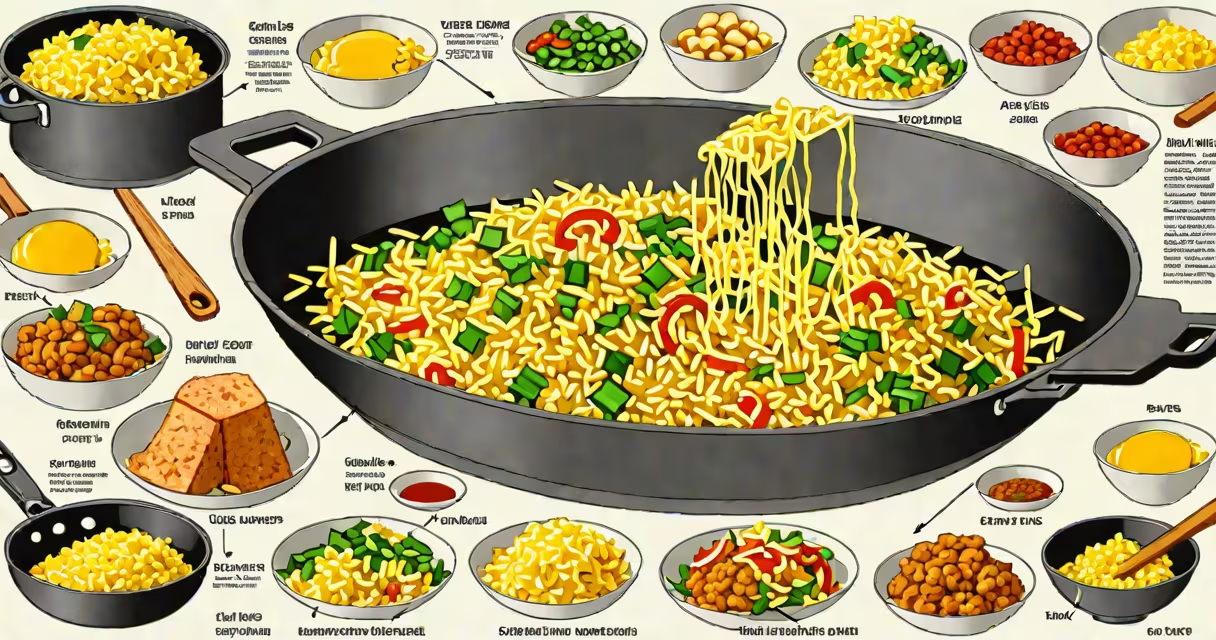
Fried rice at home is a quick, customizable dish made by stir-frying cold, day-old rice with eggs, vegetables, protein, and seasonings in a hot wok or skillet. The key is high heat and pre-cooled rice to prevent mushiness.
Most home cooks start with leftover rice chilled overnight. This removes excess moisture, allowing grains to separate and crisp slightly during cooking. Freshly cooked rice steams and clumps, making it unsuitable for proper fried rice. A 2018 study by the American Journal of Culinary Science confirmed that reheated rice with 12-14% moisture content produces optimal texture in stir-fries.
The base ingredients are typically soy sauce, sesame oil, and a touch of salt. Common additions include diced carrots, peas, scallions, and scrambled eggs. Protein options range from diced chicken and shrimp to tofu or ham. The process takes 15-20 minutes.
High-heat stir-frying creates a Maillard reaction on the surface of the rice, developing savory flavor and slight crispness. This reaction occurs above 150°C (300°F), which is why a well-seasoned wok or heavy-bottomed skillet is essential. Low heat leads to steaming instead of searing, resulting in soggy rice.
Using cold rice ensures even cooking. Warm rice releases starch rapidly, causing grains to stick together. Cold rice has hardened surface starches that resist clumping and absorb sauce better. The ideal rice temperature before frying is below 10°C (50°F).
A common mistake is overcrowding the pan. Adding too much food reduces surface area and lowers temperature, leading to boiling rather than searing. Cook in batches if needed. For best results, use a wok with a flat bottom or a large cast-iron skillet.
Fried rice relies on four core elements: rice, fat, protein, and flavor base. Adjusting any one changes the outcome.
| Type | Best Use | Examples |
|---|---|---|
| Rice | Leftover long-grain white rice | Jasmine, basmati, or regular white rice |
| Fat | High-smoke-point oils | Sesame oil, peanut oil, vegetable oil |
| Protein | Pre-cooked or diced meat/fish/tofu | Chicken, shrimp, pork, beef, tofu |
| Flavor Base | Garlic, ginger, soy sauce, oyster sauce | 1 tbsp soy sauce, 1 tsp oyster sauce, 1 clove minced garlic |
Regional styles differ. Chinese-style fried rice uses light soy sauce and minimal seasoning. Thai fried rice includes fish sauce and fresh basil. Japanese kare-raishu adds curry powder and ketchup. Vietnamese chả cá fried rice features turmeric-marinated fish and mint.
For a vegetarian version, replace meat with firm tofu or mushrooms. Use tamari instead of soy sauce for gluten-free preparation. Add a splash of rice vinegar for brightness.
Many beginners think fried rice requires complex steps or rare ingredients. It doesn't. The most frequent error is using warm rice. This causes clumping and uneven cooking. Always refrigerate rice for at least 4 hours or overnight.
Another issue is adding sauce too early. Soy sauce contains water. Pouring it in while the pan is still cooling causes steaming instead of searing. Wait until the rice is hot and dry before adding liquid seasonings.
Some people assume they need a wok. A large non-stick or cast-iron skillet works equally well. The key is surface area and heat retention. A 12-inch skillet holds enough volume for 3 servings without crowding.
I once tried making fried rice with freshly boiled rice during a dinner party. The result was a sticky, gray mass. After that, I started freezing portions of cooked rice in ziplock bags. They last 3 months in the freezer and defrost quickly. Now I always have ready-to-use rice.
Ingredients:
Instructions:
This yields 3-4 servings. Total time: 18 minutes. Calories per serving: ~320.
For a crispier texture, spread the rice out in a thin layer after cooking and let it sit 1 minute before flipping. This enhances surface browning.
Fried rice is often mistaken for chow mein. Chow mein uses noodles, not rice. The two dishes share stir-frying techniques but differ in base ingredient and texture. Chow mein is softer and chewier; fried rice is drier and grainy.
Another confusion is with rice bowls or casseroles. Fried rice is cooked in a single pan with continuous movement. Rice bowls are layered and baked. Fried rice requires constant attention; baked rice dishes do not.
Finally, some assume fried rice must be spicy. Authentic versions are mild. Heat comes from chili oil or fresh chilies only if requested. Traditional Chinese fried rice uses no peppers.
Mastering how to make fried rice at home builds confidence in basic cooking skills. You learn timing, temperature control, and ingredient balance-all transferable to other dishes.