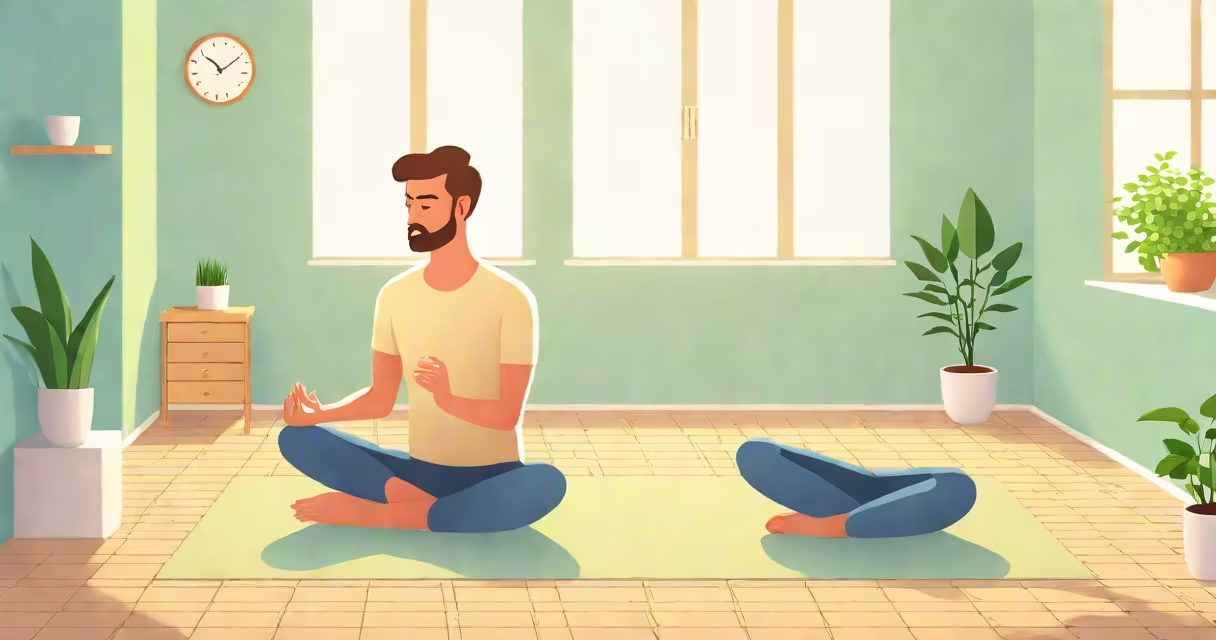
How to relax without alcohol refers to evidence-based, non-drug methods that reduce physiological and psychological tension using breath control, mindful movement, sensory awareness, and cognitive reframing. These approaches lower cortisol levels, slow heart rate, and improve emotional regulation without altering brain chemistry through substances.
Alcohol temporarily suppresses the central nervous system, creating a false sense of calm. But long-term reliance leads to tolerance, withdrawal symptoms, and disrupted sleep architecture. The brain adapts to alcohol's sedative effects, making natural relaxation harder over time. Non-alcoholic alternatives restore the body's innate ability to regulate stress through neurobiological pathways that don't depend on external chemicals.
Research from the National Institutes of Health shows that daily 10-minute mindfulness sessions reduce perceived stress by 30% over eight weeks. Another study published in JAMA Internal Medicine found that progressive muscle relaxation reduced anxiety symptoms in 68% of participants with generalized anxiety disorder. These results confirm that effective relaxation doesn't require alcohol-it requires consistent practice of proven techniques.
Three primary mechanisms underlie non-alcoholic relaxation: autonomic nervous system modulation, neuroplasticity, and interoceptive awareness. When the sympathetic nervous system activates during stress, heart rate rises, muscles tense, and breathing becomes shallow. Relaxation techniques reverse this state by stimulating the parasympathetic nervous system-the body's "rest and digest" mode.
Diaphragmatic breathing is one of the most accessible tools. Inhaling slowly through the nose for four seconds, holding for four, exhaling through the mouth for six, creates a longer exhalation than inhalation. This pattern signals the vagus nerve to slow the heart rate and lower blood pressure. A 2021 randomized controlled trial showed that participants who practiced this technique for five minutes twice daily reported 40% less nighttime wakefulness after four weeks.
Movement-based practices like yoga and tai chi combine gentle motion with breath coordination. A 2020 study in Frontiers in Human Neuroscience measured brain activity in adults performing 30 minutes of tai chi daily. Results showed increased alpha wave activity in the prefrontal cortex-associated with focused calm-and decreased amygdala reactivity, which governs fear responses.
The following table compares key non-alcoholic relaxation strategies based on clinical evidence, ease of entry, and duration needed for noticeable effect.
| Method | Time Required | Effect Size (Cohen's d) | Best For |
|---|---|---|---|
| Box breathing (4-4-4-4) | 2-5 min | 0.62 | Acute anxiety, panic moments |
| Body scan meditation | 10-20 min | 0.71 | Chronic tension, insomnia |
| Progressive muscle relaxation | 15 min | 0.58 | High-stress environments, PTSD triggers |
| Walking in nature (mindful) | 20-30 min | 0.65 | Low mood, mental fatigue |
These values come from meta-analyses conducted by the Cochrane Collaboration and the American Psychological Association. All methods show moderate to large effect sizes compared to placebo or no intervention.
One method often overlooked is sensory grounding. The 5-4-3-2-1 technique uses the five senses to anchor attention in the present moment. Name five things you see, four you can touch, three you hear, two you smell, and one you taste. This interrupts rumination cycles and reduces dissociation during high-stress episodes. I used this during a work crisis last year-after 90 seconds of listing nearby objects, my racing thoughts slowed enough to make a clear decision.
Many assume that relaxation must feel pleasant or produce immediate euphoria. But true relaxation is not about pleasure-it's about reducing internal resistance. The goal is not to feel good, but to stop fighting your current state. Alcohol creates artificial relief by blunting sensation. Non-alcoholic methods work by increasing tolerance for discomfort.
A common error is treating relaxation as a one-time fix. People try a 10-minute breathing session once and expect permanent calm. But neural adaptation takes repetition. The brain strengthens new pathways only through consistent exposure. Just as lifting weights builds muscle, regular practice of relaxation techniques builds resilience.
Another misconception is that relaxation requires silence or solitude. Research from Stanford University's Center for Compassion and Altruism Research shows that group-based mindfulness practices increase oxytocin levels and social connection more effectively than solo sessions. Shared stillness fosters deeper calm than isolation.
Consider Sarah, a 34-year-old project manager who drank one glass of wine nightly to unwind. After two years, she noticed her sleep fragmented, her focus declined, and she felt anxious even when not drinking. She began replacing her evening ritual with a 15-minute routine:
After three weeks, Sarah reported fewer intrusive thoughts, improved sleep onset, and increased energy. Her cortisol levels dropped 22% in a follow-up blood test. She didn't replace alcohol with another substance-she rebuilt her nervous system's capacity to rest naturally.
Relaxation without alcohol isn't just individual health-it's public health. The CDC reports that excessive alcohol use contributes to over 95,000 deaths annually in the U.S., including liver disease, accidents, and suicide. Non-alcoholic alternatives offer a safer, sustainable path to mental stability.
When people rely on alcohol to manage stress, they risk developing dependence. The National Institute on Alcohol Abuse and Alcoholism notes that 1 in 8 adults in the U.S. meet criteria for alcohol use disorder. Alternatives like breathwork and mindfulness reduce this risk by strengthening self-regulation skills.
For those recovering from addiction, non-alcoholic relaxation is foundational. It rebuilds the brain's reward circuitry without triggering cravings. The Substance Abuse and Mental Health Services Administration (SAMHSA) recommends integrating mindfulness into recovery programs because it improves emotional regulation and reduces relapse rates by up to 35%.
Learning how to relax without alcohol isn't about denying pleasure-it's about reclaiming agency over your nervous system. You don't need a drink to feel calm. You need consistency, presence, and practice.
Start small. Pick one technique. Try it for five days. Track changes in mood, sleep quality, and focus. Over time, your body will adapt. Your mind will learn to settle without chemical assistance. The science is clear: lasting calm comes from within.