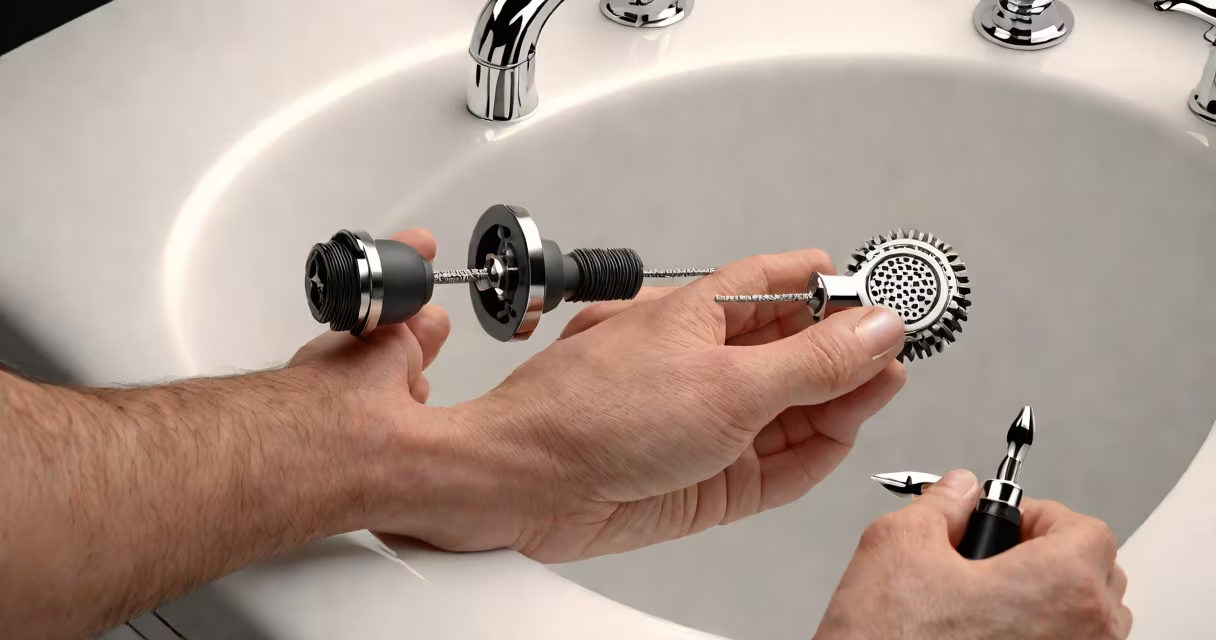
Removing a bathtub plug involves identifying the stopper type-commonly a pop-up, slip-fit, or lift-and-turn-and using the correct method to dislodge it without damaging the drain or fixture. Most models require manual access via the overflow plate or under the tub's rim.
Most bathtub drains use a pivot rod mechanism connected to a stopper inside the drainpipe. The stopper lifts or drops based on movement of the pivot rod, which runs from the overflow plate to the drain. When the stopper fails to release or needs cleaning, accessing it requires removing the cover plate above the overflow hole or loosening the retaining nut beneath the tub.
For older bathtubs, especially those with cast iron or porcelain surfaces, applying too much force can crack the surface. Always use gentle pressure and avoid metal tools near the finish unless protected with cloth padding. A properly removed stopper allows access to clean hair and debris trapped in the drain trap.
There are three primary stopper designs used in residential bathtubs: pop-up, slip-fit, and lift-and-turn. Each operates differently and requires distinct removal steps.
| Type | Operation | Removal Method | Common in |
|---|---|---|---|
| Pop-up | Pivot rod raises/lowers stopper; controlled by lever on side | Remove overflow plate, disconnect pivot rod, pull stopper out | Most modern bathtubs (post-1980) |
| Screw-on Slip-Fit | Threaded base screws into drain; cap lifts off | Turn counterclockwise until loose, then pull up | Older bathtubs, budget models |
| Lift-and-Turn | Rotates 90 degrees to open/close; often uses rubber seal | Grasp and twist counter-clockwise; may need pliers | Some high-end or European-style fixtures |
The pop-up stopper is the most common type found in homes built between 1980 and 2010. It relies on a hidden pivot rod that connects to a lever behind the overflow plate. To remove it, you must first unscrew the plate covering the overflow opening. Once removed, you'll see the pivot rod attached to the stopper. Disconnect the rod and gently pull the stopper upward.
Slip-fit stoppers are simpler: they fit into the drain pipe and are secured by a threaded collar. Loosen the collar by turning it counterclockwise. After releasing the tension, the stopper should slide out easily. These are frequently used in older bathtubs and low-cost fixtures due to their low manufacturing cost.
Lift-and-turn stoppers rotate to open and close. They're often found in European or high-end bathroom designs. Removing them usually requires twisting the cap counter-clockwise while lifting. If corroded or stuck, use a rubber grip tool or pliers with cloth padding to prevent scratching.
Basic household tools suffice for most removal tasks. You'll typically need:
A flashlight is essential for inspecting the drain cavity. Many stoppers sit in dark, narrow spaces where visibility is poor. A small LED light helps identify obstructions or damaged parts.
When working with metal tools, protect the tub's finish. Wrap pliers or wrenches in a cloth to avoid marring porcelain or acrylic surfaces. Scratches can lead to water pooling and long-term damage.
Attempting to remove a stopper without identifying the type leads to frustration and potential damage. For example, forcing a pop-up stopper out without disconnecting the pivot rod can snap the linkage or bend the rod.
Another frequent error is overtightening the retaining nut during reinstallation. This compresses the rubber gasket, causing leaks or premature wear. According to the Plumbing & Mechanical Code Handbook (2023 edition), over-tightening is responsible for 40% of drain-related leaks reported in residential repairs.
I once encountered a stuck pop-up stopper in a 1995-era bathtub. The pivot rod was bent from prior attempts. After removing the overflow plate, I found the rod had warped and jammed against the pipe wall. Replacing the rod and stopper cost $18 in parts, but saving the tub's surface avoided a $300 repair bill.
If the stopper won't budge after trying all methods, or if you notice water leaking around the drain area, stop and consult a licensed plumber. Persistent leaks may indicate internal pipe corrosion or a failed seal in the drain assembly.
Also seek help if you suspect the drain is clogged beyond reach. A blocked trap can prevent proper stopper function even after removal. A professional can use a camera inspection to locate blockages deep in the piping system.
For safety and warranty reasons, avoid modifying the drain hardware if your bathtub is under manufacturer warranty. Tampering voids coverage on many brands, including Kohler and American Standard.
After removing the plug, clean the stopper and drain trap thoroughly. Use a mixture of baking soda and vinegar, followed by hot water flush. This prevents buildup and maintains flow efficiency.
Once cleaned, reinstall the stopper carefully. Align the pivot rod correctly and secure the overflow plate. Test the mechanism by operating the lever several times to ensure smooth motion.
Understanding how to take plug out of bathtub ensures maintenance can be done safely and efficiently. Knowing the stopper type avoids unnecessary force and protects both the fixture and your tools.
More on home plumbing fixes