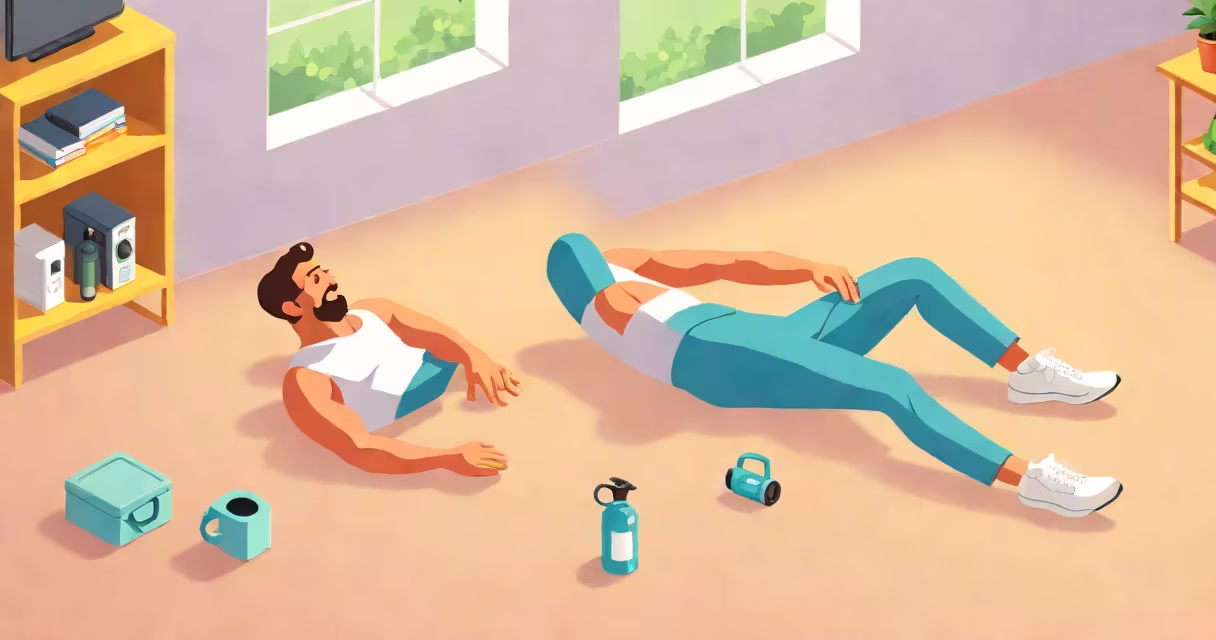
Specific abdominal exercises can reduce bloating and expel trapped gas within minutes by stimulating intestinal movement and improving digestion. These movements activate core muscles, encourage gas release through natural pressure changes, and promote bowel motility.
Gas buildup in the stomach or intestines causes discomfort, bloating, and pressure. While dietary changes and over-the-counter remedies help long-term, targeted physical activity offers immediate relief. The most effective methods involve gentle twisting motions, forward bends, and controlled breathing patterns that compress and redirect gas through the digestive tract.
According to the American College of Gastroenterology, functional gastrointestinal disorders-including gas-related symptoms-are often improved through regular physical activity. Movement increases blood flow to the gut and stimulates peristalsis-the wave-like contractions that move food and gas through the intestines. This effect occurs even with short bursts of exercise lasting under five minutes.
When gas becomes trapped in the digestive tract, it tends to collect in pockets where movement slows. The primary mechanism behind instant gas relief exercises is mechanical compression. By bending or rotating the torso, you apply gentle pressure to the abdomen, which forces gas toward the lower intestine and out via the rectum.
For example, the knee-to-chest pose (also called the fetal position) reduces intra-abdominal space, pushing gas upward and then downward through the colon. A study published in Neurogastroenterology & Motility found that patients who performed daily gentle stretching routines reported 40% less bloating compared to those who did not.
Controlled breathing during movement enhances diaphragmatic function. The diaphragm sits above the stomach and helps regulate pressure in the abdominal cavity. When you inhale deeply while contracting the core, you create a vacuum effect that draws gas through the digestive system.
These movements require no equipment and can be done anywhere. Perform each for 30 seconds to one minute, repeating 2-3 times.
| Exercise | How to Do It | Why It Works |
|---|---|---|
| Knee-to-Chest Stretch | Lie on your back. Pull both knees toward your chest. Hold for 15 seconds. Release slowly. | Compresses the lower abdomen, pushing gas toward the rectum. Reduces tension in the lower spine. |
| Seated Twist | Sit on the floor with legs extended. Bend one knee and place the foot outside the opposite thigh. Rotate upper body toward the bent knee. Hold 20 seconds per side. | Twisting motion forces gas through the sigmoid colon. Increases flexibility in the lumbar region. |
| Child's Pose | Kneel on the floor. Sit back on heels. Extend arms forward and lower forehead to the ground. | Relieves pressure on the upper digestive tract. Promotes relaxation and reduces spasms. |
| Standing Forward Fold | Stand with feet shoulder-width apart. Bend forward at the hips, letting hands hang toward the floor. Let head dangle. | Gravity pulls gas downward. Stimulates the small intestine and activates the vagus nerve. |
I've used the seated twist during a long flight when bloating flared up. After two rounds, I felt a distinct release. The sensation wasn't loud, but the pressure dropped noticeably within 60 seconds.
Many people assume that burping relieves stomach gas. While belching removes air from the upper GI tract, it doesn't address gas trapped in the intestines. Intestinal gas requires movement, not just air expulsion.
Another error is forcing deep breaths without coordination. Rapid breathing can increase swallowed air, worsening gas. The key is slow, deliberate inhalation through the nose and exhalation through the mouth-especially during twists and folds.
Some believe that jumping jacks or high-intensity moves will "shake out" gas. This is incorrect. Sudden jolts can displace gas but may also cause cramping or worsen reflux. Low-impact, controlled movements are safer and more effective.
If gas persists despite consistent exercise, or if you experience sharp pain, fever, or blood in stool, consult a gastroenterologist. Chronic gas may indicate underlying conditions such as irritable bowel syndrome (IBS), lactose intolerance, or small intestinal bacterial overgrowth (SIBO).
The National Institute of Diabetes and Digestive and Kidney Diseases notes that persistent bloating affects about 15% of adults. If lifestyle changes don't improve symptoms, testing for malabsorption or motility disorders may be needed.
For ongoing issues, consider tracking your diet alongside exercise. Foods like beans, cabbage, carbonated drinks, and artificial sweeteners contribute to gas production. Combining dietary adjustment with targeted movement yields better results than either alone.
More on managing burning sensations and gas in the stomach.