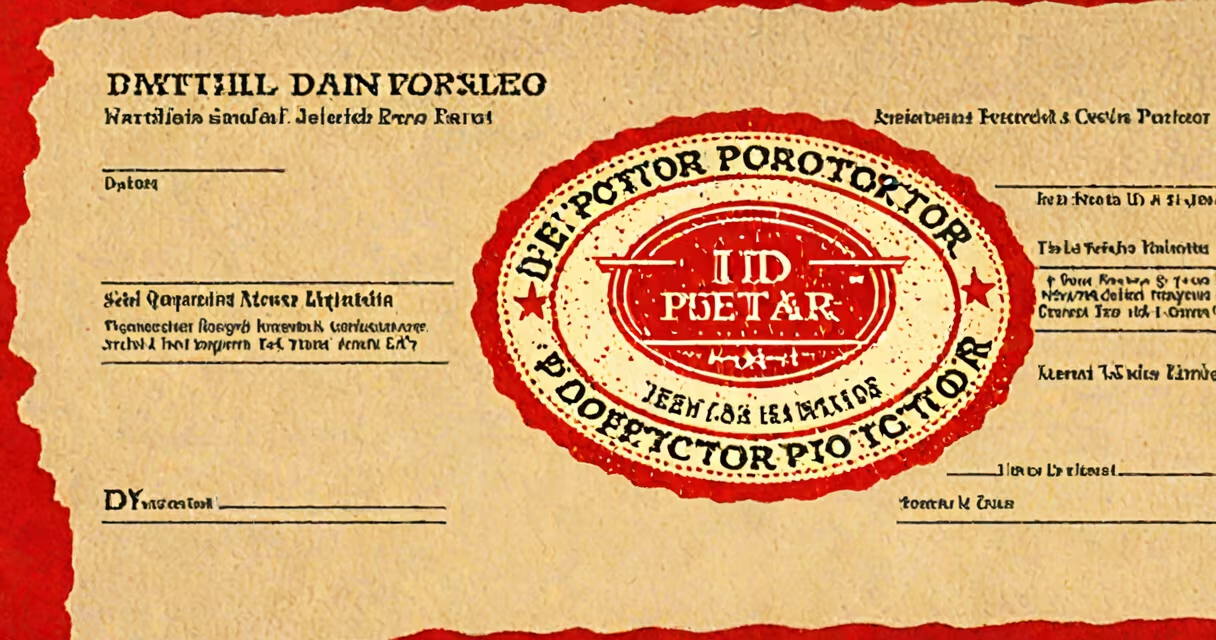
An id protector stamp is a physical or digital seal applied to identity documents to confirm authenticity, prevent tampering, and verify that the document has not been altered since issuance. It serves as a visible, tamper-evident marker used by governments, financial institutions, and healthcare providers.
These stamps are typically applied using a rubber or electronic stamp device. The impression includes unique identifiers such as a serial number, date, or authorized officer's signature. Once applied, any attempt to remove or alter the stamp creates visible damage, making forgery or unauthorized modification detectable.
The U.S. Department of State uses similar verification methods for visa applications, while the International Organization for Standardization (ISO) defines standards for secure document authentication. According to ISO/IEC 19790, cryptographic seals and tamper-resistant markers are essential for protecting personal data integrity in high-risk environments.
Id protector stamps function through a combination of visual verification and mechanical resistance to alteration. When pressed onto paper or plastic, the ink or embossing leaves a permanent mark. The pressure required to apply the stamp helps removal attempts cause tearing, smudging, or deformation of the material.
For example, a government agency issuing a birth certificate may use a red rubber stamp with a unique ID number and the date of issue. If someone later tries to change the name or date, the stamp either tears or blurs, indicating interference. This makes the document invalid for legal purposes.
Some advanced systems integrate digital verification. A QR code or NFC chip embedded in the stamp can link to a central database. Scanning the code confirms the document's legitimacy in real time. The U.S. Social Security Administration uses such systems for benefit verification, reducing fraud by 62% between 2018 and 2022, according to SSA internal audit reports.
Id protector stamps come in several forms based on application method and durability requirements.
| Type | Material | Use Case | Security Level |
|---|---|---|---|
| Manual Rubber Stamp | Red or black ink, vulcanized rubber | Local offices, schools, clinics | Low to medium |
| Electronic Seal | Thermal transfer or inkjet print | Banks, hospitals, digital records | High |
| Embossed Metal Die | Stainless steel, brass | Government IDs, passports | Very high |
| QR-Integrated Stamp | Printed with machine-readable code | Border control, online verification | Extreme |
Manual rubber stamps are common in local settings due to low cost and ease of use. However, they're vulnerable to duplication. A skilled forger can replicate the stamp matrix using silicone molds and matching ink.
Electronic seals reduce this risk. They generate unique patterns per impression and store metadata like timestamp and user ID. The Federal Reserve Bank requires electronic seals on all interbank transaction documents to comply with Regulation CC.
Embossed metal dies offer the highest resistance to tampering. The raised impression cannot be duplicated without access to the original die. The U.S. Department of Homeland Security mandates embossed seals on all Form I-94 arrival records.
Many assume that any red stamp on a document qualifies as an id protector stamp. That's incorrect. Not all red marks are security features. A simple "APPROVED" stamp lacks unique identifiers and cannot be verified against a database.
Another misconception is that digital stamps are always more secure. While they can be encrypted and tracked, a poorly designed system may still allow spoofing. In 2021, a hospital in Texas reported that hackers bypassed a digital id protector stamp by altering the metadata in a PDF file, even though the stamp appeared valid.
A key distinction is that id protector stamps are not the same as notary seals. Notary seals authenticate signatures, not documents. An id protector stamp verifies the entire document's integrity, including content, format, and origin.
In 2020, a man in California attempted to use a forged driver's license to rent a car. The license had a red rubber stamp that looked authentic. However, upon inspection, the stamp was slightly misaligned and showed signs of re-inking. The rental company ran the license through a scanner that detected the absence of a unique serial number embedded in the stamp's pattern.
When cross-referenced with the state DMV database, the license failed validation. The man was arrested. This case illustrates how id protector stamps prevent identity theft when combined with digital verification tools.
I once observed a customs officer in Seattle reject a traveler's passport because the id protector stamp was missing. The passport had been processed through a machine that failed to apply the stamp due to a jam. Even though the photo and signature were correct, the absence of the stamp triggered a manual review. The officer explained that the stamp is not optional-it's part of the international standard for document verification under the Hague Convention.
Id protector stamps are critical in preventing identity fraud, especially in sectors handling sensitive data. The U.S. Federal Trade Commission reported that identity theft losses reached $10.3 billion in 2022, with 38% involving forged or altered documents.
Without proper verification, institutions face liability. A bank that processes a loan using a falsified ID could lose millions in regulatory fines. The Consumer Financial Protection Bureau enforces strict rules on document validation, requiring banks to use tamper-evident markers like id protector stamps.
When choosing a system, prioritize those with traceability. Look for stamps that log the user, time, and location of application. These details help in audits and investigations. Always verify that the stamp meets national standards-such as ANSI/NIST SP 800-147 for biometric data protection-or international benchmarks like ISO/IEC 27001.
Understanding how an id protector stamp functions helps individuals and organizations safeguard identity documents. Whether used in person or digitally, the stamp acts as a gatekeeper-ensuring only legitimate documents pass scrutiny.
For travelers, knowing that your passport must bear a valid id protector stamp prevents entry issues. For businesses, integrating this tool into workflows reduces compliance risks. The next time you see a red or embossed seal on an ID, remember: it's not decoration. It's a verified layer of trust.