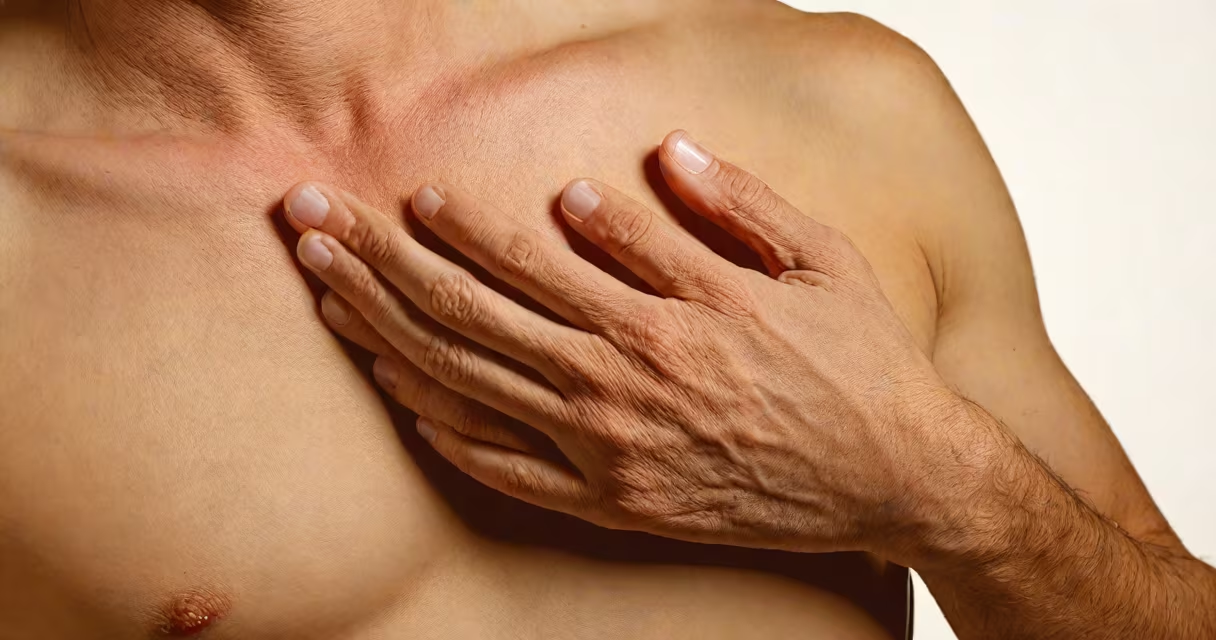
Light chest pains on the left side refer to mild, localized discomfort in the left anterior chest wall, often described as aching, sharp, or pressure-like. These sensations typically last seconds to minutes and do not radiate widely. They are frequently caused by musculoskeletal issues, gastrointestinal reflux, or stress-not heart disease.
Most cases of light chest pains on the left side involve the intercostal muscles, ribs, or costochondral joints. The pain often worsens with movement, deep breathing, or pressure on the area. Unlike acute cardiac events, these episodes don't usually trigger sweating, nausea, or shortness of breath. They're common in people who lift heavy objects, sleep in awkward positions, or experience sudden physical strain.
The American Heart Association notes that while chest pain is a key symptom of heart attacks, only about 10% of patients presenting with chest pain actually have a myocardial infarction. Most cases are due to non-cardiac causes, including musculoskeletal strain, anxiety, or acid reflux. This distinction is critical-misinterpreting benign pain as cardiac can lead to unnecessary testing and anxiety.
Pain signals originate in sensory nerves in the chest wall. When tissue is irritated-by stretching, inflammation, or trauma-nerve endings send signals to the spinal cord and brain. The brain interprets these signals as pain, often localizing them to the site of irritation. For left-sided pain, the perception is usually accurate because the nervous system maps skin and muscle regions precisely.
For example, a 32-year-old office worker reported sharp, stabbing pain when turning in bed. The pain lasted 15 seconds and occurred only during rotation. Physical exam revealed tenderness over the fourth rib on the left. Ultrasound confirmed no internal injury. The diagnosis was costochondritis-localized inflammation of the cartilage connecting ribs to the sternum. Pain resolved within five days with rest and ibuprofen.
Neurological pathways explain why pain can feel "sharp" or "burning." Sharp pain arises from A-delta fibers, which transmit fast, localized signals. Burning sensations come from C-fibers, slower and diffuse. Understanding this helps distinguish between muscular strain (sharp, brief) and visceral pain (dull, persistent).
Light chest pains on the left side fall into several categories based on origin. The most frequent are musculoskeletal, gastrointestinal, and psychological in nature.
| Type | Key Features | Typical Duration | Relief Triggers |
|---|---|---|---|
| Musculoskeletal | Sharp, localized; worsens with movement or pressure | Seconds to hours | Rest, heat, NSAIDs |
| Gastroesophageal reflux | Burning sensation behind sternum; may radiate left | Minutes to hours; often after meals | Antacids, upright posture |
| Anxiety/panic | Fluttering, tightness; associated with racing thoughts | Minutes; fluctuates | Deep breathing, grounding techniques |
| Referred pain (e.g., shingles) | Band-like, burning; follows dermatomal pattern | Days to weeks | Topical lidocaine, antivirals |
Costochondritis is among the most common non-cardiac causes. It affects 1 in 100 adults annually, according to the National Library of Medicine. Symptoms include tenderness over the second to fifth costochondral junctions. Diagnosis relies on physical exam-pain reproduces with palpation. Imaging is rarely needed unless red flags appear.
Reflux-related pain mimics cardiac discomfort. A 2021 study in Alimentary Pharmacology & Therapeutics found that 38% of patients with non-cardiac chest pain had gastroesophageal reflux disease (GERD) as the underlying cause. Acid regurgitation, especially after lying down, increases risk. Symptoms improve with proton pump inhibitors or positional changes.
While most light chest pains on the left side are harmless, certain signs indicate a need for urgent evaluation. These include pain lasting longer than 10 minutes, occurring at rest, spreading to the jaw or arm, or being accompanied by cold sweat, dizziness, or difficulty breathing.
I once saw a 55-year-old man with a history of hypertension who reported a dull ache on his left side that lasted 20 minutes. He denied exertion but admitted to feeling anxious. His ECG showed ST-segment depression. Coronary angiography revealed a 70% stenosis in the left anterior descending artery. He underwent stenting and recovered fully. This case underscores that even mild symptoms can signal serious issues.
Red flags are rare but critical. The European Society of Cardiology states that 1 in 5 heart attacks presents with atypical symptoms-especially in women and diabetics. Light chest pain may be the only warning sign. If pain occurs during routine activity, lasts beyond 15 minutes, or recurs, medical assessment is essential.
Many assume that any left-sided chest pain must be heart-related. This belief leads to overuse of emergency services and imaging. The U.S. Centers for Disease Control and Prevention reports that 60% of ER visits for chest pain are ruled out for acute coronary syndrome. Most are due to non-life-threatening causes.
Another misconception is that pain location equals organ involvement. The heart lies slightly left of center, but pain from a heart attack can radiate to the left arm, neck, or jaw. Conversely, muscle pain is highly localized. A 2019 study in JAMA Internal Medicine found that patients often misattribute the source of their pain-over 40% incorrectly identified the cause during initial assessment.
Some confuse light chest pains on the left side with panic attacks. While both can cause chest tightness, panic-related pain is often tied to hyperventilation, tingling in extremities, and a sense of impending doom. It resolves quickly with breathing control. Persistent or recurring pain requires evaluation beyond mental health.
If pain is brief, reproducible with touch, and improves with rest, it's likely musculoskeletal. Avoid activities that worsen it. Apply heat or ice. Over-the-counter NSAIDs like ibuprofen may reduce inflammation and discomfort.
If pain persists beyond a few days, worsens, or occurs at rest, consult a healthcare provider. Diagnostic steps may include ECG, blood tests (troponin), or imaging. For suspected GERD, a trial of omeprazole for two weeks may clarify the diagnosis.
Do not ignore new or changing patterns. A 48-year-old woman experienced intermittent left-sided pain for three weeks. She attributed it to stress. After a syncopal episode, she was diagnosed with aortic dissection-a life-threatening condition. Early recognition saved her life.
Light chest pains on the left side are rarely dangerous. Most result from minor strain, acid reflux, or stress. But when pain is new, persistent, or linked to other symptoms, prompt evaluation is necessary. Trust your body-but verify concerns with a professional.