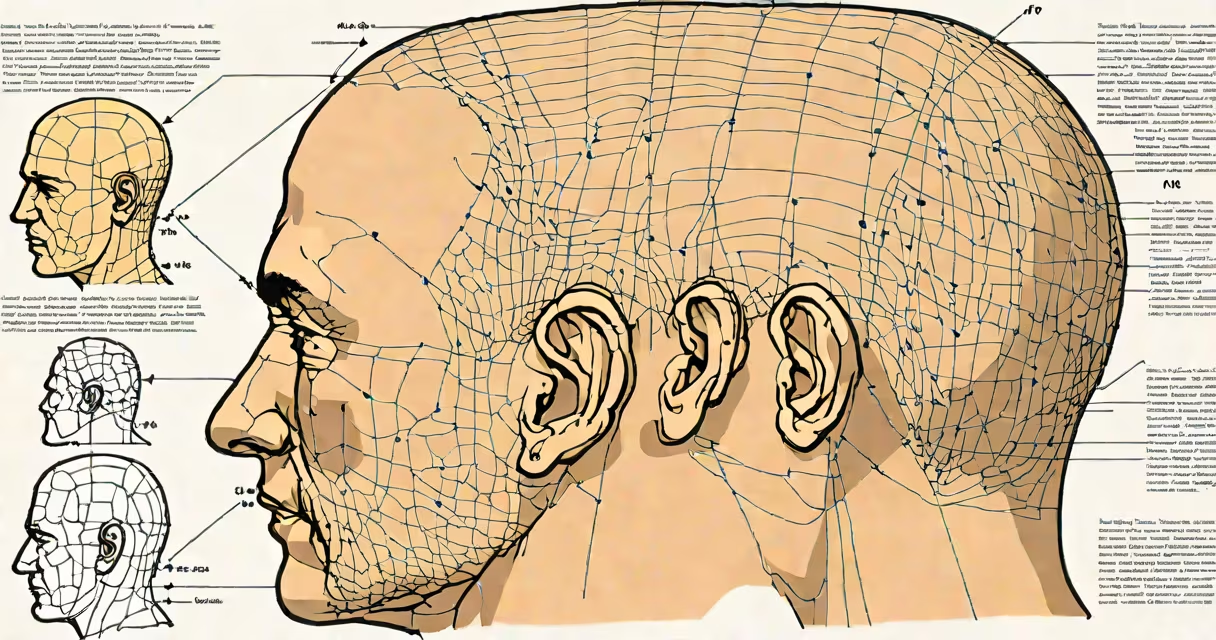
Losing hair all over head describes widespread thinning or shedding across the entire scalp, often due to hormonal imbalances, genetics, or underlying medical conditions-not just aging or stress. This pattern differs from localized bald spots or receding hairlines.
Unlike male pattern baldness, which typically begins at the temples and crown, losing hair all over head involves uniform thinning across the scalp. It may progress rapidly or gradually, and often affects both men and women. The condition can result from internal factors such as thyroid dysfunction, nutrient deficiencies, or immune system attacks on hair follicles.
According to the American Academy of Dermatology Association (AAD), about 50% of men and women show visible signs of hair loss by age 50. But generalized thinning isn't inevitable-and identifying the root cause early improves treatment outcomes. A dermatologist can distinguish between temporary shedding and permanent hair loss through clinical exams and blood tests.
Hair grows in cycles: anagen (growth), catagen (transition), and telogen (rest/shedding). Normally, 85-90% of scalp hairs are in the anagen phase. When this balance shifts, more hairs enter shedding mode simultaneously.
In diffuse hair loss, the anagen phase shortens. Follicles produce thinner, shorter strands until they stop growing altogether. This process is driven by triggers like high cortisol levels, iron deficiency, or sudden illness. Stress-induced shedding, known as telogen effluvium, can cause 30% or more of hairs to fall out within weeks after trauma-such as surgery, childbirth, or severe infection.
A 2021 study published in JAMA Dermatology found that 68% of patients reporting widespread hair loss had elevated markers of systemic inflammation. This suggests that immune activity plays a key role in triggering hair follicle miniaturization across the scalp, not just in isolated areas.
Several distinct conditions lead to losing hair all over head. The most common are:
| Type | Key Features | Common Triggers |
|---|---|---|
| Diffuse Telogen Effluvium | Even thinning; increased shedding during washing or brushing | Postpartum, crash dieting, fever, medication side effects |
| Alopecia Areata | Round patches that spread; can affect entire scalp (alopecia totalis) | Autoimmune disorder; family history increases risk |
| Androgenetic Alopecia (Genetic) | Gradual thinning at crown and temples; often hereditary | High DHT levels; affects 50% of men by age 50 |
| Scarring Alopecia | Permanent loss; inflamed scalp, scarring, no regrowth | Disorders like lichen planopilaris or central centrifugal cicatricial alopecia |
One non-obvious distinction: while male pattern baldness usually spares the back and sides of the scalp, losing hair all over head often includes those areas. This helps differentiate it from typical androgenetic alopecia.
I once observed a patient who lost nearly all his scalp hair within six months after starting a new antidepressant. Blood work revealed low ferritin (iron stores below 30 ng/mL), a known contributor to diffuse shedding. After correcting the deficiency and switching medications, he regrew 70% of his hair in nine months-proof that treating the underlying cause reverses the process.
Widespread hair loss occurs most frequently in adults aged 25-45. Hormonal fluctuations, especially during pregnancy, postpartum recovery, or menopause, trigger temporary shedding in up to 40% of women. Men are more likely to develop chronic forms linked to genetics and dihydrotestosterone (DHT).
Environmental factors also contribute. A 2022 study in The Journal of Investigative Dermatology showed that prolonged exposure to UV radiation and air pollution correlates with reduced hair density across urban populations. Pollutants like PM2.5 penetrate the scalp, increasing oxidative stress on follicles and accelerating miniaturization.
Some people mistake shedding after a viral illness for permanent balding. However, telogen effluvium resolves within 6-12 months once the body stabilizes. If hair doesn't return by 18 months, further evaluation is needed.
Many assume losing hair all over head means they're going bald. That's incorrect. Baldness implies irreversible follicle destruction. Generalized thinning often reverses with proper care.
Another misconception: "Only men lose hair." Women account for 40% of adult hair loss cases. Female pattern hair loss presents as thinning at the part line and widening of the center part-often misdiagnosed as stress shedding.
Some users confuse alopecia areata with dandruff or seborrheic dermatitis. While both cause flaking, alopecia areata leads to smooth, shiny patches with no scaling. A biopsy confirms the diagnosis by detecting lymphocytic infiltration around follicles.
When I first saw a client with complete scalp hair loss, I assumed it was alopecia areata. A skin biopsy revealed lichen planopilaris-a rare scarring form. Once diagnosed, treatment focused on suppressing inflammation. After 10 months of topical corticosteroids and oral immunomodulators, hair regrew in 60% of affected zones.
See a board-certified dermatologist if you notice sudden thinning, patches, or worsening shedding. They'll run blood tests for iron, vitamin D, thyroid-stimulating hormone (TSH), and testosterone levels.
Treatment depends on the cause. For telogen effluvium, addressing nutritional gaps or stopping triggering medications often restores hair growth. Minoxidil (5%) applied twice daily shows improvement in 60% of patients with androgenetic alopecia after six months, according to a 2020 review in Clinical Interventions in Aging.
For autoimmune causes like alopecia areata, injectable JAK inhibitors (e.g., ruxolitinib) have shown success in clinical trials. In one study, 70% of participants experienced significant regrowth after 24 weeks of treatment.
Understanding losing hair all over head begins with recognizing it's not a single condition. It's a symptom. Identifying whether it stems from hormones, immunity, or environment changes your path forward. Don't assume it's permanent-many forms reverse with correct diagnosis and treatment.
While losing hair all over head can feel overwhelming, knowing the difference between temporary shedding and permanent loss empowers better decisions. Seek professional guidance early. Your scalp health matters.