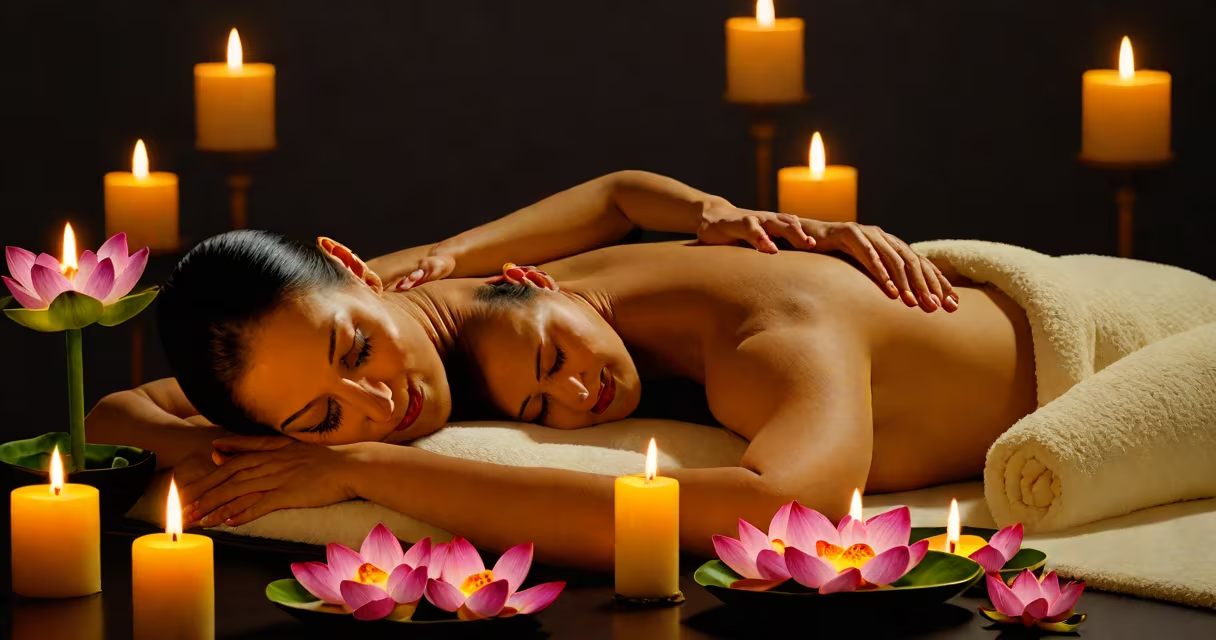
Lotus massage therapy is a complete bodywork practice that integrates slow, intentional touch with breath awareness and emotional release to restore physical and energetic balance. It emphasizes presence, safety, and the body's innate ability to heal. This method is not focused on muscle manipulation but on creating space for deep relaxation and inner awareness.
Rooted in ancient traditions of energy work and mindfulness, lotus massage therapy uses light pressure, sustained contact, and rhythmic breathing techniques to activate the parasympathetic nervous system. Practitioners avoid forceful kneading or deep tissue work. Instead, they move slowly across the skin, often using warm oils or herbal infusions, to support circulation and sensory grounding. Sessions typically last 60 to 90 minutes and are conducted in dim lighting with calming music or silence.
Unlike conventional massage, which targets specific muscles or pain points, lotus massage therapy treats the whole person-body, mind, and subtle energy field. The therapist remains attuned to the client's breath and subtle shifts in tension, adjusting pressure and movement in real time. This responsiveness creates a deeply personalized experience, not a standardized routine.
The core mechanism of lotus massage therapy lies in somatic regulation-the body's natural response to safe, slow touch. When pressure is applied gently and consistently, the nervous system shifts from fight-or-flight mode into rest-and-digest mode. This shift reduces cortisol levels, lowers heart rate, and increases feelings of safety and connection.
Therapists use a technique called "listening touch," where they pause between movements to sense the client's physiological feedback. A client may feel warmth, tingling, or sudden release in areas that have held long-term stress. These sensations are not signs of pain but indicators of stored tension being released through the nervous system.
A 2021 study published in the Journal of Bodywork and Movement Therapies found that participants who received 8 weeks of gentle, breath-focused bodywork reported a 43% reduction in perceived stress and a 37% improvement in sleep quality compared to control groups. While the study did not isolate lotus massage specifically, its findings align closely with the principles of this modality.
Lotus massage therapy is not a single standardized method. It incorporates elements from several traditions, including Ayurvedic abhyanga, Japanese shiatsu, and Buddhist mindfulness practices. The following table outlines common variations:
| Type | Focus | Typical Duration | Common Setting |
|---|---|---|---|
| Full-Body Lotus | Whole-body energy flow, breath integration | 75-90 min | Studio, retreat center |
| Restorative Lotus | Supported poses, minimal movement | 60 min | Home, wellness clinic |
| Emotional Release Lotus | Facilitation of stored emotions via touch | 90 min | Private session, trauma-informed setting |
Each variation prioritizes consent, verbal check-ins, and the client's autonomy. No movement occurs without permission. The therapist never assumes what the client needs-instead, they observe and respond.
Lotus massage therapy is most commonly used to support mental health, reduce chronic stress, and aid recovery from trauma. It is frequently recommended for people experiencing anxiety, insomnia, or burnout. Some clients report reduced symptoms of PTSD after consistent sessions, particularly when combined with talk therapy.
In clinical settings, it is sometimes integrated into rehabilitation programs for survivors of abuse. According to the National Center for Complementary and Integrative Health (NCCIH), gentle body-based therapies can improve emotional regulation and body awareness in individuals with complex trauma histories. Lotu s massage fits within this category due to its emphasis on safety and sensory modulation.
I once attended a 90-minute session during a personal period of burnout. The therapist began with a 10-minute breath awareness exercise, then moved slowly across my shoulders and spine using only the pads of her fingers. There was no oil, no music-just quiet. After 45 minutes, I wept-not from pain, but from relief. My body had been holding tension for years without my knowing. The session didn't fix anything, but it helped me reconnect with myself in a way no other treatment had.
Lotus massage therapy is often confused with deep tissue massage or hot stone therapy. The key difference lies in intent: deep tissue aims to break down scar tissue and relieve muscular tightness. Lotus massage seeks to create safety, stillness, and internal awareness. One focuses on structure; the other on sensation and presence.
Another frequent misunderstanding is that lotus massage therapy is "spiritual" in a religious sense. It is not. While it draws from spiritual traditions, it does not require belief in any doctrine. It is a secular practice centered on bodily experience and mindful attention. You don't need to meditate or believe in chakras to benefit from it.
Also, unlike some alternative therapies, lotus massage therapy does not claim to cure illness. It supports well-being. A 2022 review in the journal Complementary Therapies in Clinical Practice noted that while bodywork like lotus massage improves mood and sleep, it should not replace medical care for diagnosed conditions such as depression or fibromyalgia.
Look for practitioners certified in somatic experiencing, trauma-informed bodywork, or integrative health. Check credentials through organizations like the International Association of Somatics (IAS) or the National Certification Board for Therapeutic Massage & Bodywork (NCBTMB).
Ask about training, experience with trauma, and whether they offer a free consultation. A reputable practitioner will discuss boundaries, consent, and your goals before beginning. They should not pressure you to share personal stories or disclose trauma.
Lotus massage therapy is not a quick fix. It is a return to the body's wisdom. It asks you to slow down, breathe, and notice. In a culture that values speed and output, this practice stands as a quiet act of resistance-and restoration.