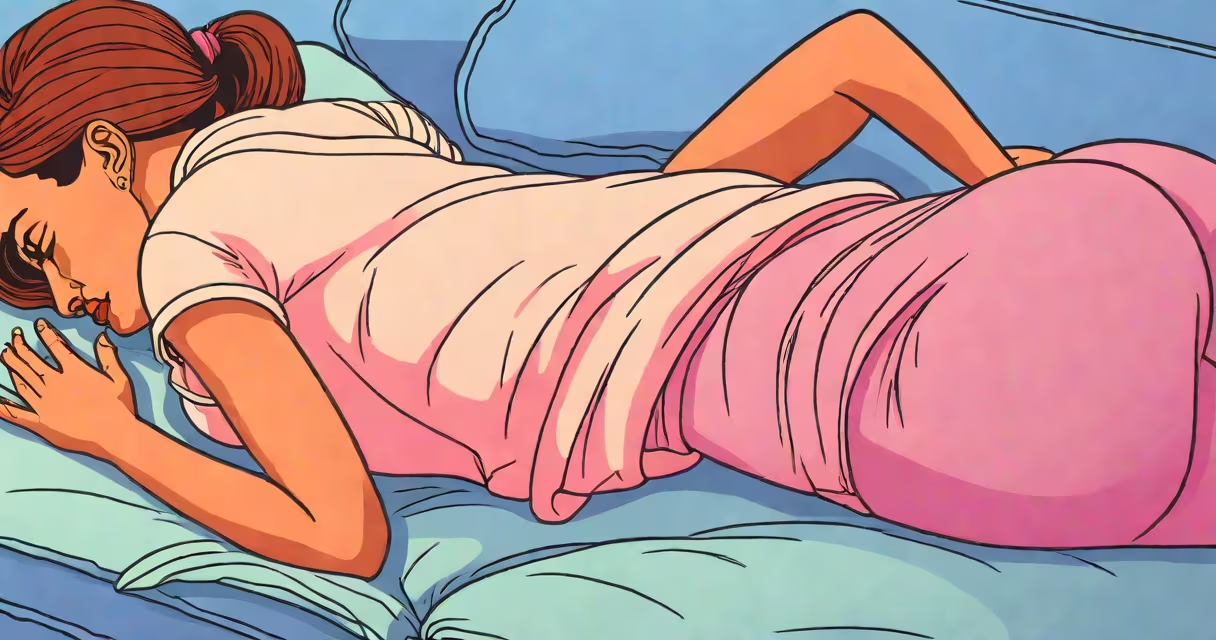
Lower back pain uterus pain refers to discomfort in the lower back region caused by uterine activity, most commonly during menstruation or pregnancy. It results from uterine contractions, hormonal changes, or pelvic pressure rather than spinal or muscular injury. This condition affects up to 75% of menstruating individuals, according to the American College of Obstetricians and Gynecologists (ACOG).
Uterine contractions release prostaglandins-hormone-like substances that trigger muscle spasms. These contractions can radiate pain to the lower back, especially when the uterus is positioned posteriorly (tilted backward). The sensation may feel dull, cramping, or sharp, and often worsens during peak menstrual flow.
Unlike mechanical lower back pain from lifting or poor posture, lower back pain uterus pain typically occurs cyclically-every 28 days for menstruation-or during specific phases of pregnancy. It usually resolves within 2-5 days of onset and responds well to heat, NSAIDs, and targeted movement.
Pain signals from the uterus travel via the autonomic nervous system through the pelvic plexus and spinal nerves T10-L1. This shared nerve pathway explains why uterine pain often feels like lower back pain. The brain interprets signals from the pelvis as coming from the lumbar spine due to overlapping neural circuits.
During ovulation and menstruation, estrogen and progesterone levels fluctuate. Prostaglandin F2α increases in the endometrium, causing stronger contractions. High levels correlate with more intense pain, including referred back pain. A 2021 study in Reproductive Sciences found that women with dysmenorrhea (painful periods) had higher prostaglandin concentrations in uterine fluid compared to those without pain.
During pregnancy, the growing uterus shifts the center of gravity and increases tension on ligaments like the round and uterosacral ligaments. These structures attach to the sacrum and pelvis, pulling on lower back joints. This creates mechanical stress that feels like localized back pain, even without direct spinal involvement.
Lower back pain uterus pain varies by cause and timing. The following table outlines key patterns:
| Type | Timing | Common Causes | Distinctive Features |
|---|---|---|---|
| Menstrual | Days 1-5 of cycle | Prostaglandin release, retroverted uterus | Cramping, radiates to lower back; improves with heat or ibuprofen |
| Pregnancy-related | Second and third trimesters | Ligament stretch, weight shift, hormonal relaxation | Dull ache, worsens with standing; relieved by rest and support |
| Endometriosis-associated | Cyclic, often worsening over time | Lesions on uterine lining invade nearby nerves | Pain persists beyond menses; may involve bowel or bladder symptoms |
Endometriosis causes chronic lower back pain uterus pain that doesn't follow typical menstrual cycles. It affects about 10% of reproductive-age individuals and often goes undiagnosed for years. The condition involves endometrial tissue growing outside the uterus, leading to inflammation and nerve entrapment.
A 2020 review in Human Reproduction Update found that 60% of women with endometriosis reported lower back pain as a primary symptom, often misdiagnosed as musculoskeletal strain. This highlights the risk of mistaking pelvic origin pain for spinal issues.
Many people assume lower back pain uterus pain is always related to the spine. But when pain begins with a period or coincides with ovulation, it likely originates in the pelvis. Spinal issues typically don't follow a monthly pattern or improve with menstrual suppression.
Another misconception is that severe lower back pain during menstruation is normal. While mild discomfort is common, disabling pain-requiring bed rest or missed work-is not. According to ACOG, such pain may indicate endometriosis, adenomyosis, or fibroids. These conditions require medical evaluation.
I once observed a patient who had been told for years she had "bad posture" causing her back pain. She was diagnosed with endometriosis after persistent pain during her cycle. Her MRI showed no spinal abnormalities. Once treated with hormonal therapy, her pain resolved. This case illustrates how easily pelvic pain can be misattributed to musculoskeletal causes.
For cyclical lower back pain uterus pain, nonsteroidal anti-inflammatory drugs (NSAIDs) like ibuprofen reduce prostaglandin production and ease both cramps and back pain. Heat therapy applied to the lower back increases blood flow and relaxes tense muscles.
If pain persists beyond the menstrual window or occurs between periods, consult a gynecologist. Imaging like transvaginal ultrasound can detect fibroids, ovarian cysts, or endometriotic lesions. Hormonal birth control may suppress ovulation and reduce pain frequency.
For women experiencing lower back pain uterus pain without injury, lower back pain no injury is a common concern. Unlike trauma-based back pain, this type is often functional-linked to posture, stress, or hormonal fluctuations. It rarely requires imaging unless symptoms progress or new neurological signs appear.
Lower back pain uterus pain is a real, physiological response to uterine function. It is not imaginary or psychological. Recognizing its cyclical nature, distinguishing it from mechanical back pain, and seeking timely care prevents unnecessary suffering. Early diagnosis of underlying conditions like endometriosis improves long-term outcomes.