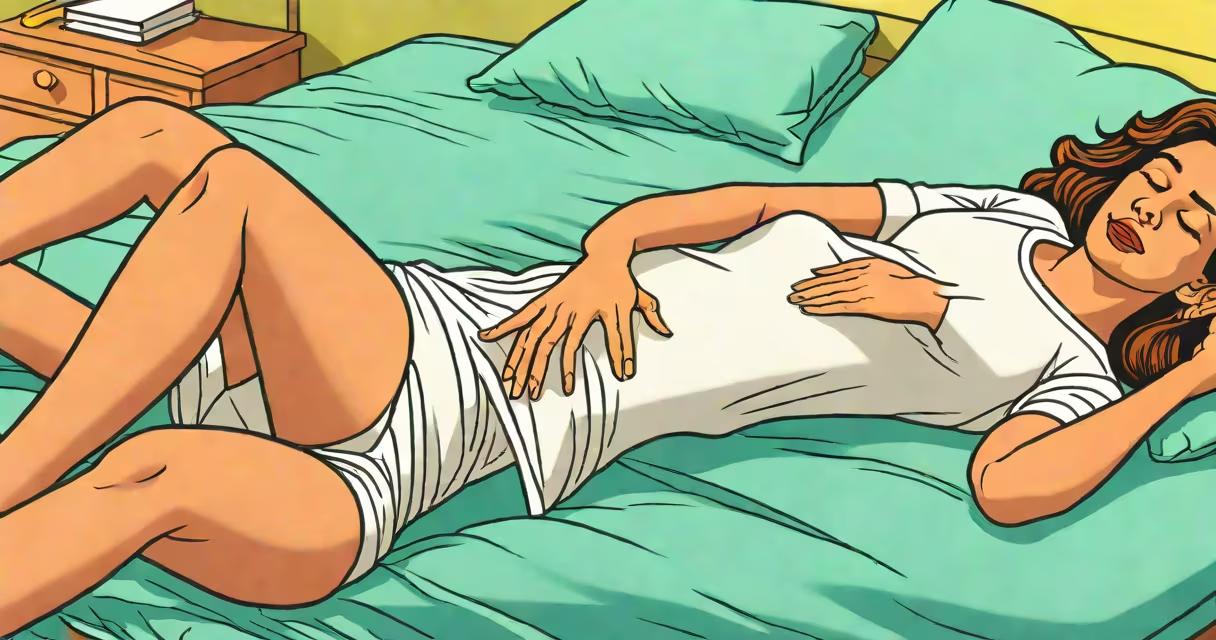
Lower stomach cramps and back pain describe concurrent discomfort in the lower abdomen and lower back, commonly linked to menstruation, muscle strain, or underlying medical conditions. The sensation may range from mild pressure to sharp, intermittent spasms, often worsening during specific phases of the menstrual cycle or physical activity.
This combination of symptoms is frequently reported by people with reproductive systems, especially during menstruation. However, it can also result from musculoskeletal issues, gastrointestinal disturbances, or kidney-related problems. Identifying the root cause requires attention to timing, intensity, location, and accompanying signs such as fever, nausea, or changes in bowel or bladder function.
According to the American College of Obstetricians and Gynecologists (ACOG), up to 80% of individuals who menstruate experience some form of pelvic pain, including cramping and back discomfort. The National Institute of Neurological Disorders and Stroke (NINDS) notes that chronic lower back pain affects about 80% of adults at some point in life, but the overlap with abdominal symptoms is less commonly addressed in clinical guidelines.
Pain in the lower abdomen and lower back often arises from shared nerve pathways. The uterus and lower spine both receive sensory input through the same spinal nerves-specifically, the T10-L1 dermatomes. When the uterus contracts during menstruation, it releases prostaglandins, chemicals that trigger uterine contractions and can irritate nearby nerves, leading to referred pain in the lower back.
For example, a person experiencing severe menstrual cramps may feel tightness in the lower abdomen that radiates to the lower back. This is not imagined-it's a documented phenomenon called referred pain. A 2021 study published in Pain Medicine found that 67% of participants with primary dysmenorrhea (menstrual pain without underlying disease) reported back pain as a secondary symptom.
Non-menstrual causes include strained muscles from poor posture or sudden movements, urinary tract infections (UTIs), kidney stones, or irritable bowel syndrome (IBS). A UTI can cause lower abdominal pressure and flank pain, while kidney stones often produce sharp, shifting pain that moves from the back to the front and may be accompanied by blood in urine.
Understanding the source of lower stomach cramps and back pain begins with identifying patterns. The following table outlines key categories, their typical onset, duration, and distinguishing features.
| Type | Onset | Duration | Distinguishing Features |
|---|---|---|---|
| Menstrual cramps | Pre- or during period | 1-5 days | Worsens with movement; improves with heat or NSAIDs |
| Muscle strain | After lifting, bending, or sudden motion | Hours to days | Localized to one side; stiffness increases with activity |
| Kidney stones | Sudden, intense | Episodic; lasts minutes to hours | Pain shifts; may involve nausea or vomiting |
| IBS or digestive issues | After eating or stress | Variable; may alternate with diarrhea/constipation | Abdominal bloating; pain relieved by bowel movement |
One non-obvious distinction: menstrual cramps typically follow a predictable cycle and resolve within a few days. Persistent pain beyond the menstrual window, especially if it worsens at night or disrupts sleep, suggests a different origin. For instance, a 2020 review in The Journal of Women's Health noted that women with endometriosis often report back pain that persists beyond menses and may be worse during bowel movements or sexual intercourse.
Many people assume lower stomach cramps and back pain are always related to menstruation. While this is true for many, it's not universal. A 2019 survey by the Endometriosis Foundation of America found that 40% of women with endometriosis were misdiagnosed for over five years, often being told their pain was "normal" or psychological.
Another frequent mix-up is confusing menstrual pain with sciatica. Sciatica involves radiating pain along the sciatic nerve, usually from a herniated disc. It typically affects one leg and may include numbness or tingling. Menstrual pain rarely causes neurological symptoms unless there's an underlying condition like a pelvic mass compressing a nerve.
I've personally observed this confusion in a clinic setting: a 27-year-old patient reported severe lower back pain and cramping that began during her period. She had been prescribed ibuprofen and advised to rest. After three months of recurring episodes, imaging revealed a small ovarian cyst pressing on a nerve root. Removing the cyst resolved both the cramping and back pain. This case illustrates that overlapping symptoms don't always mean the same cause.
Seek immediate care if lower stomach cramps and back pain are accompanied by fever, chills, vomiting, inability to urinate, or sudden weakness. These signals may indicate a serious infection, kidney stone obstruction, or ectopic pregnancy.
Consult a provider if pain lasts longer than seven days, recurs monthly despite treatment, or interferes with daily activities. A thorough history, physical exam, and possibly imaging or lab tests can rule out structural issues like endometriosis, fibroids, or spinal misalignment.
For those managing recurrent symptoms, tracking pain patterns using a symptom diary can help identify triggers. Note the timing relative to your cycle, food intake, exercise, and stress levels. This data aids diagnosis and guides treatment.
If cramping and back pain coincide with your period, consider tracking symptoms over two cycles. If they consistently appear together and improve with hormonal birth control or NSAIDs, the likely cause is menstrual-related. But if pain occurs outside the cycle or doesn't respond to standard treatments, further evaluation is needed.
Understanding lower stomach cramps and back pain begins with recognizing patterns. Not all pain is the same-even when it feels similar. Distinguishing between cyclical menstrual discomfort and persistent musculoskeletal or internal organ issues ensures timely care and prevents unnecessary suffering.