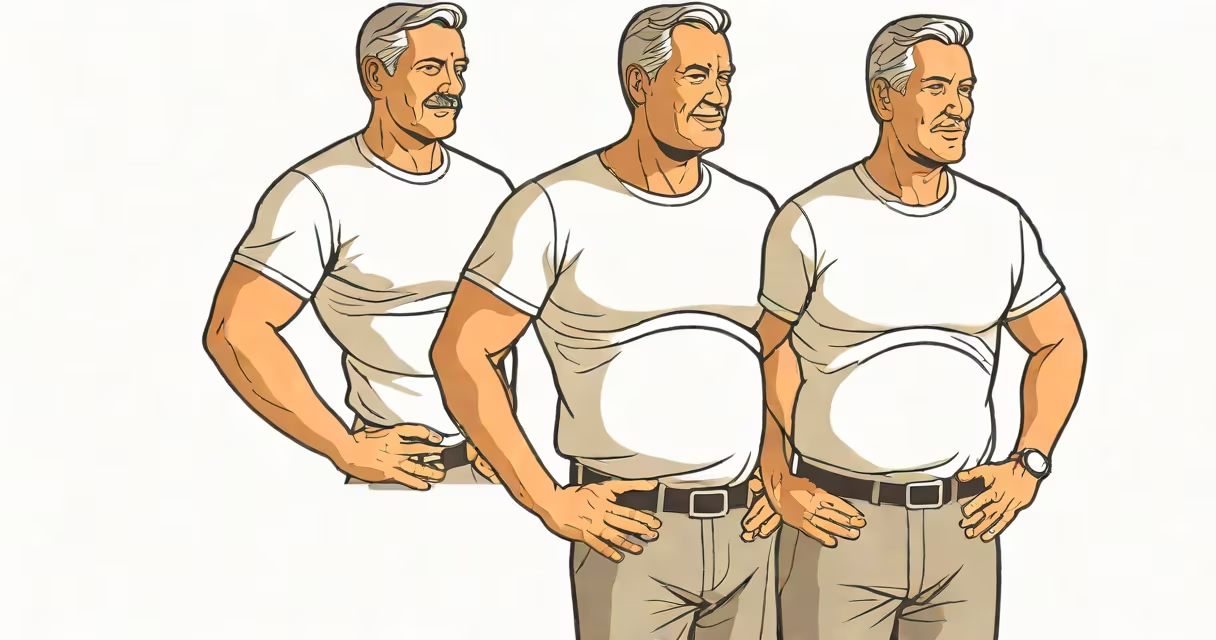
A man's stomach growing larger without obvious cause often results from bloating due to gas, fluid retention, or underlying metabolic or gastrointestinal conditions-not fat gain. This distension can appear suddenly and persist despite no change in diet or activity.
Bloating is the most common explanation for a man's stomach expanding unexpectedly. It occurs when excess gas accumulates in the intestines or when fluids build up in the abdominal cavity. While bloating is usually temporary and harmless, persistent or worsening distension may signal a deeper issue. The American Gastroenterological Association notes that functional gastrointestinal disorders account for up to 40% of chronic bloating cases in adults, many of which go undiagnosed for years.
When bloating is not linked to food intake or lifestyle habits, it may indicate an imbalance in gut microbiota, insulin resistance, or hormonal fluctuations. Men over 40 are especially vulnerable to subtle metabolic shifts that affect abdominal volume. A 2021 study published in Frontiers in Endocrinology found that declining testosterone levels correlate with increased visceral fat deposition and abdominal girth-even in men who maintain stable weight and exercise routines.
The abdomen expands when pressure increases inside the abdominal cavity. This pressure can come from gas produced during digestion, fluid accumulation (ascites), or organ enlargement. Gas typically forms from swallowed air or bacterial fermentation of undigested carbohydrates. When gas builds faster than the body can expel it, bloating becomes visible.
Fluid retention in the abdomen-known as ascites-is less common in men but still possible. It often stems from liver disease, heart failure, or certain cancers. Ascites can develop slowly and may not cause pain initially, making early detection difficult. The Mayo Clinic reports that ascites affects about 1 in 10 patients with cirrhosis, and men are disproportionately affected due to higher rates of alcohol-related liver disease.
Another mechanism involves visceral fat-the fat stored around internal organs. Unlike subcutaneous fat under the skin, visceral fat is metabolically active and contributes to inflammation and insulin resistance. As men age, their bodies produce less testosterone, which normally helps regulate fat distribution. Without adequate testosterone, fat tends to accumulate in the abdominal region, leading to a "pot belly" appearance even in lean individuals.
Not all abdominal swelling is the same. The following table outlines distinct patterns and their likely causes:
| Type | Appearance | Common Causes | Red Flags |
|---|---|---|---|
| Gaseous bloating | Round, firm, fluctuates daily | High-FODMAP foods, lactose intolerance, SIBO | Increased flatulence, cramping |
| Fluid retention (ascites) | Smooth, tense, progressive | Liver disease, heart failure, cancer | Weight gain without diet change, shortness of breath |
| Visceral fat accumulation | Gradual, soft, centered around navel | Low testosterone, insulin resistance, sedentary lifestyle | Waist circumference > 40 inches, fatigue |
One non-obvious distinction: bloating from gas feels tight and may shift location, while fluid buildup creates a constant, doughy fullness. Fat accumulation is typically soft and doesn't fluctuate with meals.
Many assume bloating is always harmless. But when abdominal enlargement persists for weeks, worsens, or appears alongside other symptoms, it may indicate a serious condition. The National Institute of Diabetes and Digestive and Kidney Diseases warns that unexplained abdominal swelling combined with unintentional weight loss, fatigue, or blood in stool requires immediate evaluation.
I once observed a 52-year-old man who reported his stomach had grown visibly larger over three months. He was not overweight, ate normally, and exercised regularly. Initial tests showed no signs of obesity or liver disease. After a CT scan, doctors discovered a small tumor in his colon causing partial obstruction. The tumor wasn't painful, but it trapped gas and fluid, leading to gradual distension. He underwent surgery and recovered fully. This case illustrates how bloating can mask a serious diagnosis when ignored.
Conditions like celiac disease, irritable bowel syndrome (IBS), and small intestinal bacterial overgrowth (SIBO) are frequently misdiagnosed. SIBO, in particular, is under-recognized in men. A 2023 review in Alimentary Pharmacology & Therapeutics found that men with SIBO were twice as likely to present with bloating as their female counterparts, yet were diagnosed later due to gender bias in GI symptom reporting.
If a man's stomach grows larger without explanation, start with tracking symptoms: when it began, whether it worsens after meals, if there's associated pain, nausea, or changes in bowel movements. Keep a log for at least seven days.
Next, consult a healthcare provider. Basic tests include a complete blood count, liver function panel, and a test for fecal calprotectin to rule out inflammatory bowel disease. If bloating persists, a hydrogen breath test can detect SIBO, and imaging such as an ultrasound or CT scan may assess for fluid or tumors.
For mild, intermittent bloating, dietary adjustments can help. Reducing high-FODMAP foods-like onions, garlic, beans, and wheat-has been shown to reduce bloating in 70% of IBS patients, according to a 2022 randomized controlled trial in Gut. Probiotics containing *Lactobacillus* and *Bifidobacterium* strains also improve gut balance and reduce gas production.
When bloating is tied to low testosterone, hormone replacement therapy may be recommended. A 2020 study in JAMA Internal Medicine found that men with symptomatic hypogonadism who received testosterone therapy saw a 12% reduction in waist circumference over six months, independent of diet or exercise.
Do not ignore a man stomach getting bigger for no reason. While occasional bloating is normal, persistent or unexplained distension demands attention. Early diagnosis prevents complications and improves outcomes. If symptoms continue beyond a week or include fever, vomiting, or blood in stool, seek medical care promptly.
Explore further on stomach ache for no reason to understand overlapping symptoms and diagnostic pathways.