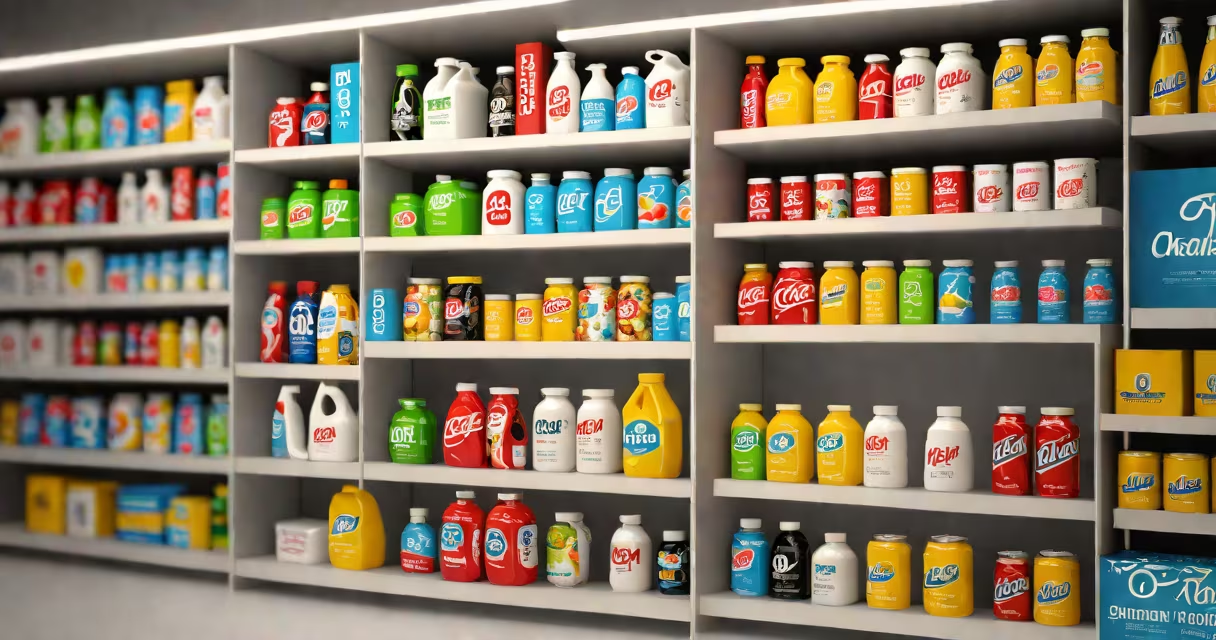
The meaning of trade marketing refers to the strategic activities businesses use to influence the placement, promotion, and sale of their products within retail channels. It focuses on securing shelf space, driving in-store visibility, and encouraging retailer cooperation to boost consumer purchases. This discipline operates between brand strategy and direct-to-consumer marketing.
Trade marketing targets intermediaries-retailers, wholesalers, distributors-not end consumers. Its goal is to ensure products appear prominently in stores, are priced competitively, and receive promotional support such as signage, demos, and special pricing. Unlike advertising that builds awareness, trade marketing drives action at the point of sale.
For example, a beverage company may offer a retailer a discount on bulk orders if they agree to feature the brand in a dedicated display near the checkout. The company provides branded shelf talkers, floor mats, and staff training materials-all part of trade marketing. These tactics increase product visibility and encourage impulse buys.
Trade marketing functions through coordinated efforts between manufacturers and retailers. The process begins with identifying key retail partners and understanding their sales cycles, inventory turnover rates, and customer demographics. Based on this, brands design tailored campaigns that align with both the retailer's goals and the brand's sales targets.
Key actions include setting trade promotions (e.g., BOGO offers), providing point-of-sale materials (POS), offering volume discounts, and running in-store events. These initiatives are often time-bound and tied to seasonal demand, new product launches, or competitive threats.
A 2023 report by the National Retail Federation found that 68% of retailers prioritize brands that provide consistent trade marketing support. This includes clear communication of campaign timelines, accurate forecast data, and timely delivery of promotional materials. Brands that fail to coordinate effectively risk being excluded from prime shelf space.
Trade marketing consists of four primary elements: trade promotions, POSM (point-of-sale materials), channel incentives, and retailer collaboration. Each serves a distinct role in influencing distribution and purchase behavior.
| Type | Description | Example |
|---|---|---|
| Trade Promotions | Short-term price reductions or incentives to drive volume during specific periods. | "Buy 2, Get 1 Free" during holiday season. |
| POSM | Physical materials placed in stores to attract attention and communicate value. | Branded shelf talkers, floor decals, display stands. |
| Channel Incentives | Financial rewards for achieving sales targets or meeting distribution goals. | Rebates for stocking 90% of SKUs in regional stores. |
| Collaborative Planning | Joint forecasting and inventory management with retailers. | Shared data dashboards to track stock levels and reorder points. |
Many brands use tiered trade marketing strategies based on retailer size and influence. For instance, national chains may receive customized campaigns with exclusive deals, while small independent stores get standardized kits. This ensures efficient resource allocation and maximizes return on investment.
Trade marketing is frequently mistaken for general sales promotion or consumer advertising. The key difference lies in the audience: trade marketing targets decision-makers within the retail supply chain, not shoppers. A commercial aired during prime-time TV is consumer advertising. A free display unit given to a grocery store manager to showcase a new snack line is trade marketing.
Another misunderstanding is that trade marketing is only about discounts. While price incentives are common, effective trade marketing combines visual merchandising, staff training, and data sharing. According to NielsenIQ, brands that integrate POSM with staff engagement see 23% higher sell-through rates compared to those relying solely on price cuts.
There's also confusion between trade marketing and channel marketing. Channel marketing broadly covers all distribution methods, including e-commerce and direct sales. Trade marketing specifically targets brick-and-mortar retail environments. A brand selling through Amazon uses channel marketing strategies, but if it runs a campaign to get its product featured in Walmart's in-store displays, that's trade marketing.
In 2022, Procter & Gamble launched a trade marketing initiative for Tide Pods in U.S. supermarkets. The objective was to increase trial among households with young children, who were less likely to buy pods due to safety concerns.
P&G partnered with major grocery chains to install child-safe display units at checkout areas. Each unit included a QR code linking to a video demonstrating safe storage practices. Stores received a 10% margin bonus for placing the unit in high-traffic zones. P&G also trained store associates to explain pod safety features during peak hours.
Results showed a 17% increase in pod sales within six weeks of rollout. Retailers reported higher foot traffic near the display zones. The campaign succeeded because it addressed retailer profitability (through margin bonuses), consumer safety (via education), and in-store visibility (through physical displays).
I once managed a trade marketing program for a regional health supplement brand. We discovered that despite strong consumer demand, our products weren't moving in local pharmacies. After auditing store layouts, we found that shelves were cluttered and our branding was buried under competing products.
We redesigned our POSM kit to include a magnetic shelf edge label that stood out against dark backgrounds. We also offered a 5% rebate to pharmacists who committed to rotating our product to the front of the shelf monthly. Within three months, our product's sell-through rate rose by 31%. The success came not from changing the product, but from improving its presence in the retail environment.
POSM meaning in marketing is a subset of trade marketing focused on physical materials placed in retail environments. These include banners, countertop displays, and branded floor graphics. They serve as silent salespeople, guiding shopper decisions without human interaction.
Finally, short trade meaning refers to the broader concept of exchange-buying and selling goods or services. Trade marketing is a specialized application of this principle, focusing on structured, data-driven exchanges between producers and retailers to maximize market penetration.
Trade marketing remains essential in markets where physical retail still dominates. As of 2023, 72% of packaged goods sales in North America occurred through traditional retail channels, according to Statista. That makes trade marketing a critical lever for brand growth, especially for products requiring in-store trial or visual differentiation.